MMDCEs tasked to secure land for waste transfer stations
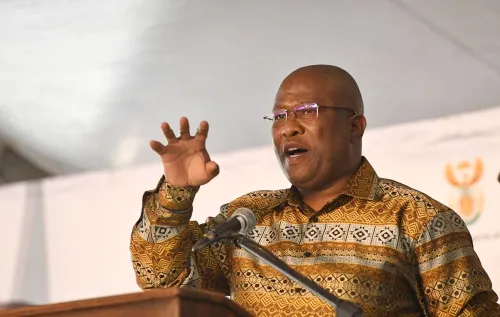
The Minister of Local Government, Chieftaincy and Religious Affairs, Mr Mahama Ayariga, has directed all Metropolitan, Municipal and District Chief Executives (MMDCEs) to identify one-acre plots of land in their respective jurisdictions for the construction of waste transfer stations within 30 days. The directive forms part of government’s efforts to improve solid waste management and … The post…

The Minister of Local Government, Chieftaincy and Religious Affairs, Mr Mahama Ayariga, has ordered all Metropolitan, Municipal and District Chief Executives (MMDCEs) to designate one-acre plots of land within their districts for the building of waste transfer stations in the next 30 days. This directive is part of the government's initiative to enhance solid waste management and tackle issues related to waste collection, transportation, and disposal nationwide.
At a National Sanitation Day event organized by the ministry and held by the Accra Metropolitan Assembly (AMA) in Accra, Mr Ayariga emphasized that the directive applied to all metropolitan, municipal, and district assemblies. He highlighted that priority should be placed on major urban centers and regional capitals like Greater Accra, Greater Kumasi, and Sekondi-Takoradi, where waste transfer stations could enhance the efficiency of waste management operations.
Mr Ayariga instructed the assemblies to utilize the 30-day timeframe to identify suitable land parcels capable of accommodating the facilities and to facilitate the development of a robust waste transfer system. He explained that waste transfer stations act as intermediary points where waste collected from communities is temporarily consolidated before being transported in larger quantities to final disposal or treatment sites.
This system, according to Mr Ayariga, is projected to alleviate pressure on waste collection operations, improve transportation efficiency, and minimize unauthorized dumping. Mr Ayariga stressed that improving sanitation necessitates a collaborative approach involving the central government, local authorities, private waste management firms, and residents.
He urged the MMDCEs to handle the directive with urgency and ensure the land identification process is carried out in consultation with relevant stakeholders and local communities. The minister also highlighted the importance of ongoing public involvement in sanitation activities, stating that government efforts alone would be insufficient if citizens continued to dispose of waste recklessly.
He called upon Ghanaians to alter their attitudes towards sanitation and assume greater responsibility for maintaining cleanliness in their neighborhoods. The National Sanitation Day activity, part of the broader World Cleanup Day observance, gathered government officials, local authorities, sanitation professionals, community members, and various stakeholders to engage in clean-up activities across Accra.
World Cleanup Day, celebrated globally, aims to mobilize communities to combat littering and poor waste management while promoting environmental stewardship. Mr Ayariga affirmed the government's commitment to strengthening sanitation systems across the country and ensuring assemblies possess the necessary infrastructure to manage waste effectively.
He stressed the significance of identifying strategically located sites for waste transfer stations, which would facilitate easy access for collection vehicles while minimizing disruptions to surrounding neighborhoods. The minister also called for stricter enforcement of sanitation regulations and heightened collaboration among stakeholders to maintain the progress achieved through national clean-up initiatives.
Written by urgent.news from Ghanaian Times's reporting — not their text. Machine-written — may contain errors; check the original before relying on it.