MISSING VOICES: Industry dominated at Nedlac’s sugary drinks tax discussions, new report finds
Nedlac’s Health Promotion Levy talks excluded community voices, a study has found, raising questions about transparency, evidence and the influence of business in public health policymaking.
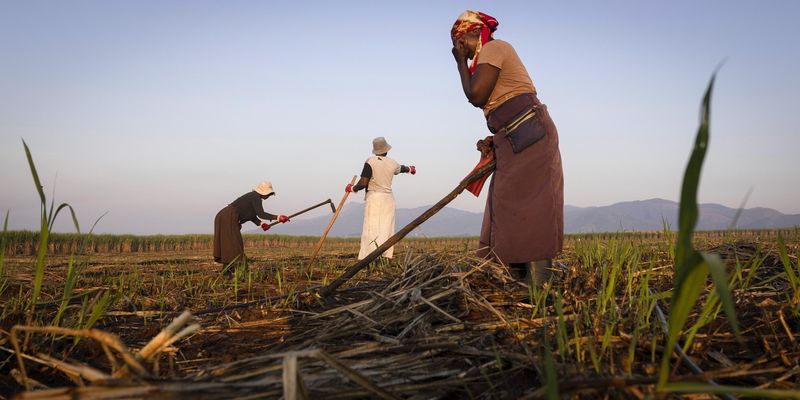
A new study reveals that community voices were notably absent during discussions surrounding South Africa's Health Promotion Levy, which aims to reduce the consumption of sugar-sweetened beverages. The Levy, introduced in 2018, targets an increase in pricing to 20% to curb the health risks associated with such drinks. The World Health Organization recommends this increase to curb consumption by 20%, citing the significant health concerns associated with frequent intake of sugar-sweetened beverages, including type 2 diabetes, heart disease, metabolic syndrome, and fatty liver disease.
Researchers from PRICELESS SA – SAMRC/Wits Centre for Health Economics and Decision Science and the Wits School of Public Health conducted an analysis of 94 documents obtained via a Promotion of Access to Information Act request. Their findings show that community representatives were notably absent from all deliberations on the levy.
Darshen Naidoo, lead author of the paper and a researcher in the Law and Policy team at PRICELESS SA, emphasized that this absence undermines the principle of representation and diversity of interests that the council is designed to foster.
Naidoo explained that all four constituencies within Nedlac, which includes the Development Chamber where community interests are primarily represented, should have the chance to engage in matters discussed under the council. However, Nedlac maintains that the absence of community representatives does not necessarily violate the act or the constitution since the Health Promotion Levy discussions were confined to the Public Finance and Monetary Policy Chamber, which focuses on fiscal and monetary matters.
They argue that community representation is primarily ensured through the Development Chamber, which has its own mandate, and noted that the constitution allows for designated representatives from each constituency to be included in discussions.
Naidoo's study highlights a concern about the potential dominance of economic and business interests over public health and community concerns in the policymaking process. The researchers urge for more inclusive discussions that consider the broader spectrum of interests represented by the four constituencies to ensure a more balanced and transparent policy-making process.
Written by urgent.news from Daily Maverick's reporting — not their text. Machine-written — may contain errors; check the original before relying on it.