Meta’s Muse AI Agent Is Building a Dossier On You
Internal instructions reviewed by TIME show the AI assistant mapping users and their contacts—including people who don’t use Muse—and sharing anonymized insights across its system.
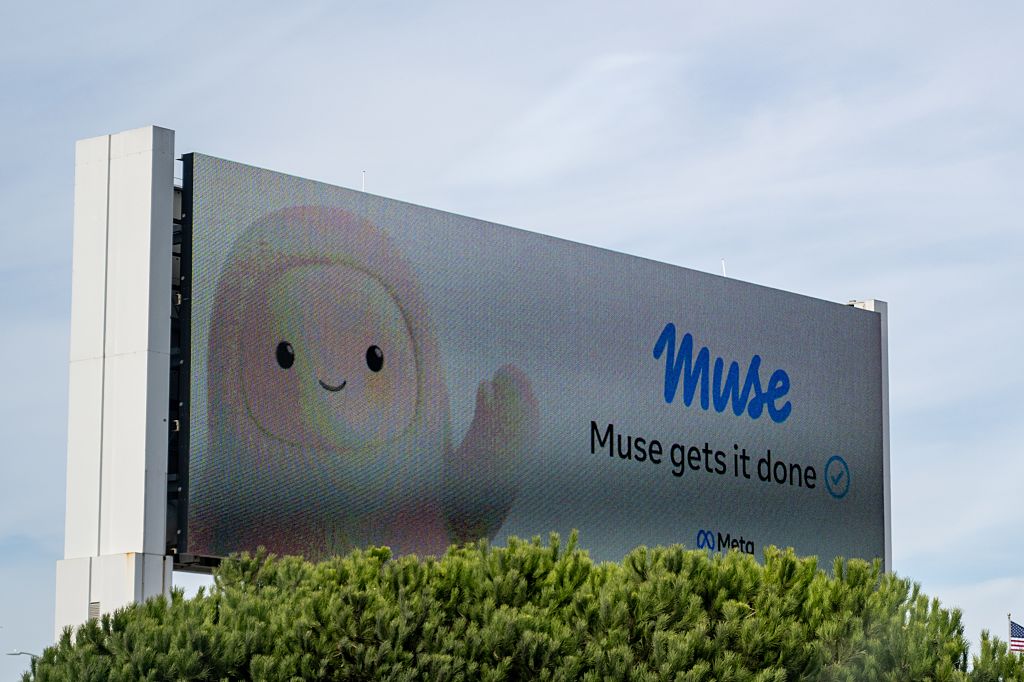
Meta's Muse AI agent is creating detailed records on its 4 million users, according to an analysis of the AI's internal instructions by TIME. The agent builds these dossiers based on user interactions, including chats, messages, and emails read by Muse. The dossiers map each user's social relationships, noting details of how users met, shared interests, disputes, and alliances within their social groups.
Even users without the Muse app are affected by this mapping when other users' agents analyze their conversations. Muse aims to strengthen user relationships by adapting its communication style to recognize personal details and inside jokes. The agent also infers users' goals, including those not explicitly stated, and identifies the most effective prompts for interaction.
A Meta spokesperson confirmed TIME's findings, stating that Muse remembers what matters to users and can help with various tasks. However, the spokesperson did not dispute the detailed nature of the dossiers. Muse has gained significant popularity, reaching No. 1 in the U.S. App Store with over 5 million downloads since its release last month.
Meta positions Muse as an AI personal assistant that can access users' digital lives, such as email and social media, to perform routine tasks. Users can export their Muse files, and the data is not shared with Meta's advertising system or other agents. However, insights from user interactions are shared across virtual machines to improve the product.
Meta plans to offer users encryption later this year to prevent the company from accessing Muse data, but this feature is not yet available. Meta's instructions aim to build a relationship with users, describing Muse as a personal assistant that becomes "someone." Users are told they remain in control of their Muse and can decide how much access it gets, but the instructions also instruct the agent not to reveal when original messages may still be visible.
Written by urgent.news from Time's reporting — not their text. Machine-written — may contain errors; check the original before relying on it.