‘Maharashtra Has Emerged As Hub For Urban Maoist Networks’: Govt Defends MSPSA In Bombay HC
Mumbai, October 7, 2026: The Maharashtra government has told the Bombay High Court that the growing presence of urban Maoist networks in the State necessitated a special legal framework to tackle unlawful and subversive activities, while defending the constitutional validity of the Maharashtra Special Public Security Act (MSPSA), 2024. In an affidavit filed through Home Department Deputy…
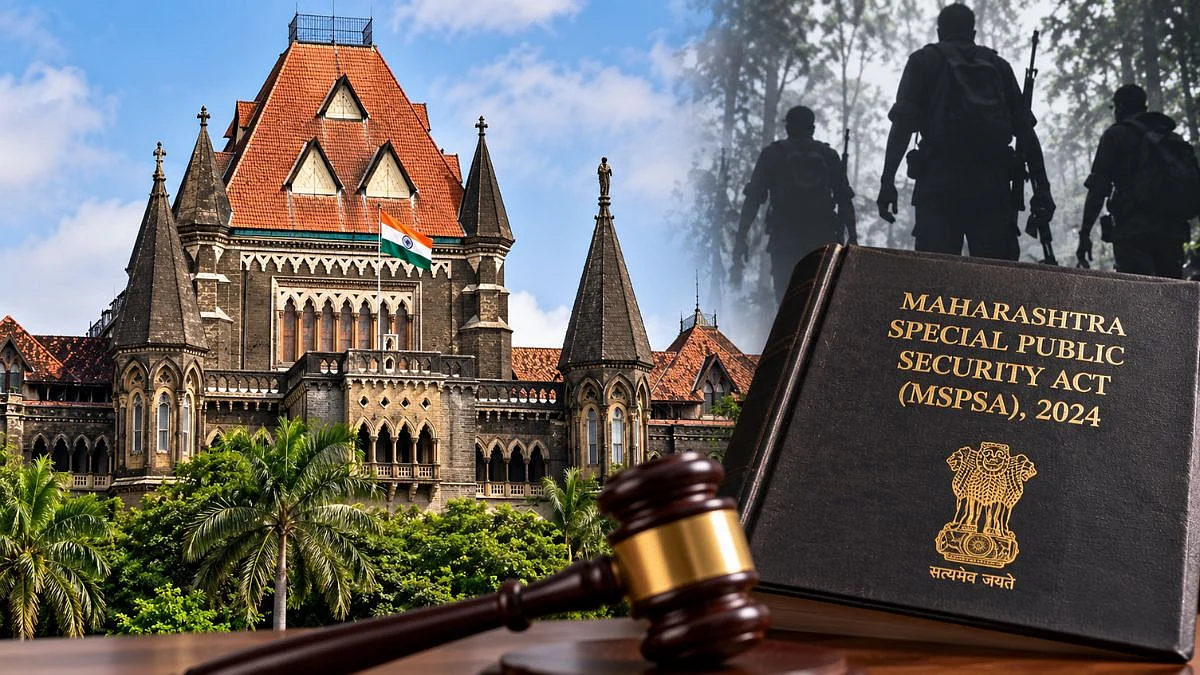
Mumbai, October 7, 2026: The Maharashtra government has defended the constitutionality of the Maharashtra Special Public Security Act (MSPSA), 2024, in response to a petition challenging its legal standing before the Bombay High Court. The Act, according to the government, was enacted to address the burgeoning presence of urban Maoist networks in the state, which were deemed to necessitate a special legal framework to combat unlawful and subversive activities.
The government's affidavit, filed through Deputy Secretary Pritamkumar Jawale of the Home Department, pointed to data from the Ministry of Home Affairs indicating that Maharashtra had become the epicenter for urban Maoist activities, hosting the highest number of active frontal organizations among all states in India. The affidavit noted that there were 64 such organizations operating within the state, a figure that the government claimed was unprecedented.
Responding to the petition filed by the Indian National Congress, Communist Party of India, and various social activists, the government contended that the petitioners were devoid of a direct legal injury or personal grievance, thereby failing to establish their locus standi. The affidavit stated, "A person cannot file a petition challenging constitutional validity for his curiosity or for academic exercise and must have a real grievance and legal injury to maintain a petition."
The Maharashtra Special Public Security Act, 2024, was aimed at providing a robust legal framework to prevent and tackle unlawful, subversive, and extremist activities, the government argued. The legislation aimed to strike a balance between fundamental liberties and the state's duty to maintain public order and national integrity.
The government refuted allegations of the law's enactment lacking adequate public consultation, citing that a Joint Committee had thoroughly examined over 15,000 objections and suggestions before finalizing the legislation.
The government defended the statute's competence to be enacted, asserting that it falls under the category of "Public Order" as per Entry 1 of List II of the Seventh Schedule to the Constitution. Addressing concerns over potential misuse against individuals or organizations, the government highlighted safeguards built into the legislation.
A declaration prohibiting an organization would only take effect after confirmation by an Advisory Board led by a sitting or retired High Court judge. An aggrieved party could challenge such a declaration before the High Court through a revision petition, the affidavit confirmed.
The government deemed the challenge against the MSPSA as "devoid of any substance and merits," urging the High Court to dismiss the petition.
Written by urgent.news from Free Press Journal's reporting — not their text. Machine-written — may contain errors; check the original before relying on it.