Lunar Grounding Challenge
As an astronaut traverses the lunar South Pole, tribocharging from walking on the lunar surface and plasma charging from the ambient plasma generate electric charge on the spacesuit. This problem is severely compounded when entering lunar shadows and Permanently Shadowed Regions (PSRs). In these dark zones, the spacesuit can buildup a substantial negative potential due […]
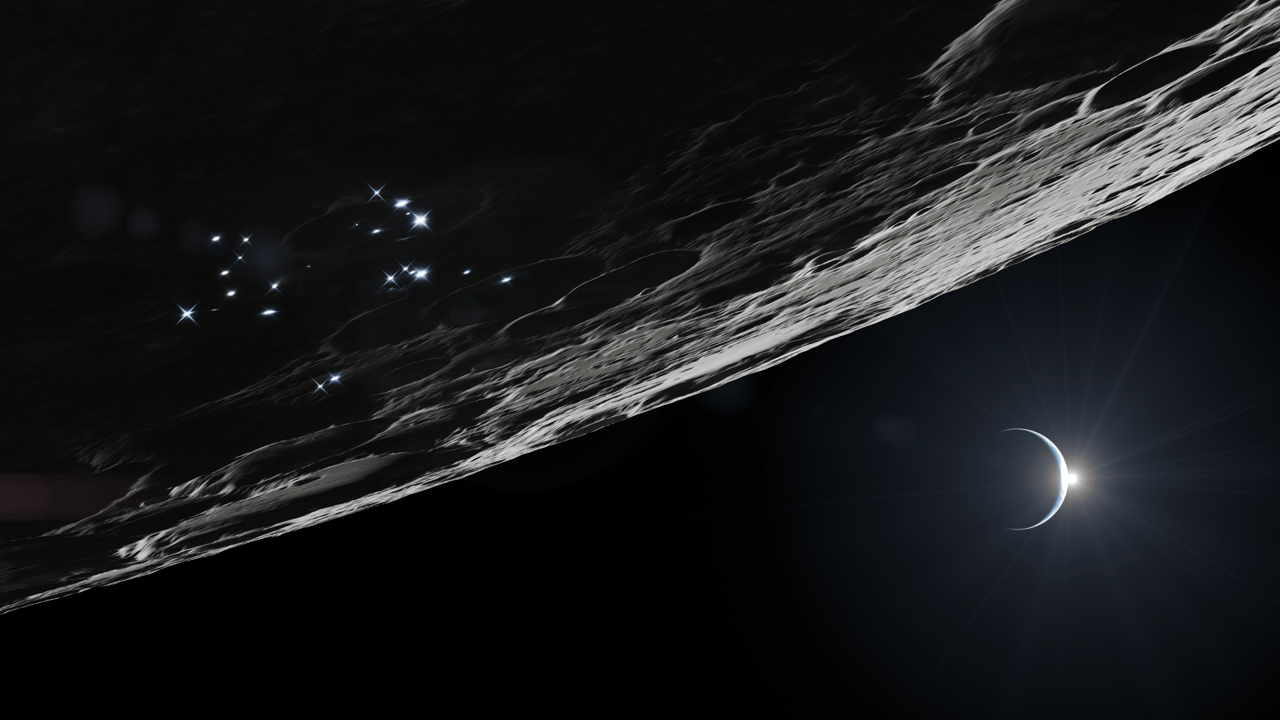
NASA is currently working on preparations for upcoming moonwalk simulations, including underwater training, as they seek to address a unique challenge posed by the lunar South Pole environment. As astronauts traverse the lunar surface, they generate electric charge through tribocharging from walking and plasma charging from the surrounding plasma.
This charge buildup can become particularly problematic when astronauts enter shadowed areas, known as Permanently Shadowed Regions (PSRs), where there is no ambient ion flux or photoelectron emission to counterbalance the charge.
The main concern arises when an astronaut returns to their spacecraft. Since the lunar surface lacks a natural mechanism to dissipate the accumulated charge, the astronaut could become a highly charged object, akin to a walking capacitor. In the illuminated regions of the lunar surface, landers carry a slight positive electrical potential.
When a negatively charged astronaut approaches the vehicle, the significant voltage difference can trigger a dangerous electrostatic discharge, or spark. This discharge poses risks such as damaging suit layers and electronics, disrupting the suit's oxygen-rich environment, and delivering harmful electrical shocks to the crew.
To mitigate this risk, NASA has launched the Lunar Grounding Challenge. The challenge seeks innovative designs and operational solutions for an Electrostatic Discharge (ESD) mitigation system. This system aims to safely discharge a suited astronaut from high triboelectric charge buildup during lunar surface extravehicular activities (EVAs) near the South Pole.
The goal is to neutralize the astronaut in a safe and timely manner before they make direct contact with the lander, thereby protecting critical suit components, ensuring a stable environment inside the suit, and preventing hazardous electrical shocks to the crew.
The challenge offers up to $150,000 in prizes and provides critical funding for developing cutting-edge ESD mitigation technologies. NASA has set the submission deadline for proposals at January 15, 2027, inviting researchers and innovators to contribute their best ideas to this important space exploration initiative. For more information, interested parties can visit the provided link.
Written by urgent.news from NASA's reporting — not their text. Machine-written — may contain errors; check the original before relying on it.
This story
This is one outlet's version. Read the fullest account.
- Lunar Grounding Challenge nasa.gov