Luftfahrt: Fluggesellschaften fordern Subventionen für innerdeutsche Flüge
Inlandsflüge sind in Deutschland nach Corona teuer und deutlich seltener geworden. Die Branche ruft nach staatlichem Geld, um einzelne Regionen weiterhin anzubinden.
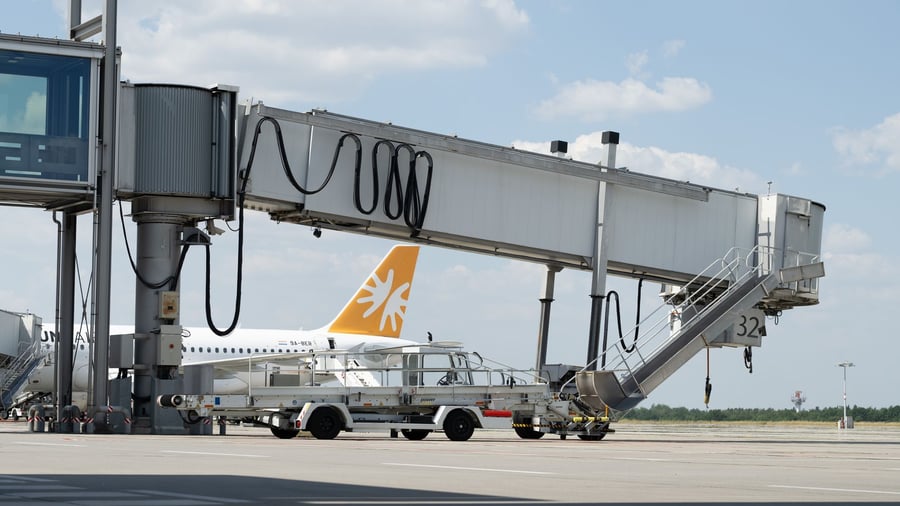
In Germany, regional airlines are calling for government subsidies to make inner-German flights economically viable. The Bundesverband der Deutschen Fluggesellschaften (BDF), a national airlines association, has proposed that individual regions and states should subsidize specific routes to improve connections between regional economies and major international hubs.
While the BDF did not specify particular routes, it reminded of a recent discussion in Bremen when Lufthansa halted its Frankfurt connection. Dresden and Münster/Osnabrück also face challenges to their international connectivity, according to the BDF.
The high cost of kerosene and heavy state fees have made many passenger flights unprofitable at smaller and mid-sized German airports. The BDF cited EU Commission data showing there are currently 165 subsidized routes in the European Union, primarily in remote regions and on islands. France, Spain, Italy, and Greece have been the biggest supporters of such flights. Germany's last subsidized route, Erfurt to Munich, was discontinued in December 2011.
Inland flights are often exempted from the "Public Service Obligation" (PSO) bidding process and subsidized by the government. However, Linz to Frankfurt remains partially funded by Austrian taxpayers. The industry notes that the number of seats offered on inner-German routes has dropped by nearly half compared to pre-COVID-19 times.
The Association claims that steeply rising state fees are a major reason for the slow recovery of air travel in Germany. The government recently largely reversed a recent increase in the aviation tax.
With 450 flight connections discontinued, regional locations are losing their links to larger economic centers.
Written by urgent.news from Handelsblatt's reporting — not their text. Machine-written — may contain errors; check the original before relying on it.