Kommentar: Das Ende der deutschen Naivität in der China-Politik
Unter der Führung von Kanzler Friedrich Merz hat die Bundesregierung eine ökonomische Zeitenwende eingeleitet. Das ist nicht ohne Risiko, aber alternativlos.
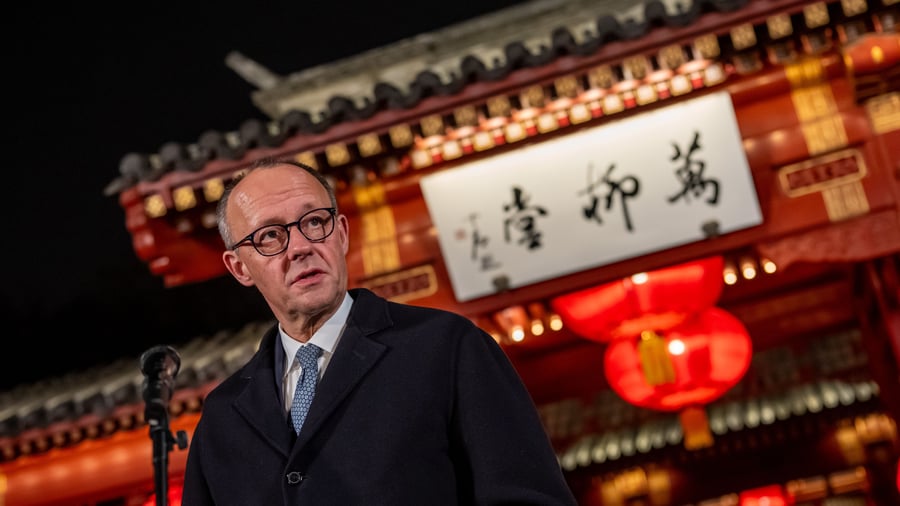
A significant transformation is quietly unfolding in German foreign policy towards China, marking a shift away from the country's past naivete. Chancellor Friedrich Merz has spearheaded a substantial change in the nation's economic strategy, effectively ending the bureaucratic inertia that has long plagued Berlin's approach to China. This shift, while hardly celebrated, is of immense importance, underscoring the need for a more robust and assertive stance against Beijing.
Despite internal political squabbles and peculiar preoccupations with seemingly trivial matters like a sugar tax, Merz's bold move in China policy is commendable. For the first time in recent memory, the German government is receiving recognition for its decisive actions. Both Germany and France have jointly articulated a new position in China policy, one that goes beyond mere compromise.
They are prepared to grant the EU Commission extensive powers and showcase tools that could effectively isolate China from the EU market with the press of a button.
This radical change in German-foreign policy towards China would have been unthinkable just three years ago. The once unthinkable is now becoming a reality, signaling a major shift in the nation's approach to one of its most significant global partners.
Written by urgent.news from Handelsblatt's reporting — not their text. Machine-written — may contain errors; check the original before relying on it.