JB-S’pore RTS Link: Seems straightforward but faces complex engineering challenges, says RTSO CEO
He said that wet weather adds another challenge.
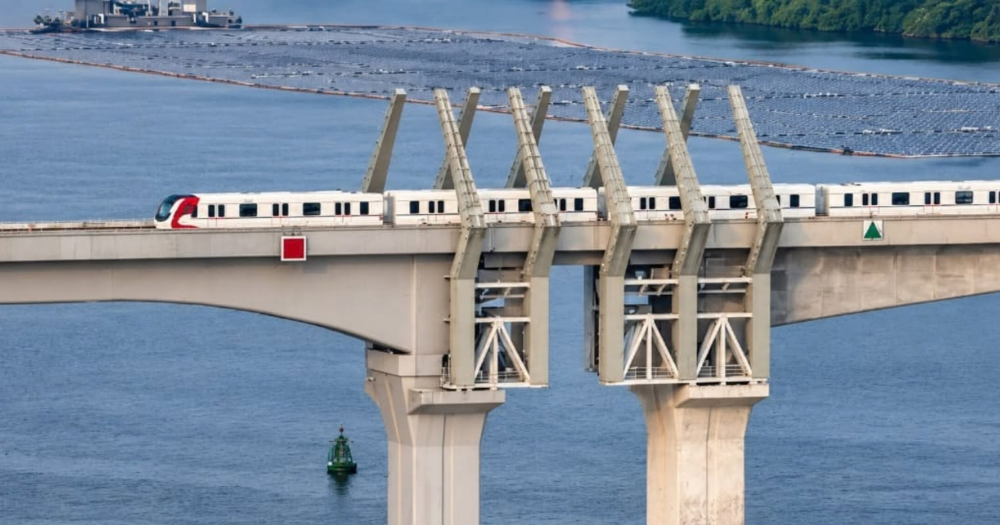
Marzuki Ariffin, CEO of RTS Operations Pte Ltd, shed light on the engineering challenges faced by the Johor Bahru-Singapore Rapid Transit System (RTS) Link. Despite the project's apparent simplicity, with only two stations, the technical hurdles are significant. A key issue is the viaduct's 3 percent gradient, requiring trains to descend from the elevated bridge to the ground level.
This presents additional design considerations to maintain safe speeds and ensure smooth stops, involving intricate coordination of track design, braking, and signalling systems.
Another obstacle comes from wet weather, which reduces friction and impacts train acceleration and braking. Marzuki emphasized that addressing these challenges demands considerable design thinking, testing, and team collaboration. The CEO expressed gratitude to the partners and stakeholders, including Singapore's Land Transport Authority (LTA) and Malaysia's Land Public Transport Agency (APAD).
Unfortunately, the RTS Link project has faced multiple delays over the past decade. The opening, initially planned for the end of December 2026, has been postponed to February 2027. This extension is necessary to obtain independent safety certification and secure regulatory approvals from both Singapore and Malaysia authorities. The RTS project's history is marked by repeated delays and restarts, with discussions dating back to 2010 and final agreement in 2018.
Written by urgent.news from Mothership's reporting — not their text. Machine-written — may contain errors; check the original before relying on it.