India-China thaw faces major economic tests
India is working to emerge from China’s shadow while improving diplomatic relations, but the more the world’s most populous country pushes, the more apparent its dependence on its wealthier neighbor becomes.
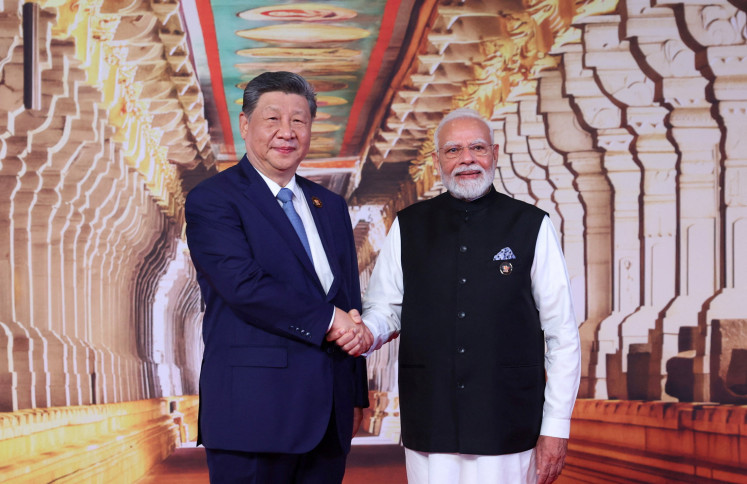
Tensions between India and China have eased recently, with both nations working to mend ties after a long period of conflict. However, this burgeoning relationship faces significant economic challenges. India, the world's most populous nation, relies heavily on China for various goods, with the country accounting for 16.3% of global merchandise exports in 2025 compared to India's 1.7%.
The trade imbalance is staggering, as India imported goods worth $116 billion more from China than it exported in the same period. This reliance on Chinese imports is evident in India's manufacturing sectors, which heavily depend on intermediate goods such as electrical and electronic equipment, machinery, and chemicals, all largely sourced from China.
This dependence is further complicated by Beijing's imposition of export licensing requirements on seven heavy rare earths, exposing India's vulnerabilities in key sectors like automotive and defense manufacturing. While India has taken steps to address the imbalance, such as relaxing restrictions on foreign direct investment from Chinese companies and announcing fast-track clearance for investment proposals in five high-technology areas, these measures seem insufficient to transform the one-sided relationship.
The booming Indian electronics industry, which has been driven by components sourced from China, still relies on imported inputs, with smartphone manufacturing being only 18-20% locally sourced. China's protectionist policies, particularly in critical technologies like electric vehicles, batteries, and solar energy, make it difficult for Indian firms to gain access to the advanced technologies they need.
Additionally, the longstanding dispute over the Himalayan border adds another layer of complexity to the relationship. While both countries have pledged to find a fair and mutually acceptable solution, a final resolution remains elusive. Thus, despite renewed engagement, India's challenge is not merely to import less from China, but to build its own domestic capabilities and reduce its dependence on the neighboring nation.
Written by urgent.news from The Jakarta Post's reporting — not their text. Machine-written — may contain errors; check the original before relying on it.