Human interaction will remain vital to learning despite rapid rise of AI, says Education Minister
Teachers still have a crucial role to play in schools despite the rapid advance of artificial intelligence, the Minister of Education said. Sarah Al Amiri made her comments at the Education First Forum in Abu Dhabi, where she said that while AI will be used purposefully, there can be no replacement for human interaction. “Technology and artificial intelligence are tools we employ consciously,…
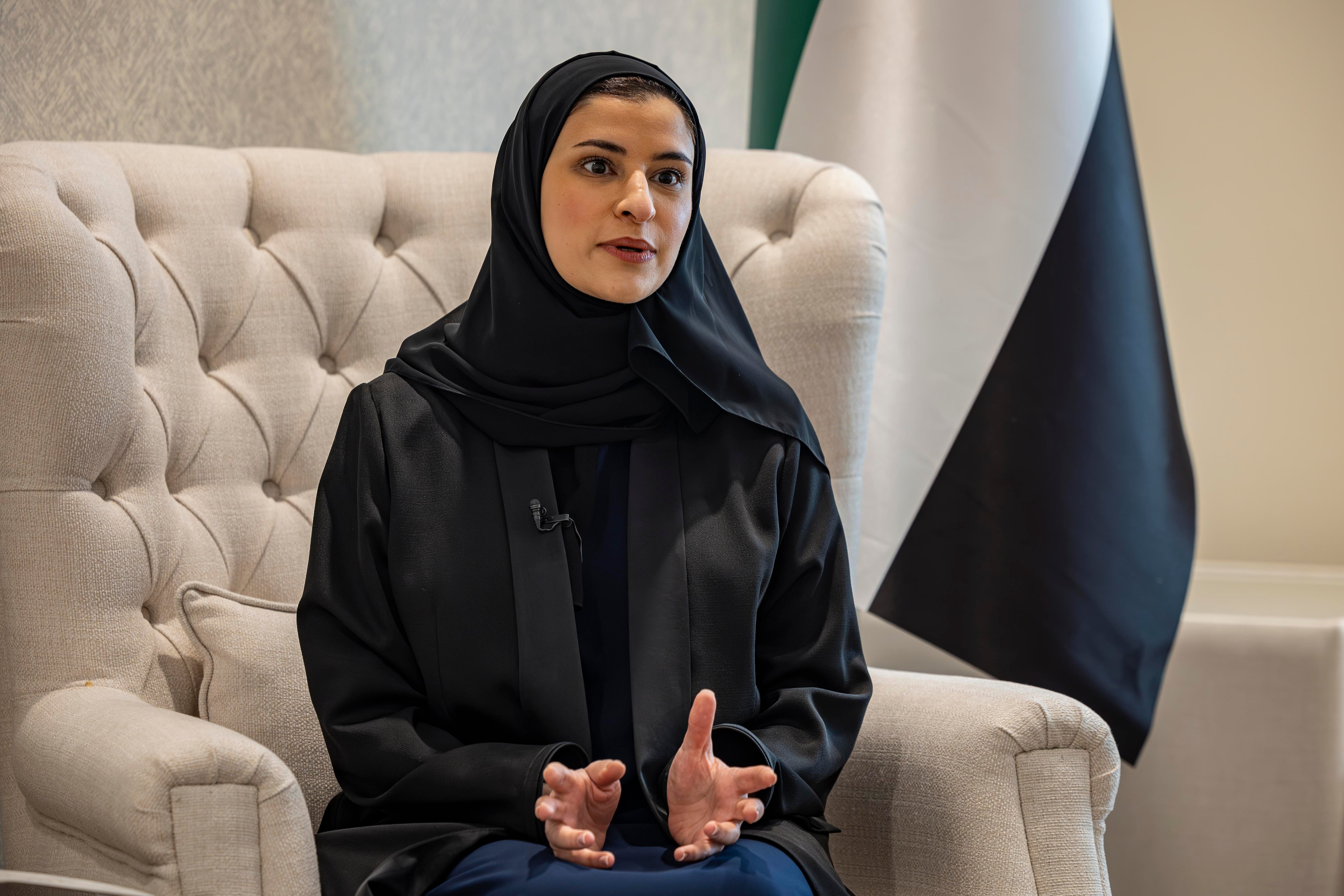
Despite the rapid advancement of artificial intelligence, Minister of Education Sarah Al Amiri stressed that human interaction will remain essential to learning in schools. AI should be employed purposefully as a tool, ensuring it does not hinder independent thought or human interaction. She emphasized that no educational transformation can take place without a highly capable teacher who transforms the curriculum into a learning experience, discovers students' talents, builds their confidence, instills values, and teaches them how to think, learn, and relearn.
Prof Ahmed Ali Alraeesi, vice chancellor of United Arab Emirates University, explained that AI in education is being constantly re-evaluated and that the university has introduced a compulsory AI course for every student before graduation in all colleges. They have also aligned all academic programmes with the job market and global trends to equip students with the necessary skills.
Prof David Pedder, dean of Emirates College for Advanced Education, which specializes in teacher training, prioritizes AI in human-centric ways, using it as a source of personalized formative and summative feedback on learners and teachers developing ideas. Prof Pedder stressed that integrating AI in every context of learning, teaching, and leading must be human-centric, with the human learner at the center of the enterprise.
At the Education First Forum in Abu Dhabi, Prof Pedder introduced the "Nama" initiative, which puts families at the heart of learning and well-being, promoting a collaborative "ecosystem approach." He emphasized the need for a wide range of expertise from strategic stakeholders and various community members, including parents, children, policymakers, educators, educational psychologists, and classroom assistants, to address complex educational challenges collectively.
Written by urgent.news from The National UAE's reporting — not their text. Machine-written — may contain errors; check the original before relying on it.