How to protect yourself against cybersecurity threats
In light of the influx of recent cyberattacks across Japan, here's what users can do to limit their own vulnerabilities.
Cybersecurity threats have become increasingly sophisticated as companies collect personal information from users. Fraudsters employ tactics like spoofing, deepfakes, and AI agents to exploit security vulnerabilities and steal sensitive data, including login credentials, credit card numbers, and identification documents. In Japan, the Digital Agency reported that scammers have targeted not only basic identifying information like names, addresses, phone numbers, and email addresses, but also more sensitive data such as account login information, passwords, credit card numbers, and even drivers' licenses.
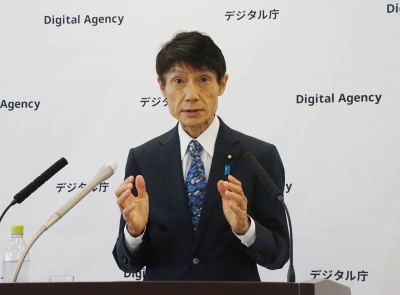
To safeguard against these risks, the Digital Transformation Minister of Japan, Toshiharu Furukawa, recommended three essential measures for citizens. First, users should create unique passwords for each online service and avoid reusing passwords across multiple accounts. Reusing passwords increases the risk of unauthorized access to multiple accounts if a single service is compromised.
Secondly, users should set up multifactor authentication (MFA), which adds an extra layer of security by requiring additional verification methods, such as approving a login through a smartphone prompt or entering a one-time password. MFA helps prevent unauthorized logins even if passwords are compromised. Lastly, users must exercise caution when encountering suspicious emails and social media messages.
Phishing incidents, where scam artists impersonate legitimate companies or government agencies, have been on the rise. According to a 2025 survey by the National Police Agency, 40.6% of companies, educational institutions, medical institutions, local governments, independent administrative agencies, and special corporations reported receiving suspicious emails in the previous year, with phishing being the most common type of cyberattack reported.
Furukawa emphasized that cyberattack techniques are constantly evolving, but implementing basic security measures can significantly reduce the risk of falling victim to cyber threats. He urged individuals to take responsibility for protecting their own personal information.
Written by urgent.news from Japan Times's reporting — not their text. Machine-written — may contain errors; check the original before relying on it.