How Singapore’s local cafes compete with Chinese coffee giant Luckin
When Chinese coffee giant Luckin Coffee moved into the unit next to his neighbourhood cafe in Singapore, Folk Yard owner Chew Yit Shan grew nervous. Luckin launched with an aggressive promotional deal of S$1 (78 US cents) per cup, served in just two minutes. In the first few months following its arrival, Chew saw sales at his independent cafe drop by 15 per cent. But once the initial hype had…
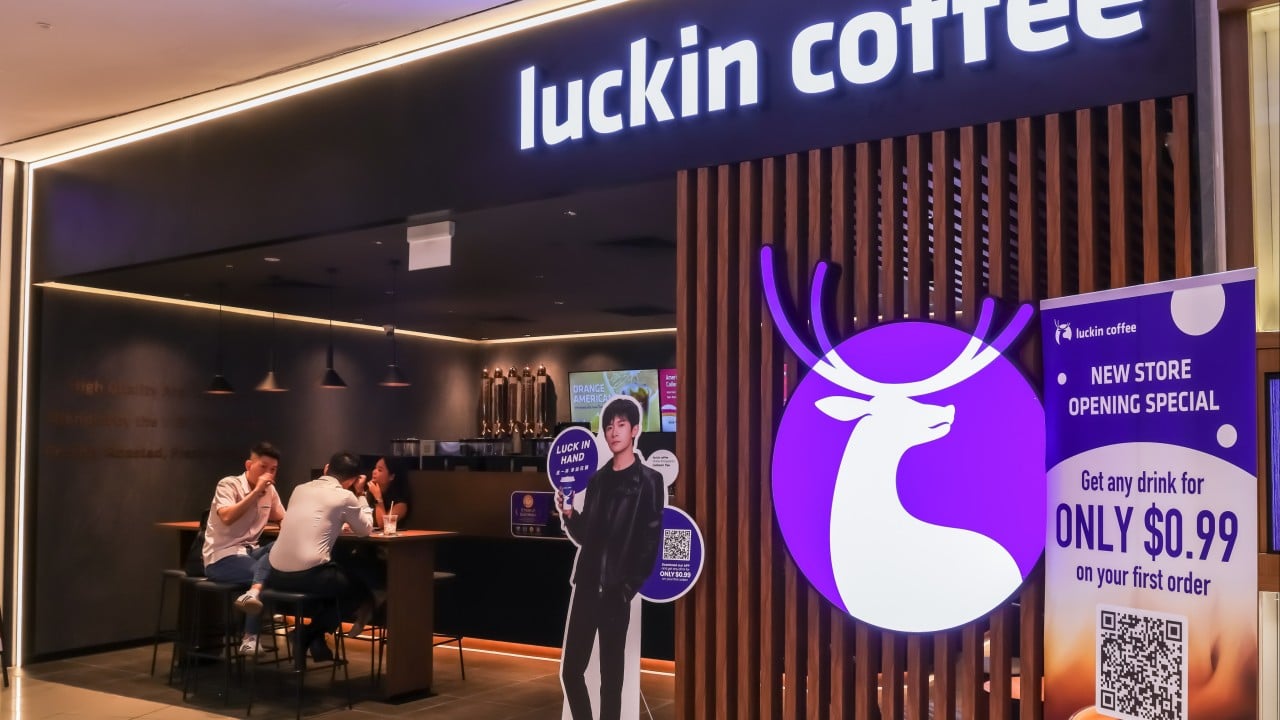
When Chinese coffee chain Luckin Coffee established its presence next to an independent Singaporean café called Folk Yard, owner Chew Yit Shan grew concerned. Luckin entered the market with an aggressive promotional deal of S$1 (78 US cents) per cup, served within two minutes. During the initial months, Chew noticed a drop in sales at Folk Yard by 15 percent.
However, once the initial buzz faded and the promotions ended, Chew observed regular customers returning, leading to a bounce back in coffee sales. Chew emphasized the importance of individuality and interaction in attracting and retaining customers, stating that their success lies in the personal touch and familiarity that customers develop over time.
Unlike Luckin, Chew believed that Chinese brands succeeded due to their vast purchasing power and economies of scale. He argued that replicating their success at a similar scale was impossible. Luckin reported hitting its 100th store milestone in Singapore just three years after its debut, with plans to open six more outlets this year.
The brand's mobile app, enabling customers to pre-order and pay before picking up their coffee, has over 1.9 million users in Singapore. Globally, Luckin operates over 36,000 stores, with more than 150 in Malaysia and over 20 in New York.
Consumers like Satish Kumar, a civil servant, became loyal to Luckin after trying their coconut velvet latte two years ago. Kumar found the taste appealing and appreciated the variety of flavors and ease of ordering through their app. Luckin's rapid expansion in Singapore, capturing roughly 24 percent of the local coffee market, has raised competition amongst specialty coffee shops.
While Starbucks holds about 34 percent of the market, Luckin's arrival has heightened competition in terms of convenience, product variety, pricing, and speed of introducing new products.
Analysts such as Nathanael Lim from Euromonitor International and Seshan Ramaswami from Singapore Management University emphasized Luckin's advantages in supply chain sourcing, operational efficiency, and digital ordering. Luckin's stores have limited seating to reduce overheads and staffing needs, allowing them to analyze customer data efficiently through their app. Ramaswami suggested that Luckin's success could force other chains to modify their offerings or close stores near Luckin's outlets.
However, local independent café owners like Denise Lum from Maxi Coffee Bar see themselves as a niche market catering to a different consumer base. Lum emphasized the importance of building a unique customer experience and community rather than competing with Luckin's scale. Luckin's deep-pocketed nature enables them to outbid local competitors for retail spaces, reinvent products, and emphasize culture, community, and corporate social responsibility, making them a formidable force in overseas markets.
Written by urgent.news from South China Morning Post's reporting — not their text. Machine-written — may contain errors; check the original before relying on it.