How a 1965 Moscow protest demanding that the Soviet government obey its own laws helped launch the USSR’s dissident movement
Sixty years ago, a protest in Moscow received almost no coverage in Soviet newspapers but helped launch the human rights movement. Several dozen people gathered in Pushkin Square to demand that the state abide by its own Constitution. They sought neither a change of government nor political reforms. The organizer, mathematician and poet Alexander Volpin, decided to remind the authorities…
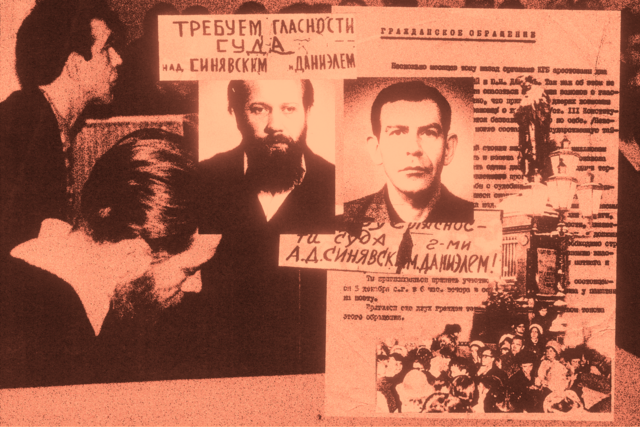
In 1965, a small group of protestors gathered in Moscow's Pushkin Square to voice their demand for the Soviet government to adhere to its own Constitution. The demonstration, organized by mathematician and poet Alexander Volpin, aimed to highlight citizens' right to an open trial. Within minutes, the authorities dispersed the gathering, but this act of defiance marked the beginning of a new era for the Soviet dissident movement.
Soviet authorities had maintained a strict suppression of public demonstrations since the revolution, often meting out severe punishments for those who dared to defy the regime. The Bolsheviks' first attempt at dispersing a peaceful protest in Petrograd in 1918 resulted in dozens of deaths and injuries, setting a precedent for the violent response to any form of dissent.
Even after Stalin's death, the political climate gradually shifted during the Thaw, allowing spaces for cultural expression and debate. However, these newfound freedoms were tightly controlled and often short-lived. The Novocherkassk massacre of June 1962 demonstrated that any mass protest could still result in brutal force from the government.
By 1965, a new wave of dissent emerged, primarily driven by the literary group SMOG. Comprised of young poets who sought creative freedom outside of Soviet censorship, SMOG's members faced expulsion from universities and other pressures. This exemplified the delicate balance between the desire for change and the government's determination to maintain control.
The first major public trial of writers, the Sinyavsky–Daniel case, underscored the risks associated with subversive literature and set the stage for the growing dissident movement in the USSR.
Written by urgent.news from Meduza (English)'s reporting — not their text. Machine-written — may contain errors; check the original before relying on it.