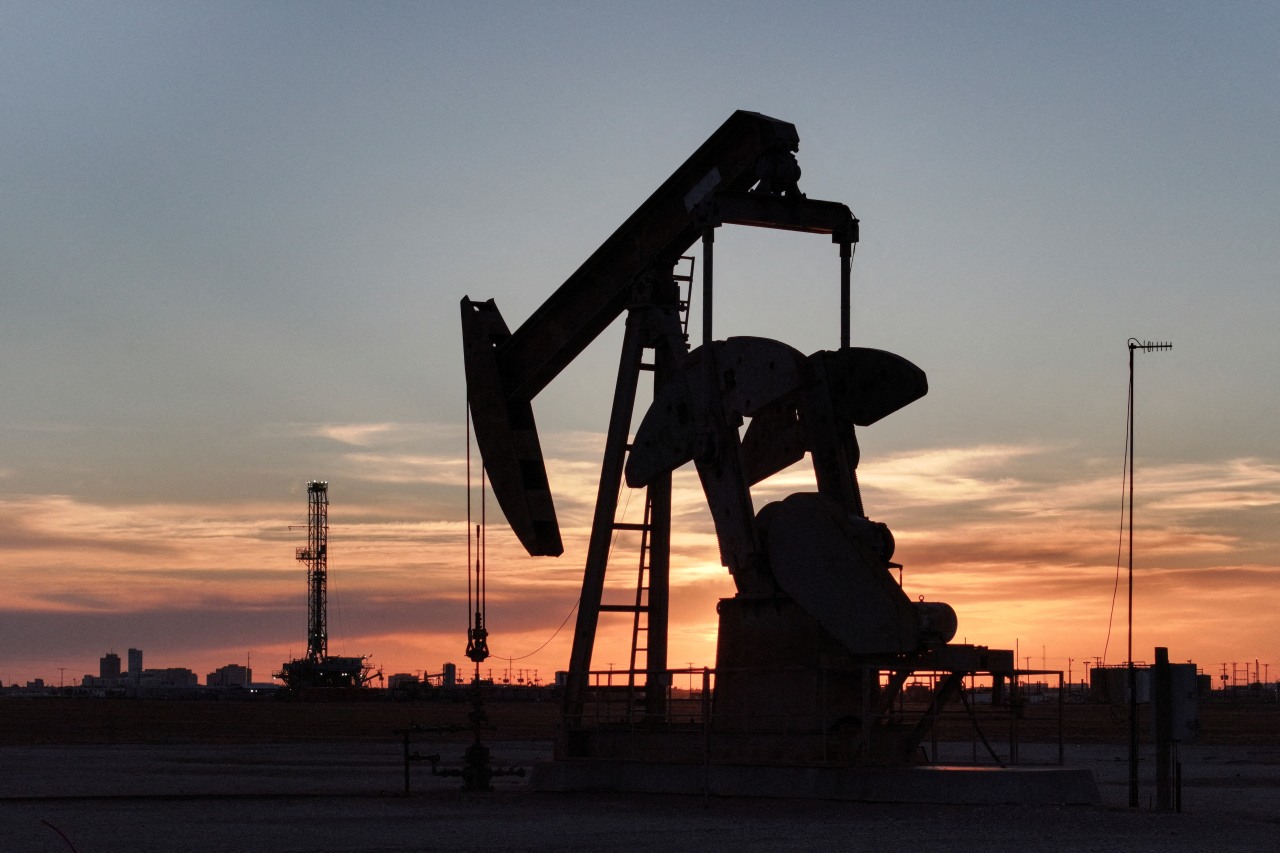
Gulf oil exports hit pre-war levels. Why aren’t prices falling?
Gulf oil exports hit pre-war levels. Why prices high?
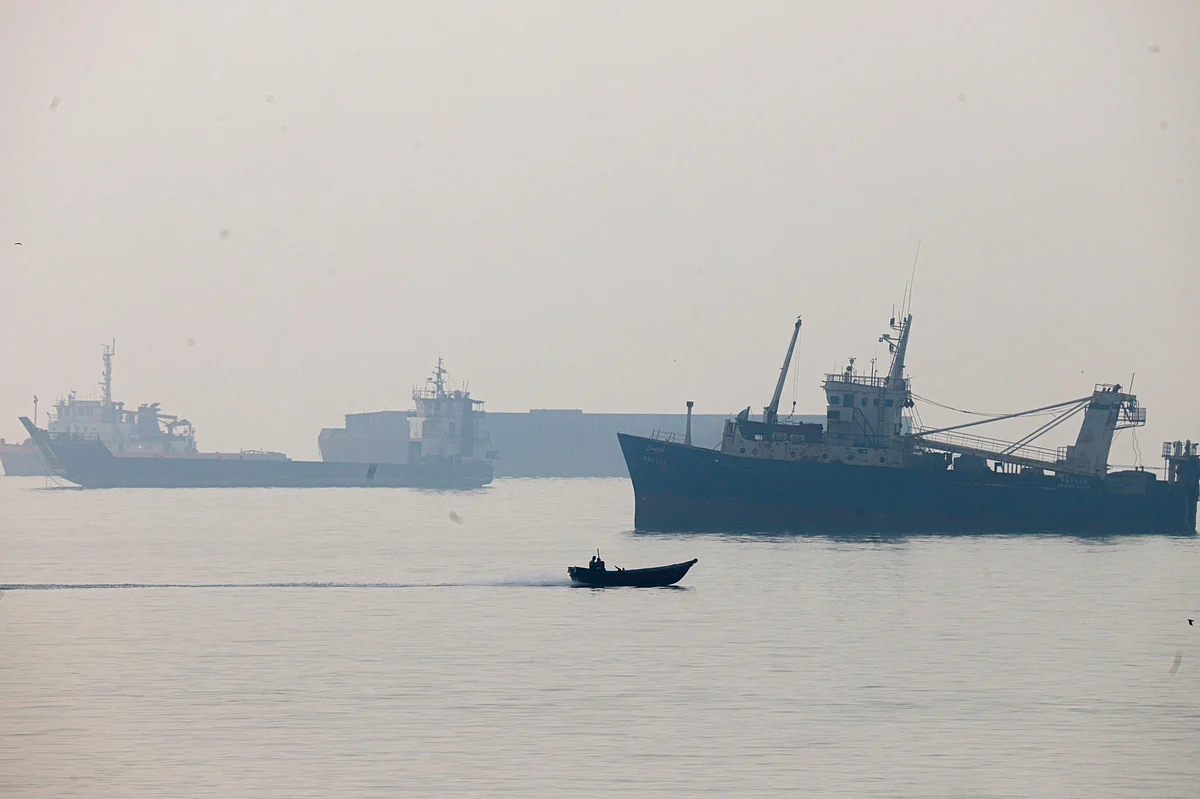
Gulf oil exports have now returned to pre-war levels, yet Brent crude oil remains trading above $100 a barrel. This has led to the puzzling question of why prices have not fallen as expected. While higher supply typically puts downward pressure on prices, several factors are preventing that from happening. One key factor is the logistics of transporting oil to where it is needed.
Moving crude from the Middle East to Asia aboard large carriers has become significantly more expensive, costing over $1.2 million per day. This is a sharp increase from $30,000 per day a year ago. Oil shipping costs have now accounted for roughly 27% of the delivered cost of a barrel of oil, up from just 3% in January. This higher cost of shipping means much more oil can reach the market without delivering the price relief that normally accompanies increased supplies.
Additionally, Iran's conflict and the resulting risks to shipping through the Strait of Hormuz have disrupted traditional shipping patterns. While crude flows through Hormuz have returned to nearly 80% of pre-war levels, the recovery remains fragile due to ongoing attack risks and the costly arrangements required to move oil through the region.
Furthermore, refining capacity has been damaged in the Middle East and Russia, leaving the world with fewer facilities to transform crude into finished fuels like diesel and petrol. With depleted inventories and the need for extensive rebuilding, it may take up to two years for prices to normalize.
Written by urgent.news from Gulf News's reporting — not their text. Machine-written — may contain errors; check the original before relying on it.