Greenpeace catches Hong Kong geopark ‘golden week’ visitors damaging marine life
Around 100 incidents of visitors catching sea cucumbers and digging up sea snails and clams were recorded in a single day at a popular spot in Hong Kong’s Unesco-listed geopark during National Day “golden week”, a green group has found, following similar incidents last year. The Po Pin Chau section of the High Island Geo Trail in Sai Kung was also strewn with rubbish on a separate day, Greenpeace…
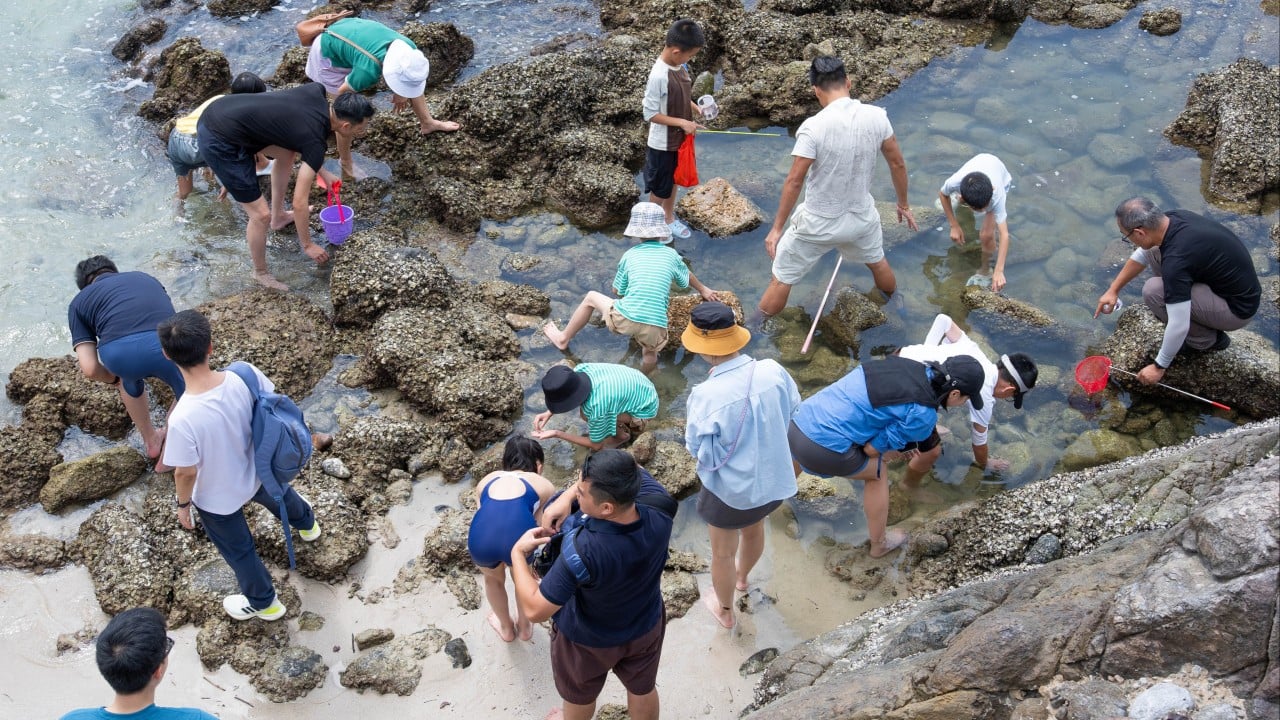
During Hong Kong's National Day "golden week" celebrations, Greenpeace discovered that 100 incidents involving visitors catching sea cucumbers and disturbing marine life occurred in a single day at the High Island Geo Trail in Sai Kung, a popular Unesco-listed site. This issue persisted in previous years, with similar incidents recorded last year.
Greenpeace also found that the popular Po Pin Chau section of the trail was littered with rubbish on another day, along with nearly 90 instances of environmentally damaging behavior at nearby Long Ke Beach, including climbing trees, littering, and disturbing wildlife. Greenpeace Hong Kong reported that 3,010 visitors arrived at Hap Mun Bay on October 4, during an inspection.
The group's Ha Shun-kuen stated that the additional public funding and manpower allocated during Golden Week failed to address the damage, calling the enforcement approach a "piecemeal 'painkiller' that fails to tackle the expanding problem of overtourism at its source." Greenpeace's field surveys between October 1 and 5 counted visitor numbers and recorded damaging behavior at several Sai Kung hotspots, including Hap Mun Bay, Po Pin Chau, and Long Ke.
The group highlighted that the waters of Hap Mun Bay support coral communities, but the government's proposed marine park boundaries exclude the bay, potentially pushing crowds towards this sensitive area. Greenpeace urged the government to assess visitor capacity at all countryside hotspots in Hong Kong and set a cap for each location, calling for an ecotourism policy prioritizing conservation and routine monitoring of visitors' environmental impact.
Written by urgent.news from South China Morning Post - Hong Kong's reporting — not their text. Machine-written — may contain errors; check the original before relying on it.