Governments should spend more on welfare to tackle cost of living, says IMF
Governments across the world should prioritise targeted welfare support for low income households over broader measures like tax cuts to ease the cost of living, the International Monetary Fund has said. Policymakers should do more to protect vulnerable households from surges in inflation caused by geopolitical events like the Iran war, the IMF says in [...]
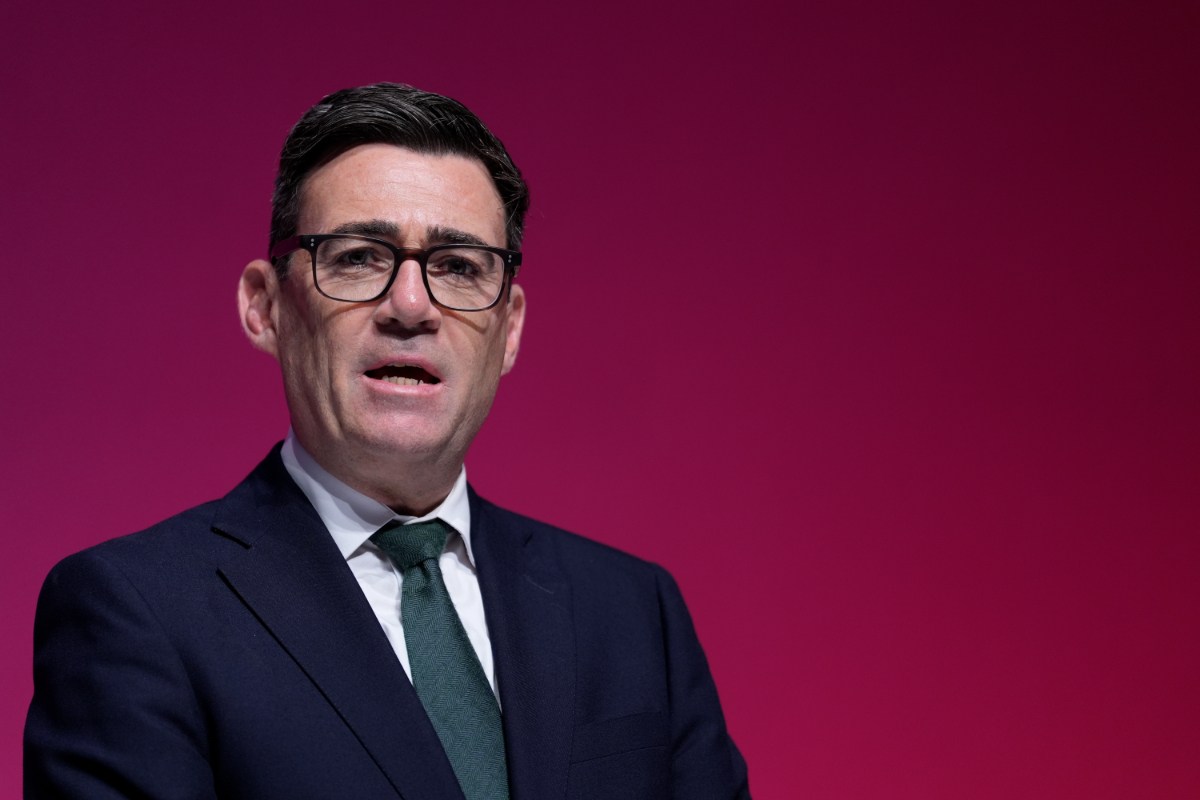
The International Monetary Fund (IMF) has urged governments worldwide to prioritize targeted welfare support for low-income households over broader measures like tax cuts to alleviate the cost of living. The IMF emphasizes that policymakers should focus on safeguarding vulnerable households from surges in inflation triggered by geopolitical events, such as the ongoing conflict in Iran, in a newly published chapter of its World Economic Outlook.
This recommendation comes as the Middle East crisis threatens to disrupt Chancellor John Healey's upcoming Budget, which is scheduled for next month, due to surging energy prices and global borrowing costs. The IMF warns that the conflict has already reduced the Chancellor's fiscal room to £11 billion and could entirely deplete it if the crisis persists.
The organization advocates for governments and central banks to implement targeted and temporary support measures as the most effective and cost-efficient method to shield poorer citizens from cost-of-living shocks caused by geopolitical events. The IMF suggests that assistance should be short-term and primarily delivered through income-support measures targeting the most vulnerable households, ideally leveraging existing social protection systems that can be rapidly scaled up.
The IMF's guidance is expected to fuel further debate about the UK's welfare expenditure. Current UK inflation has risen from 2.9% to 3.1% in August, with industry forecasts anticipating food inflation to surpass six percent by next summer. Prime Minister Andy Burnham has committed to providing "breathing space" to households grappling with the cost of living crisis by cutting VAT on energy bills and capping bus fares at £2.
However, economists have cautioned that soaring borrowing costs and substantial government borrowing may hinder the government's ability to implement further measures at the upcoming Budget. Andy Haldane, a former Bank of England chief economist and informal adviser to Burnham, has warned that the government is "skating on pretty thin ice" in terms of fiscal stability.
He cautioned against additional tax hikes, stating that the government's most effective path to fiscal credibility lies in demonstrating its capacity and willingness to cut public spending. Haldane emphasized that unless concrete action is taken on this front, Burnham will continue to be "in hock, to use an expression, to the bond market."
Written by urgent.news from City AM's reporting — not their text. Machine-written — may contain errors; check the original before relying on it.