Ghanaians in their 30s and 50s dying from heart disease without knowing – Cardiothoracic Centre
Cardiovascular disease is increasingly claiming the lives of Ghanaians at younger ages, with the Director of the National Cardiothoracic Centre, Dr Kow Entsua-Mensah, warning that many of the deaths could be prevented. He said people in their 30s and 50s are dying from heart-related conditions, with some unaware they have the disease until they suffer serious complications. “A lot of people are…
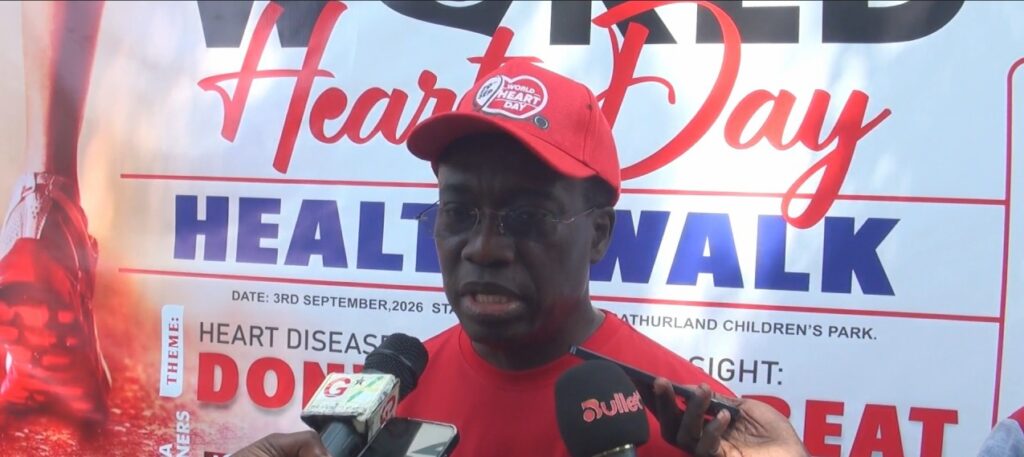
Ghanaians in their 30s and 50s are falling victim to heart disease without realizing they have the condition until it's too late, warns the Director of the National Cardiothoracic Centre, Dr Kow Entsua-Mensah. Many individuals are living with a heart-related disease without regular check-ups, which often leads to serious complications before the diagnosis.
Speaking at this year's World Heart Day event in Efua Sutherland Children's Park, Dr Entsua-Mensah emphasized that many people work with heart diseases unknowingly, as they neglect to get checked. He highlighted the need for better preparedness in responding to cardiovascular emergencies, asserting that prevention and early detection are crucial.
Dr Entsua-Mensah urged Ghanaians to take control of their heart health by incorporating regular exercise, healthier eating habits, adequate sleep, and routine health checks into their lives. He stressed that avoiding a health emergency should be the priority, rather than waiting until a crisis occurs to seek medical attention. Furthermore, he called for increased public awareness of cardiopulmonary resuscitation (CPR) and basic emergency response measures.
Dr Entsua-Mensah stressed that anyone can learn how to respond in such situations, not just medical professionals, as it can make a significant difference in saving lives.
The National Cardiothoracic Centre collaborated with St John Ambulance to offer emergency response training as part of the World Heart Day activities. Dr Entsua-Mensah expressed his hope that stronger prevention, early detection, and public knowledge of emergency response would help reduce the number of avoidable deaths from cardiovascular disease.
Written by urgent.news from MyJoyOnline Ghana's reporting — not their text. Machine-written — may contain errors; check the original before relying on it.