Fuel prices could drive voters to the polls
South Africans face mounting financial pressure as fuel costs reach unprecedented levels.
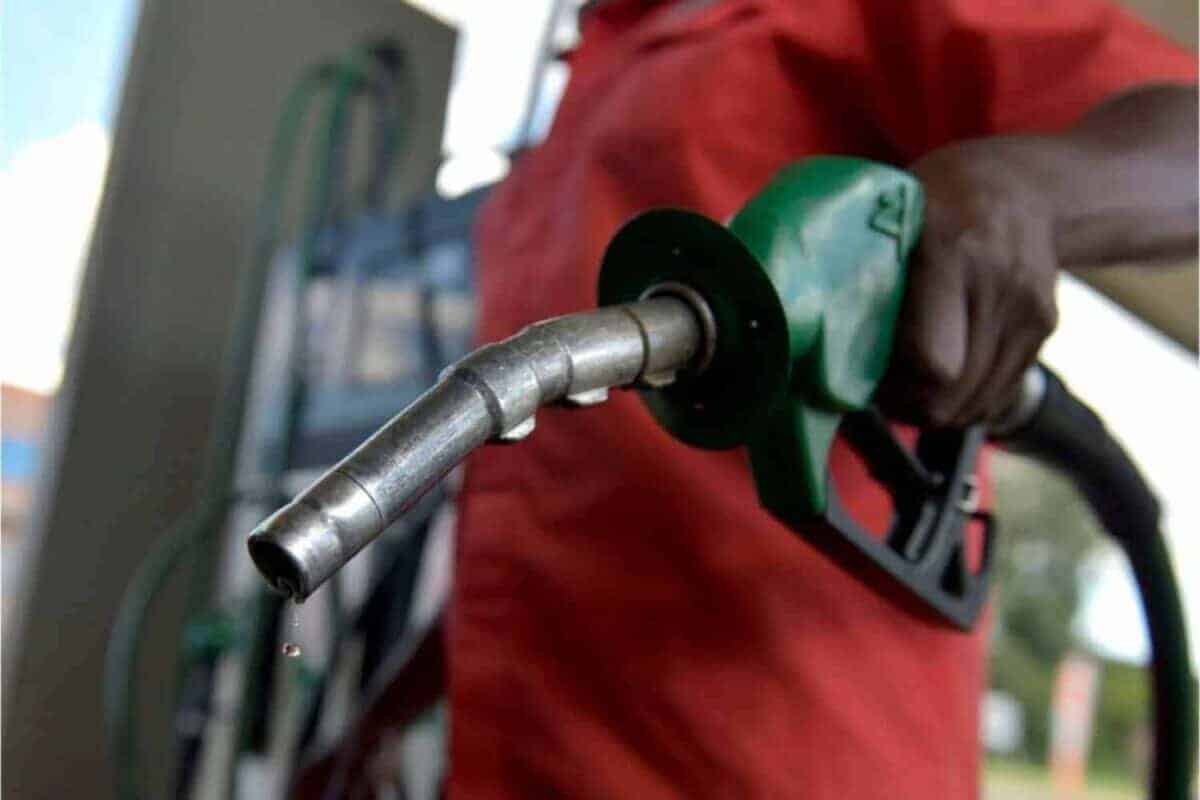
Fuel prices in South Africa have skyrocketed to record highs, prompting an economic analyst to warn that the ruling African National Congress (ANC) was given sufficient time, at least five years, to address the impending cost-of-living crisis. As South African households face mounting pressure from rising everyday expenses, they prepare for the local government elections scheduled for November 4, 2026.
Starting from October 7, 2026, petrol and diesel prices will surpass the R30 per litre threshold. This fuel price hike has been compounded by a 25 basis point increase in the repo rate by the South African Reserve Bank in September, raising concerns about the overall cost of living.
The mounting financial strain on households has further been exacerbated by a 12.5% surge in water charges and an 8.63% rise in electricity bills, effective since July 2026. These combined cost increases have intensified the cost of living crisis, making affordability a pressing concern for voters as they approach the polls. Despite the government's attempts to mitigate the issue, many South Africans have been grappling with the escalating costs for years.
Political analyst Andre Duvenhage emphasized that local conditions had not improved since 2021 and have actually deteriorated over time.
The upcoming local elections carry significant weight in assessing government performance, particularly concerning household-related matters. Wayne Duvenage, CEO of the Organisation Undoing Tax Abuse (Outa), underscored the importance of voting, asserting that abstaining from voting would be a waste of a democratic opportunity. While these hardships may motivate voters to cast their ballots in hopes of demanding change, they must exercise caution when evaluating the government's promises.
The Motor Industry Staff Association (MISA) has called for the restoration of a temporary General Fuel Levy reduction, arguing that the fuel price increase has pushed workers below the survival line, with transport and electricity costs accounting for a substantial portion of a minimum wage.
Political analyst Duvenhage cautioned that the government's response to this demand could be perceived as a form of campaigning, particularly as the elections draw nearer. He suggested that parties may leverage this issue to showcase their effectiveness in addressing voter concerns. Ultimately, the outcome of the 4 November elections may hinge not only on the government's response to the fuel price surge but also on voters' perception of their ability to influence fuel prices post-elections.
Written by urgent.news from The Citizen's reporting — not their text. Machine-written — may contain errors; check the original before relying on it.