From snake oil to biohacking: The quackery and science of longevity
Scientists still have no convincing answer as to whether medicine can substantially extend human life, but enormous sums are being invested in research on the subject: in March 2026 alone, the U.S. government agency ARPA-H allocated $144 million to developing biomarkers of aging and testing drugs to slow it. According to the WHO , by 2050 the number of people over 60 worldwide will double to 2.1…
Humanity has sought ways to restore youth and prolong life for centuries, dating back to ancient legends like Gilgamesh and the mythical elixirs of immortality consumed by Chinese emperors. Scientific attempts to achieve longevity began in the late 19th century, beginning with French physiologist Charles-Édouard Brown-Séquard injecting himself with extract from the testicles of dogs and guinea pigs, claiming to regain strength and increased capacity for work.
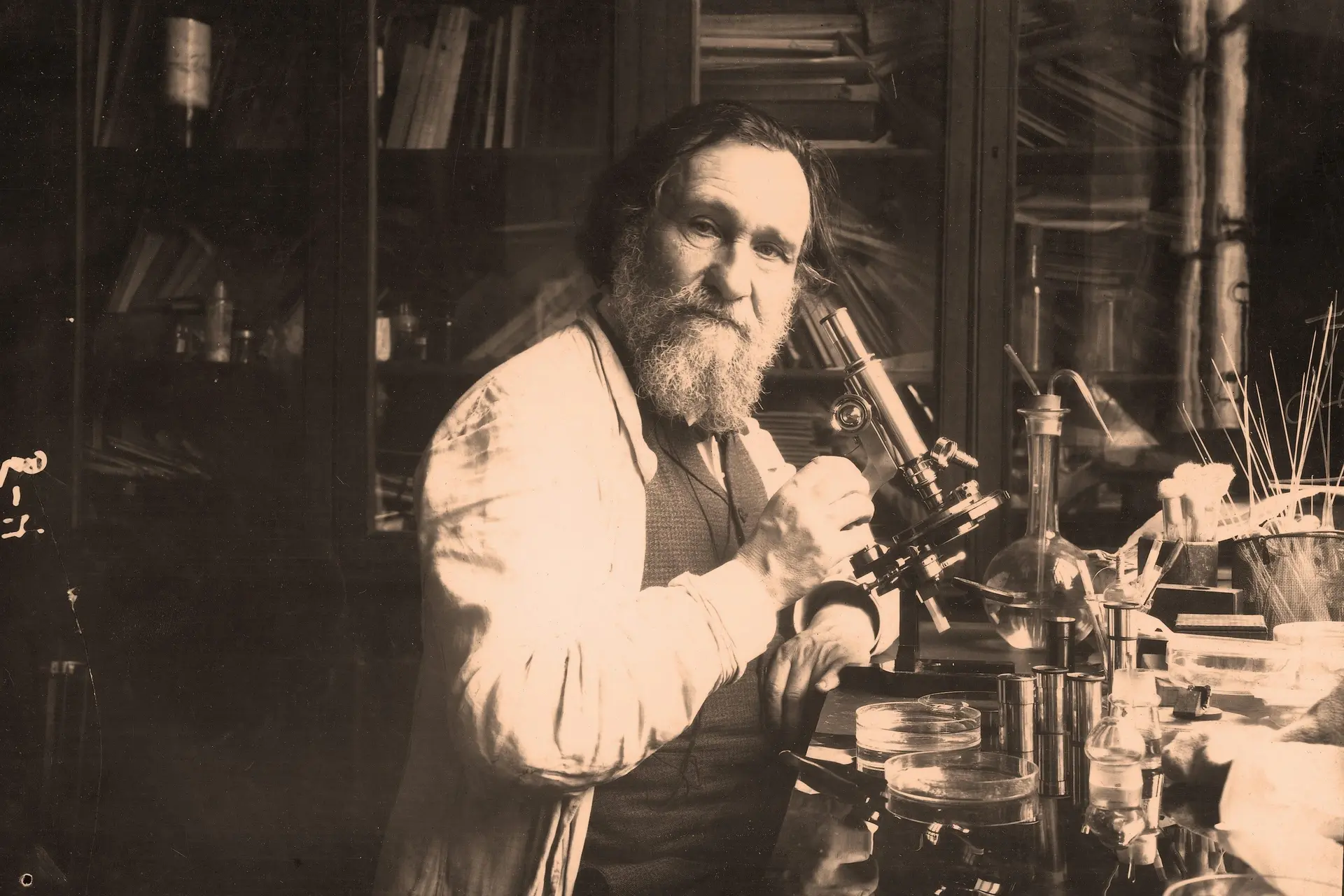
A century later, Russian biologist Ilya Mechnikov founded scientific gerontology and the doctrine of orthobiosis, attributing aging to putrefactive bacteria in the large intestine and linking Bulgarian longevity to the consumption of sour milk. The hypothesis quickly became a commercial proposition, as sellers of fermented dairy products promised customers longevity despite a lack of evidence.
Throughout the 20th century, various methods such as vasectomies, chimpanzee testicular transplants, and blood exchanges were experimented upon in hopes of enhancing hormone production and reversing aging. However, most of these methods proved ineffective, with results attributed to placebo effects or rejection of transplanted tissue.
In the 21st century, Google's Calico and Altos Labs have poured billions into life-extension research, focusing on lab markers of aging rather than actual lifespan extension. Epigenetic clocks, which estimate a person's age from chemical markers on their DNA, have emerged as a serious attempt to measure biological aging. However, these clocks face criticism for variability in results and the temptation to pass off surrogate markers as real effects.
Written by urgent.news from The Insider's reporting — not their text. Machine-written — may contain errors; check the original before relying on it.