From coffee beans to value Building a more sustainable coffee industry in Vietnam
Vietnam s coffee industry has built a formidable position in global markets but its next challenge is no longer simply producing more beans The greater opportunity lies in keeping more value in Vietnam by upgrading the entire value chain from farms and processing to packaging logistics and exports
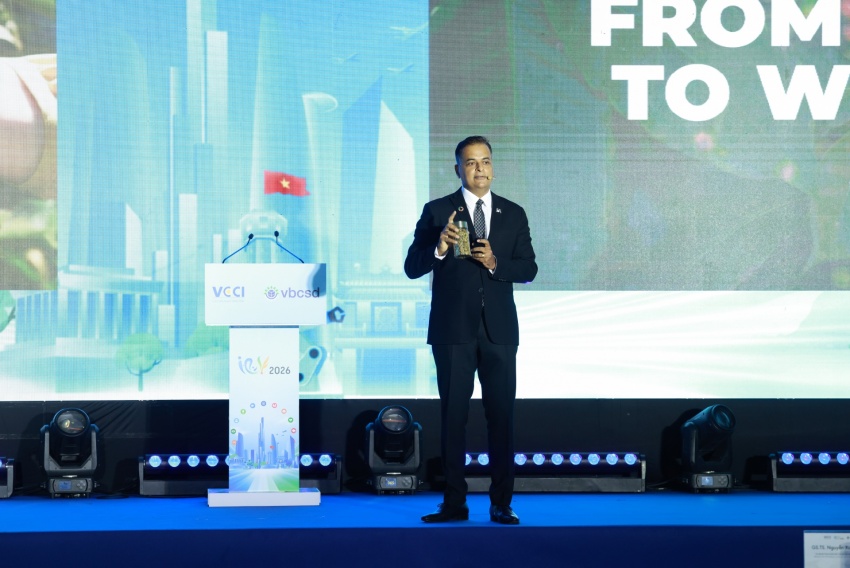
Nestlé Vietnam CEO Binu Jacob emphasized the need to shift Vietnam's coffee industry from a volume-driven growth model to one focused on value creation during the Vietnam Corporate Sustainability Forum 2026 in Hanoi. He compared the journey of a coffee bean to the broader efforts to build Vietnam's sustainable competitive advantage.
Vietnam, the world's leading Robusta coffee producer and the second-largest coffee exporter, has made significant strides in coffee production. Jacob stated that the industry is moving towards increased processing, with Vietnam now the world's largest exporter of soluble coffee. However, a majority of Vietnam's coffee export value still comes from green coffee beans. To achieve greater sustainability and value capture, Jacob argued that the focus should be on increasing value domestically rather than expanding production.
The starting point for this transformation, according to Jacob, is the farmer. Nestlé Vietnam has been working with coffee-growing communities in the Central Highlands through its NESCAFÉ Plan for over a decade. The program has reached more than 23,000 farmer households and indirectly helped more than 200,000 farmers through training.
It has also promoted regenerative agricultural practices, such as water-saving irrigation, organic and microbial fertilizers, and digital farming tools. These efforts have led to the replanting of over 100,000 hectares of aging coffee plantations, reduced irrigation water use by 40-60%, and decreased chemical fertilizers and pesticides usage by around 20%.
Jacob stressed that sustainability for farmers is fundamentally an economic issue rather than just an environmental one. A healthy soil supports stronger coffee trees, better water retention, and continued production during dry seasons, ultimately securing agricultural potential for future generations.
To add value beyond the farm, Nestlé operates a major coffee manufacturing facility in Dong Nai city, which serves as the company's largest and most diverse coffee factory globally. The facility processes coffee products for both domestic and international markets, significantly increasing the value of Vietnamese coffee. Jacob highlighted that processing, branding, technology, and market access can allow Vietnam to capture substantially more value from the same agricultural output.
This model also presents opportunities for local Vietnamese companies to participate in and benefit from the value chain.
Written by urgent.news from Vietnam Investment Review's reporting — not their text. Machine-written — may contain errors; check the original before relying on it.