Francis Halzen wins Nobel physics prize for work on ghost particles
The Nobel Committee for Physics also said Halzen’s work was instrumental to the construction of the IceCube Neutrino Observatory in Antarctica.
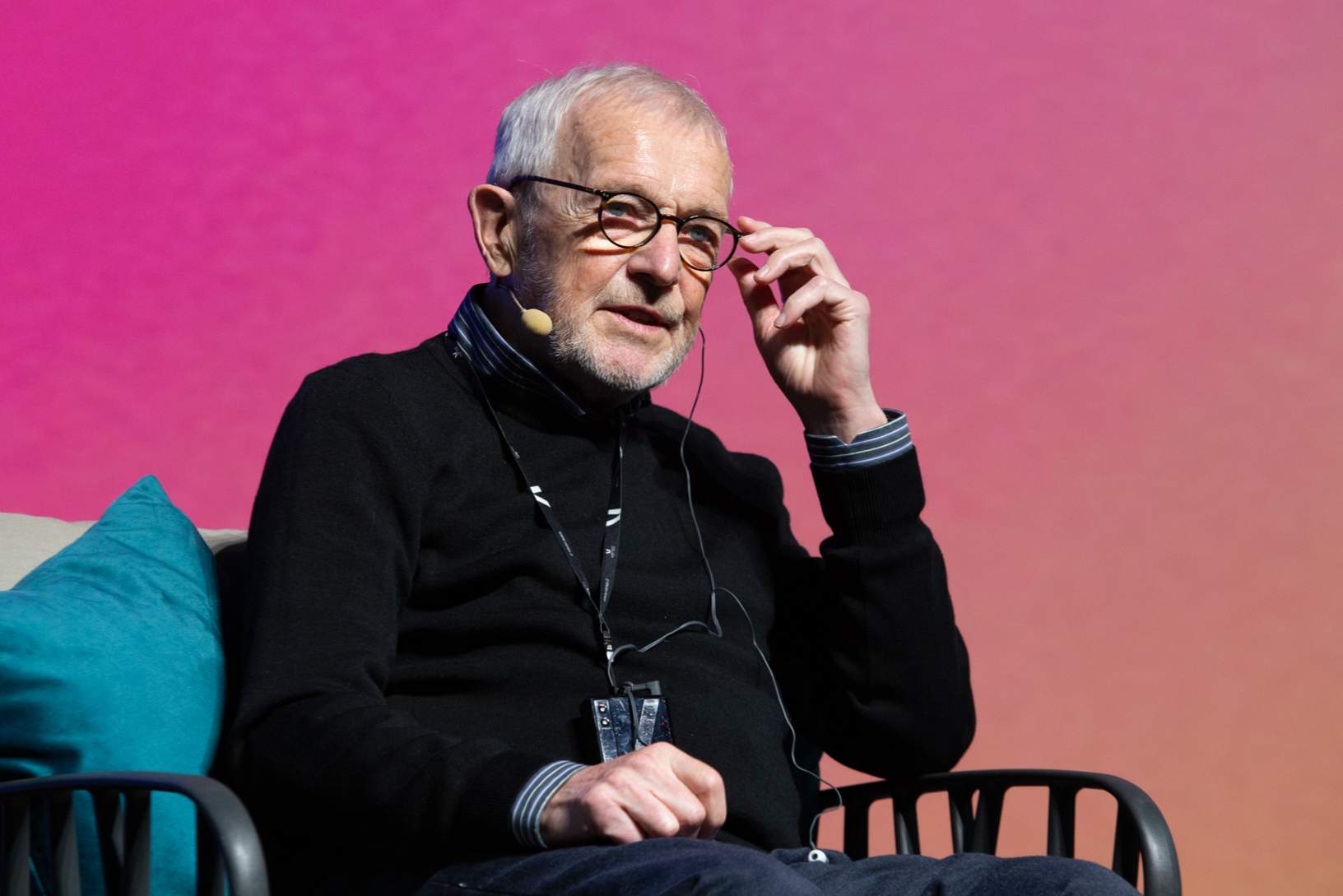
Francis Halzen, a 82-year-old scientist from Belgium, has been awarded the Nobel Prize in Physics for his groundbreaking work on neutrinos, tiny cosmic particles that could unlock secrets about the evolution of the universe. Halzen was speaking to the Nobel Committee by phone from Italy when he expressed his surprise and delight at receiving the prestigious honor.
He revealed that he is currently working on a proposal which he hopes the prize money will help bring to fruition. The Nobel Committee praised Halzen's work as instrumental to the construction of the IceCube Neutrino Observatory in Antarctica, which he realized could visualize neutrino particles from the cosmos. Born in Belgium, Halzen is currently affiliated with the University of Wisconsin–Madison in the U.S., where the IceCube Neutrino Observatory is operated.
Neutrinos are notoriously difficult to detect, as they have an incredibly small mass and traverse the universe, colliding with other matter and producing flashes of light or charged particles. Halzen's research opened the door to studying these elusive particles, providing crucial insights into the processes of exploding stars and the distant galaxies they represent.
Belgian Prime Minister Bart De Wever congratulated Halzen, calling the award "impressive recognition for a lifetime dedicated to shedding light on the great mysteries of the cosmos through its smallest components." This year's Nobel Prize in Physics is worth 12 million Swedish kronor, approximately US$1.2 million.
Written by urgent.news from Global News's reporting — not their text. Machine-written — may contain errors; check the original before relying on it.