Francis Halzen Wins 2026 Nobel Prize in Physics for IceCube Neutrino Discovery
Belgian-American physicist Francis Halzen won the 2026 Nobel Prize in Physics on Tuesday, Oct. 6, for his decisive contributions to the IceCube Neutrino Observatory and the discovery of high-energy neutrinos of astrophysical origin. Halzen, 82, helped turn Antarctic ice into a giant detector for particles that are extremely difficult to detect. According to the Royal […]
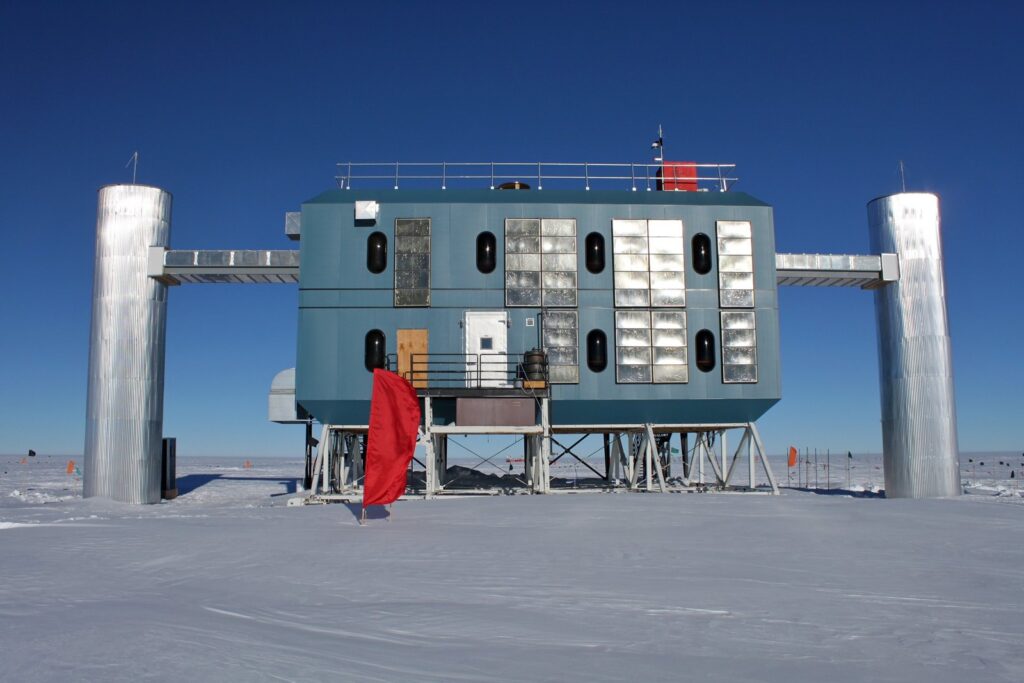
Belgian-American physicist Francis Halzen, 82, has been awarded the 2026 Nobel Prize in Physics for his groundbreaking work with the IceCube Neutrino Observatory. The South Pole-based IceCube detects high-energy neutrinos from space, opening a new branch of astronomy by studying the universe through these elusive particles instead of relying solely on light.
Halzen proposed using Antarctica's vast ice sheet as a detector in 1988, leading to the creation of IceCube. The observatory consists of 5,160 light sensors embedded in 86 strings, buried up to 2,450 meters (8,038 feet) beneath the surface. When a neutrino interacts with the ice, it generates a faint blue glow called Cherenkov radiation, which sensors detect to reconstruct the particle's direction and energy.
The discovery of high-energy astrophysical neutrinos by IceCube in 2013 marked a pivotal moment, proving that neutrinos can serve as cosmic messengers. This breakthrough opened a new way to study the universe, as neutrinos can travel vast distances without significant deflection or absorption, carrying information about some of the most energetic environments in the cosmos.
IceCube, a collaborative effort involving over 450 researchers from 14 countries led by the University of Wisconsin-Madison, has detected neutrinos associated with various cosmic sources, including active galaxies and environments within and beyond the Milky Way. The observatory continues to make significant contributions to our understanding of the universe's most powerful phenomena.
Written by urgent.news from Colombia One's reporting — not their text. Machine-written — may contain errors; check the original before relying on it.