Flashing star in autumn? Here are 3 candidates
Flashing star in October? Discover 3 bright stars that shimmer in red, green and other colors, and find out why they put on this dazzling show. The post Flashing star in autumn? Here are 3 candidates first appeared on EarthSky .
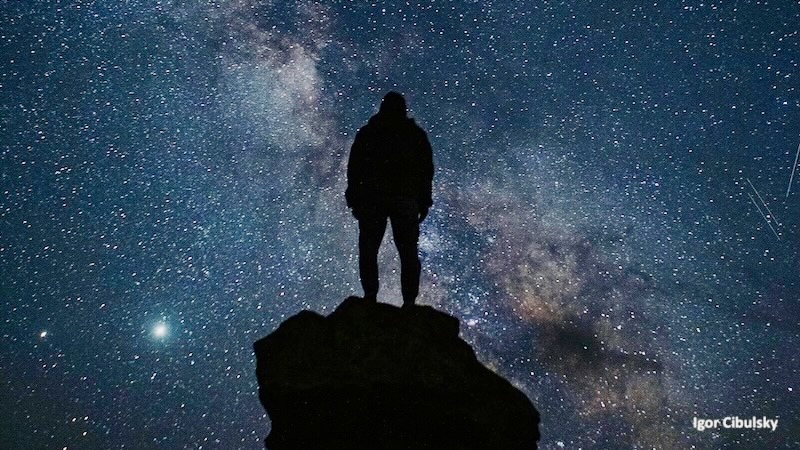
Autumn evenings in the Northern Hemisphere often spark questions about a bright, flashing star observed in the sky. Among the top contenders for this dazzling display are three stars: Capella, Arcturus, and Sirius.
Capella, located in the constellation Auriga the Charioteer, is the brightest star in the northern autumn sky. With a magnitude of 0.24, it is the sixth-brightest star in Earth's sky, excluding the sun. Its low position in the northeastern horizon during early evening makes it a noticeable target for those seeking to spot the flashing star.
Capella's brightness and low altitude are the main reasons for its striking color flashes. As it is seen through more atmosphere than a high-altitude star, the light undergoes refraction, causing the red and green flashes often noticed in its twinkling.
Next in the line-up is Arcturus, situated in the constellation Boötes the Herdsman. This orange-colored star appears in the northwest sky during October evenings. Its proximity to the Big Dipper's handle makes it easy to locate. However, unlike Capella, Arcturus is descending in the sky, which means it will set shortly after sunset. Consequently, Capella remains visible throughout the night, giving it a greater opportunity to exhibit its flashing colors.
Finally, Sirius, the brightest star in the sky, also features in this trio. Located in the constellation Canis Major the Greater Dog, Sirius is visible in the southern sky before dawn in the Northern Hemisphere. It is the source of the star's famous color changes. As it is close to the horizon during early morning, more atmosphere interferes with its light, leading to the observed color shifts.
However, when Sirius is higher in the sky, as it will be in the evening sky during January and February, its flashes become less noticeable due to the reduced atmospheric interference.
Written by urgent.news from EarthSky's reporting — not their text. Machine-written — may contain errors; check the original before relying on it.