Europe is learning the wrong lesson from Russia's drone war
European governments are preparing for a form of confrontation that their current investments do not fully match. While Russian-linked sabotage usually uses drones, logistics networks, criminal intermediaries, and deniable proxies against European cities, official policies and national strategies remain focused on detecting and intercepting each incident as it arises. This approach treats only…
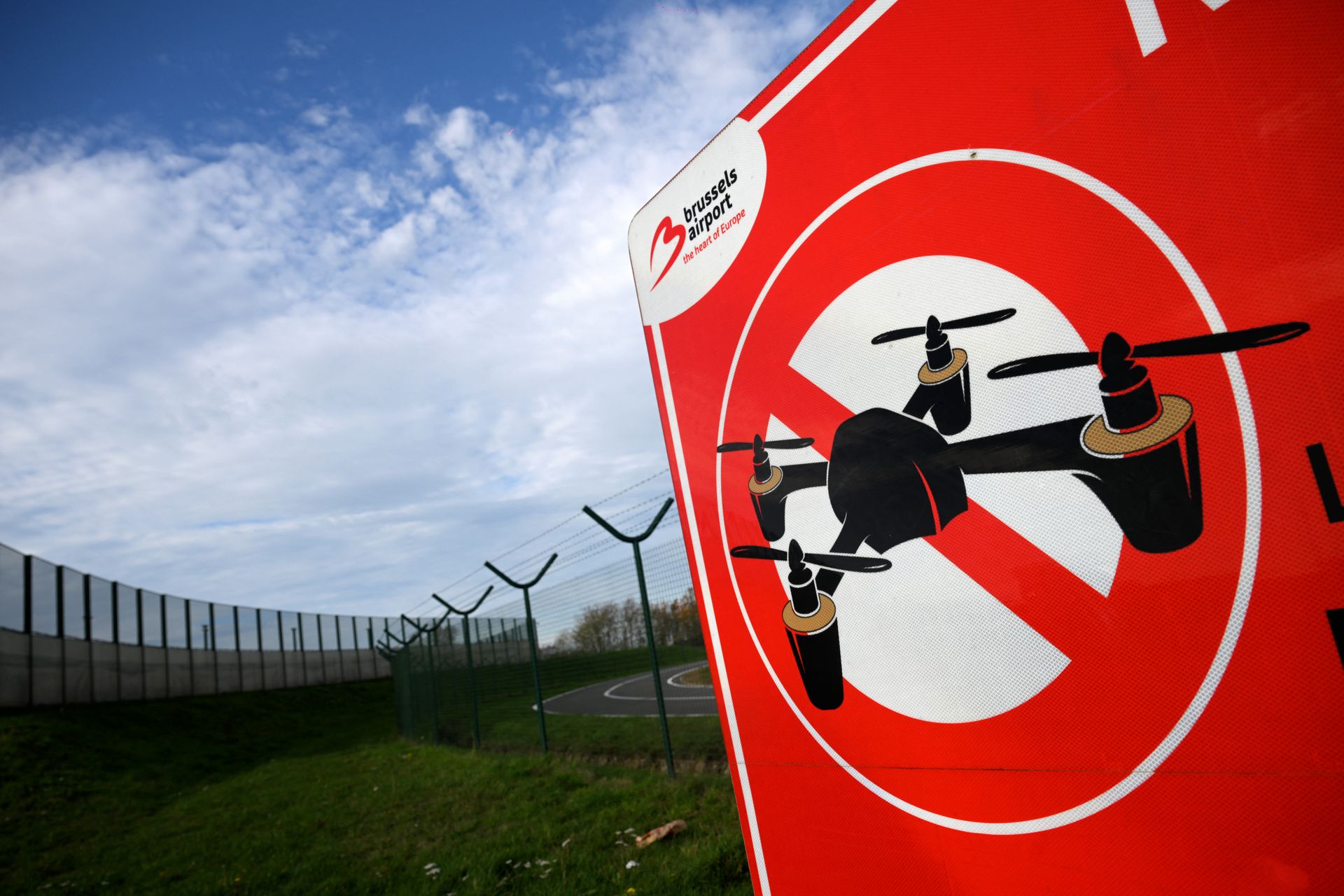
Europe's security strategy has failed to adapt to the evolving threat landscape posed by Russian-linked drone attacks. While individual cases may be addressed effectively, the broader issue of slow, fragmented, and expensive response mechanisms remains unaddressed. The Leipzig/Halle Airport incident on August 4, 2026, where a quadcopter carrying plastic explosives went unnoticed by security systems and landed near a Ukrainian cargo aircraft, exemplifies this vulnerability.
Each drone incursion, whether intentional or not, leaves behind a cloud of uncertainty that makes cheap, deniable activity highly effective against well-equipped institutions. The time and resources spent determining the nature of these incidents could have been better allocated to strengthening overall resilience and tempo.
Historically, Europe has focused on detecting and intercepting drone attacks, neglecting the underlying vulnerability that these attacks exploit. Ukraine, on the other hand, has taken a different approach by integrating battlefield reporting, air-surveillance data, and drone feeds into a unified situational awareness and command system. This approach has allowed Ukraine to streamline detection, identification, decision, and action, ultimately minimizing the impact of Russian drone attacks.
The key lesson from Ukraine's experience is the importance of organized counter-sabotage efforts that connect aviation authorities, law enforcement, intelligence services, and armed forces across institutional and national boundaries. By sharing information before an incident escalates into a crisis, Europe can minimize the disruption caused by drones while also addressing the systemic issues that enable such attacks.
Public attribution of drone attacks is a complex challenge, often requiring weeks to establish responsibility. However, the immediate consequences of delayed decision-making are already evident - stranded citizens at airports due to drone disruptions. Thus, Europe must prioritize organization and integration over the number of intercepted drones. The decisive advantage lies in making Russia react, limiting its initiative, and denying it the ability to set the pace of operations.
Written by urgent.news from Kyiv Independent's reporting — not their text. Machine-written — may contain errors; check the original before relying on it.
This story
This is one outlet's version. Read the fullest account.
- Ukraine says S. Korea exports eased Russia fuel crisis caused by drone strikes koreatimes.co.kr
- Germany accuses Russia of a drone bomb attempt at Leipzig. Now its eight biggest airports get drone detection euromaidanpress.com
- South Korea exports eased Russia fuel crisis caused by drone strikes, Ukraine says channelnewsasia.com