El Niño comes to Ukraine’s aid
As Russia again ramps up its attacks on Ukraine’s electricity grid ahead of the winter heating season, this time Kyiv has a new ally in its corner: El Niño.
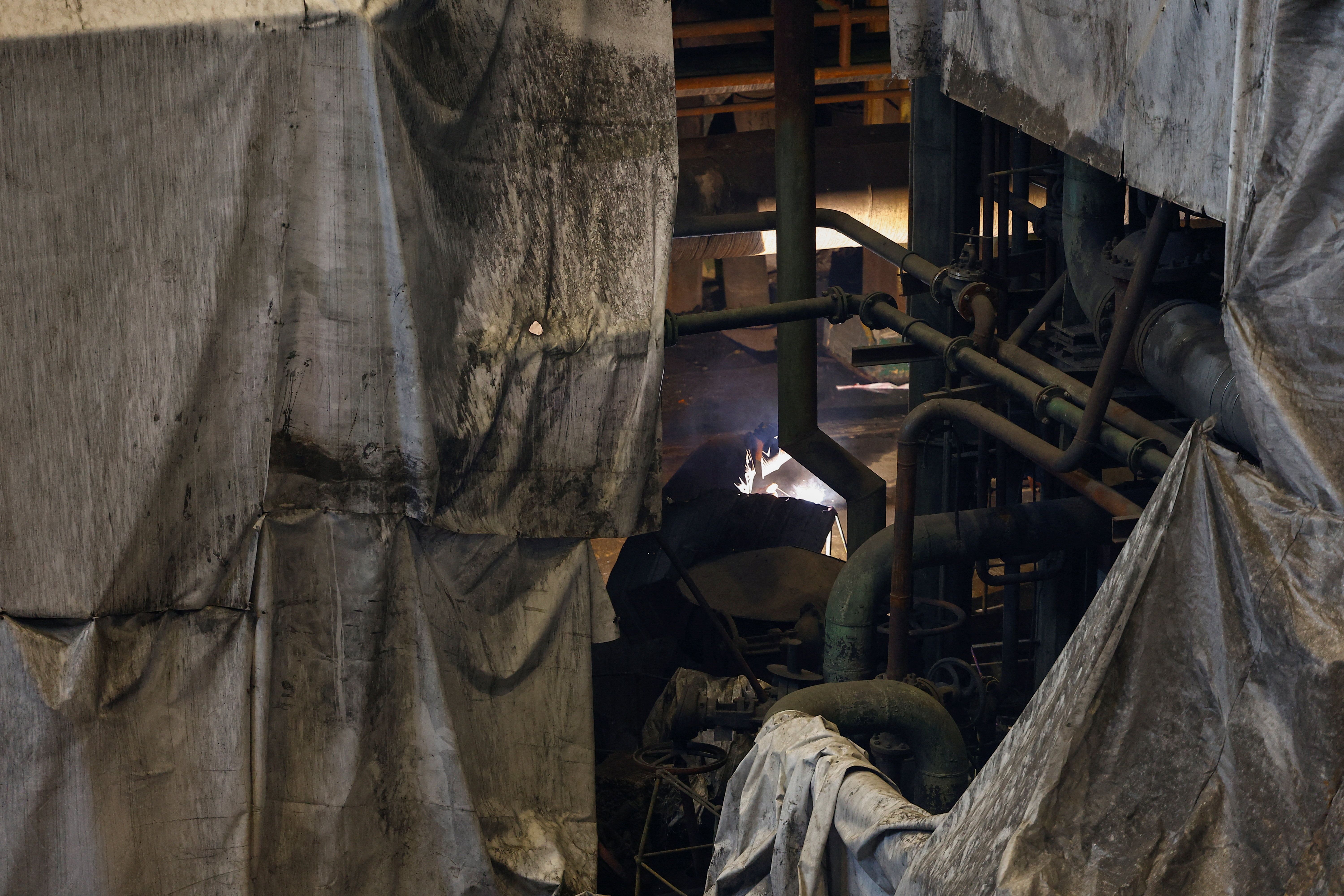
As Russia escalates its attacks on Ukraine's electricity grid ahead of the winter heating season, a new ally has emerged for Kyiv: El Niño. Last week, 8,000 households went dark following the Kremlin's largest grid attack since last winter. This comes just seven months after Ukrainians endured their harshest winter since the full-scale invasion, with relentless bombardment of energy plants and substations leaving many without heat and intermittent power access for weeks.
Russia's Defense Ministry has warned of more attacks following a two-month surge in Ukraine's long-distance drone strikes against Russian oil refineries, which have reportedly crippled over half of Russia's refining capacity. Despite Moscow's improved air offensive and the shortage of Ukraine's missile defense supplies, Ukraine has several advantages.
Western aid for rebuilding the energy sector is flowing in, with $250 million in energy hardware expected between now and February. Ukraine enters the winter with a natural gas surplus and a higher share of critical energy assets protected behind concrete barriers. The country also boasts more utility-scale renewables online, and residents have learned to cope with power disruptions using batteries, generators, blankets, and candles.
Most significantly, an exceptionally strong El Niño weather pattern is expected to bring a warm and wet winter to Europe this year. This bodes well for the EU, grappling with a looming gas shortage, but could prove problematic for Russia, which will likely face above-average food and fuel import prices. For Ukraine, this El Niño weather is a considerable asset.
However, the journalist still yearns for an apartment with a functioning fireplace. German Chancellor Friedrich Merz recently announced an additional €1 billion in military aid to Ukraine during a visit to Kyiv, along with €350 million for energy sector repairs.
Written by urgent.news from Semafor's reporting — not their text. Machine-written — may contain errors; check the original before relying on it.