Economia: Sardegna in affanno, manifattura da potenziare
Il valore aggiunto per abitante è appena un quarto della media nazionale e la Sardegna, per crescere, ha bisogno della manifattura. Oltre che di interventi che facciano superare le difficoltà...
The new report from the Centro Studi di Confindustria Sardegna titled "Potenziare la manifattura: il divario produttivo della Sardegna" highlights the need for the manufacturing sector to boost the economy of the island. In 2024, the island's GDP grew by 1.3% in real terms, compared to a 0.7% increase nationally, making it the second-highest growth rate after Sicily.
However, despite this growth, Sardinia's GDP per capita is still significantly lower than the national average, at €27,731 compared to €37,309. The study reveals that neighboring regions Abruzzo and Basilicata have a manufacturing output per capita that is over three times and more than double that of Sardinia, respectively. Even Puglia and Campania, despite having a lower GDP per capita, produce 48% and 64% more value-added manufacturing per capita than Sardinia.
The manufacturing sector in Sardinia generated €2.33 billion in value-added in 2023, accounting for only 6.2% of the region's total, compared to the national average of 17.2%. If manufacturing had the same impact in Sardinia as it does nationally, its value-added could reach €6.5 billion, a difference of over €4.1 billion, or around 10% of the regional GDP.
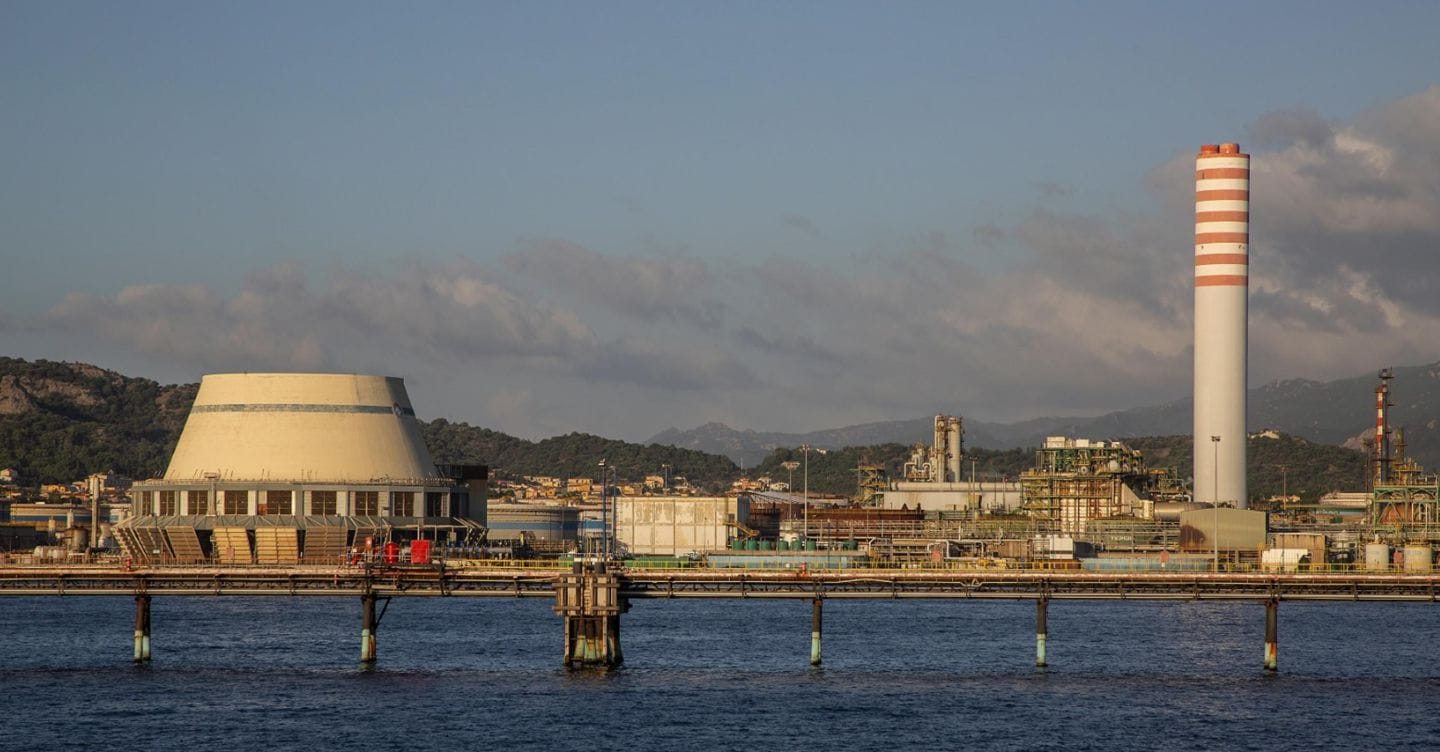
Andrea Porcu, the director of the Centro Studi di Confindustria Sardegna, emphasizes that the gap in manufacturing is not just due to the island's smaller size, but also because it is significantly weaker compared to the rest of the Mezzogiorno. The disparity is evident when considering that almost half of the region's value-added manufacturing comes from two sectors - chemicals and petroleum, accounting for €590 million, and food processing, with approximately €571 million.
All other manufacturing sectors combined contribute only the remaining half, with the value-added manufacturing per capita dropping from €1,478 to €1,103, representing just 21.5% of the national average. The report concludes that the island's insularity is a real constraint, but it requires stable, long-term solutions such as reliable connections, competitive energy, efficient infrastructure, technical skills, and stable policies to overcome the challenges and reduce the gap with the rest of Italy.
Written by urgent.news from Il Sole 24 Ore's reporting — not their text. Machine-written — may contain errors; check the original before relying on it.