Earn in Singapore, spend in JB: The salary arbitrage driving Johor property demand
JOHOR BARU: The widening gap between Singapore salaries and Johor living costs has created a lucrative cross-border equation for workers, with the trend increasingly spilling into the state capital’s property market.
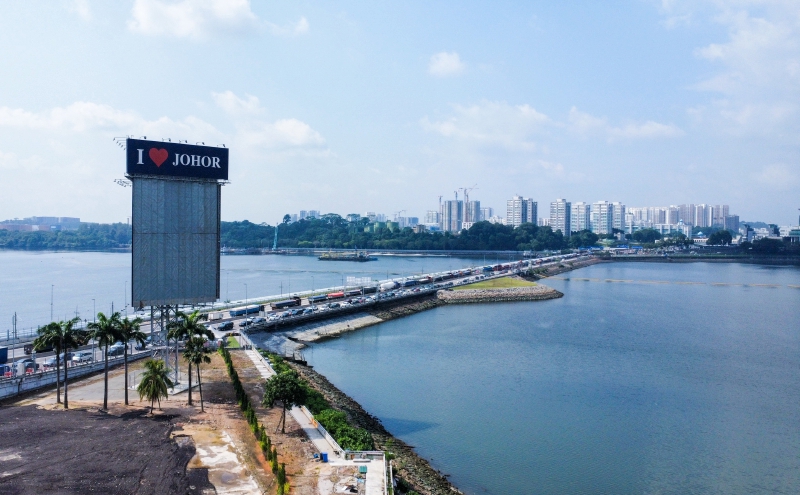
Johor Baru is experiencing a surge in property demand from workers who earn higher salaries in Singapore but choose to live in Johor due to lower living costs. The salary disparity between the two regions, with Singapore offering significantly higher wages, has proven lucrative for Malaysian workers. On average, a worker earning about S$4,000 (RM13,200) a month could save between RM4,000 to RM5,000 monthly by living in Johor Baru instead of renting in Singapore.
The lower cost of living in Johor, ranging from RM1,200 to RM2,000 for an apartment, compared to the Singaporean equivalent of RM7,500 to RM10,000, leaves workers with greater spending power. The trend has led to an increase in demand for properties in Iskandar Puteri, with two-bedroom condominiums rising to RM380,000-RM550,000, and monthly rents climbing to RM1,400-RM2,200.
The upcoming opening of the Johor-Singapore Rapid Transit System (RTS) Link is expected to further boost property values in areas convenient to Singapore. However, this salary arbitrage comes with drawbacks such as lengthy commutes, transport costs, border congestion, and the physical toll of daily traveling. The emergence of the Johor-Singapore Special Economic Zone (JS-SEZ) and incentives for knowledge workers and the Forest City Special Financial Zone could potentially shift the focus of Johor Baru's housing market from a cheaper accommodation city to a strategic residential base for Singapore-linked workers.
Ultimately, the sustainability of this arbitrage depends on whether workers are willing to trade time for savings in ringgit.
Written by urgent.news from New Straits Times's reporting — not their text. Machine-written — may contain errors; check the original before relying on it.