David Byrne Awakens the Story of Dark Matter
In an excerpt from his new book, “Sleeping Beauties,” the musician and writer revisits the brilliant discoveries by astronomer Vera Rubin The post David Byrne Awakens the Story of Dark Matter appeared first on Nautilus .
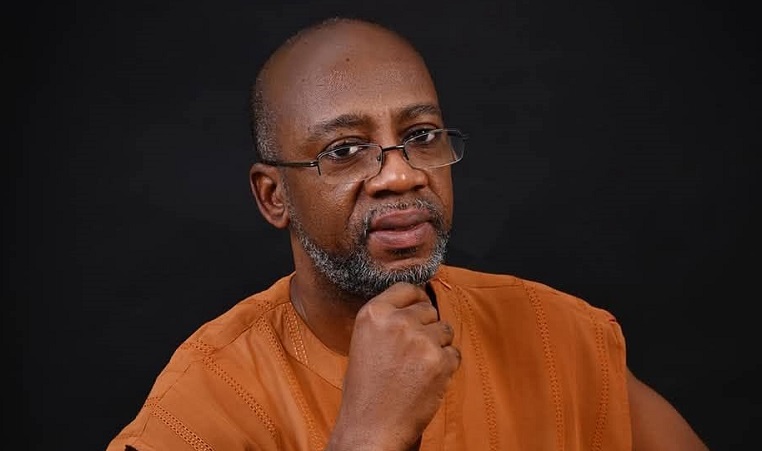
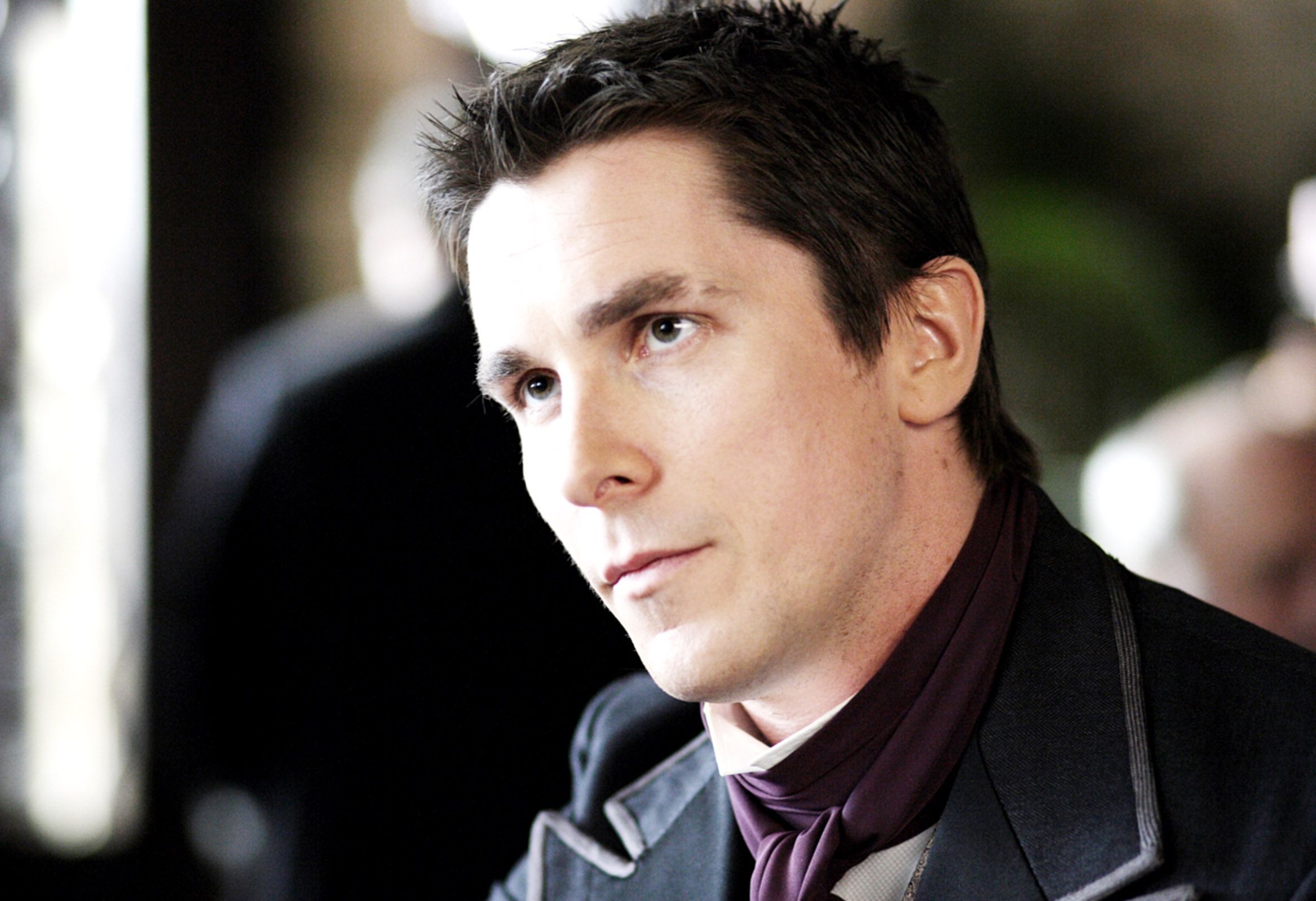
In his new book, "Sleeping Beauties," musician and writer David Byrne revisits the groundbreaking discoveries made by astronomer Vera Rubin. In 1986, Byrne attended the Rio Film Festival and discovered a samba record by a Brazilian artist named Tom Zé. Intrigued by the unconventional sound, Byrne and his business partner Yale Evelev decided to create a compilation of Tom Zé's music, presenting it as contemporary rather than folkloric.
Despite initial modest sales, the release brought newfound attention to Tom Zé, who had previously been forgotten and viewed as a relic of the past. His innovative approach to Brazilian music resonated with a younger generation in Brazil, leading to a resurgence in his popularity and the creation of live performances and TV appearances.
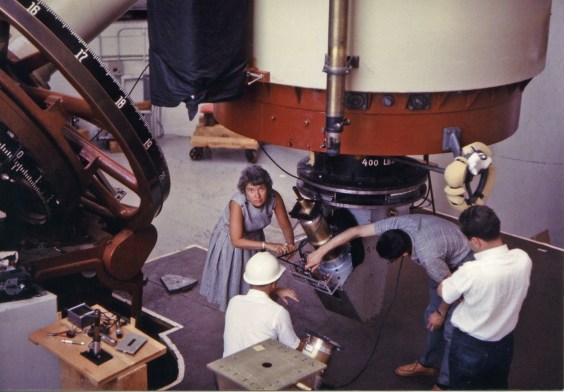
Byrne's experience taught him that profound and powerful ideas can be "lost" and then "rediscovered," a phenomenon applicable to various creative fields, including science. Vera Rubin, a prominent figure in the astronomical world, made a significant discovery in the 1970s that revealed the presence of dark matter, estimated to constitute 27% of the universe.
Her groundbreaking work contrasted with the popular belief that visible matter made up the majority of the cosmos. Rubin's journey was marked by early skepticism and obstacles, including her high school advisor's discouragement and the lack of female astrophysics programs. Undeterred, she pursued her education at Vassar College and later at Cornell University, where she studied under renowned scientists.
Rubin's discovery of the uneven distribution of galaxies paved the way for the eventual recognition of dark matter's existence, which now accounts for a significant portion of the universe's composition.
Written by urgent.news from Nautilus's reporting — not their text. Machine-written — may contain errors; check the original before relying on it.