Climate resilience starts with care
Estimates of funding needs and proposed investment pipelines overlook a critical piece of infrastructure: an ecosystem of climate-adapted care services that helps families prepare for, cope with and recover from climate-induced hazards.
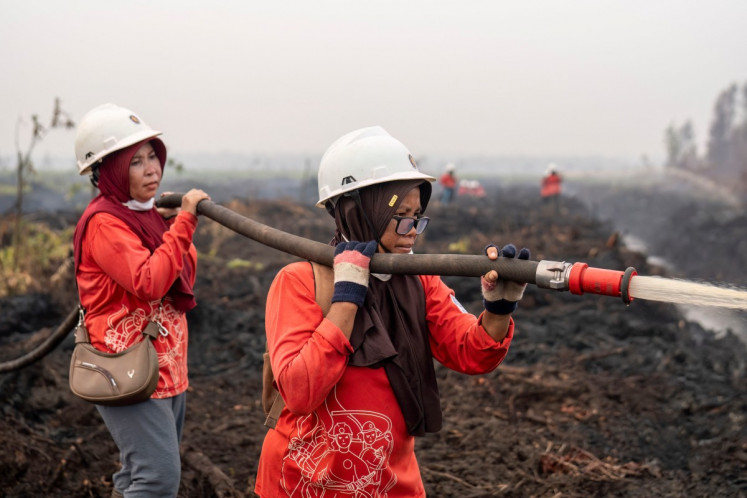
Resilience against climate change begins with the establishment of a comprehensive ecosystem of climate-adapted care services. These services aid families in preparing for, navigating through, and recovering from climate-related hazards. Estimates suggest that developing nations require an annual investment of US$310-365 billion by 2035, resulting in a funding gap of $280 billion.
The UN Environment Programme highlights the importance of incorporating an ecosystem of climate-adapted care services in national adaptation plans, as it is often overlooked. These services bolster household and community resilience, bolstering the effectiveness of early-warning systems and adaptive social protections. For instance, during Europe's recent severe heat waves, approximately 35,000 excess deaths were recorded, primarily due to the absence of climate-adapted physical infrastructure and coordinated services.
National climate-adaptation plans typically do not account for the breakdown of care systems, which leads to cascading failures. Caregivers, often women, are left to bear the burden during emergencies, potentially leading to health issues and hospital admissions. By integrating care systems into climate resilience measures, the impact of climate shocks can be mitigated, preventing them from turning into health and economic crises.
Written by urgent.news from The Jakarta Post's reporting — not their text. Machine-written — may contain errors; check the original before relying on it.