Can Japan build a defense-startup ecosystem?
Japan needs to build a defense-startup ecosystem that connects government demand, procurement, private capital and civilian dual-use technology.
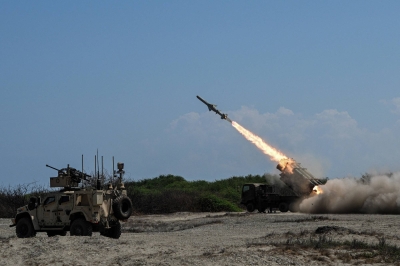
The Japanese defense sector has historically been dominated by established contractors. However, recent changes in the security landscape and proactive measures by the Ministry of Defense are opening doors for defense startups. The Ministry's Acquisition, Technology & Logistics Agency (ATLA) has published guidelines urging faster procurement, clearer expectations, collaborations with major contractors, and efforts to attract private investment.
The government has also highlighted advanced technology, research and development, and a stronger defense industrial base as key priorities.
As drones and software become more prevalent on the battlefield, Japan recognizes that it requires more than just traditional defense contractors. This has led to a growing interest in defense startups. However, the nature of defense procurement presents unique challenges for these companies. In civilian markets, startups can freely identify customers, set prices, and tailor products to meet customer needs.
In defense, this is not possible. The state essentially serves as the customer, with sales opportunities determined by the Ministry of Defense and ATLA, budget allocations, technical evaluations, and operational priorities. Demonstration processes can be lengthy, and high levels of confidentiality are necessary.
Starting in this environment requires defense startups to design products with the constraints of public procurement in mind. This may limit their flexibility and ability to innovate quickly. Despite these obstacles, the government's renewed focus on defense startups suggests a potential shift in Japan's defense sector. The key question now is how to bridge the gap between government policy and startup logic to foster a thriving defense-startup ecosystem.
Written by urgent.news from Japan Times's reporting — not their text. Machine-written — may contain errors; check the original before relying on it.