Campaign to expose convicted sex offenders turns spotlight on access to national register
Ian Cameron’s 30-day campaign to identify convicted sex offenders has renewed debate over whether South Africans should receive controlled access to the National Register for Sex Offenders.
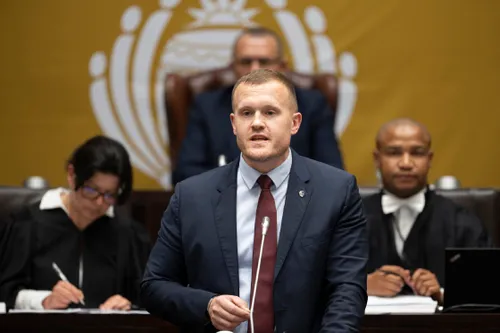
A new campaign is urging the government to make the National Register for Sex Offenders (NRSO) more accessible to the public, despite it remaining closed for nineteen months post-commitment. Portfolio Committee on Police Chairperson Ian Cameron has launched a 30-day campaign to publish daily the photograph, name, conviction, and sentence of an adult sexual offender, using public court records.
The campaign's purpose is to highlight the discrepancy between information accessible through courts and the public's limited access to the NRSO. Cameron clarified that the campaign does not replicate the confidential register and will only feature convictions verifiable from public records. The NRSO aims to record offenders against children and other vulnerable individuals.
While employers in sectors working with vulnerable groups can conduct checks, the NRSO is generally not public. The Justice Department has been reviewing the issue for over a year, with Justice Minister Mmamoloko Kubayi stating that Section 52 of the Criminal Law (Sexual Offences and Related Matters) Amendment Act prevents the public publication of information from the NRSO, except for specific purposes.
This has led to calls for a law of general application to amend the existing law, with BOSA deputy leader Nobuntu Hlazo-Webster questioning the status of these amendments after they were drafted. Hlazo-Webster emphasized the public's right to know about the effectiveness of the system designed to protect children and vulnerable people.
She also questioned why the NRSO has remained inaccessible a year after the commitment to change the law. Hlazo-Webster called for a clear timeline and safeguards to ensure transparent operations. The Kwanele Foundation supports greater public access, stressing the need for safeguards to prevent the publication of victims' identities and to focus only on offenders convicted in court.
Written by urgent.news from IOL's reporting — not their text. Machine-written — may contain errors; check the original before relying on it.
This story
This is one outlet's version. Read the fullest account.