Boost for aerial surveillance: DRDO conducts flight-trial of high-altitude platform
The Defence Research and Development Organisation successfully conducted a flight trial of a high-altitude platform, reaching an impressive altitude of 21 kilometers and sustaining flight at 20 kilometers for over thirty minutes. This platform is aimed at enhancing long-endurance aerial surveillance and intelligence gathering. Flight data analysis revealed that it met performance expectations.…
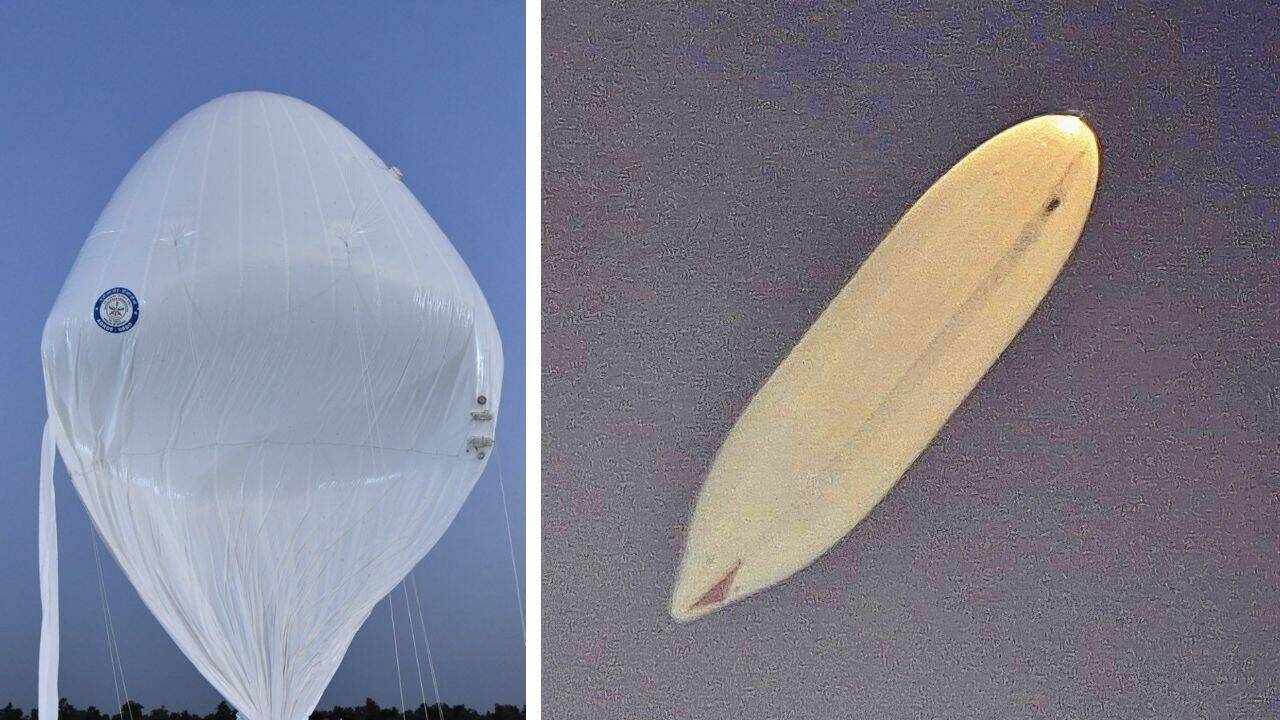
In a significant advancement for India's aerial surveillance capabilities, the Defence Research and Development Organisation (DRDO) has successfully tested an indigenously developed high-altitude platform (HAPS). The experimental flight reached a height of 21 kilometers above mean sea level and sustained its altitude at 20 kilometers for over 30 minutes before descending back to the ground.
The system, designed for long-endurance aerial surveillance and earth observation, was recaptured, and its flight performance data was thoroughly analyzed by the defense ministry.
Defence Minister Rajnath Singh expressed his appreciation for DRDO, the Indian Air Force (IAF), Public Sector Undertakings (PSUs), and the industry for their contribution to the successful flight trial of the HAPS. The trial, marked as a crucial milestone in India's journey towards self-reliance (Aatmanirbhar Bharat), aims to establish a long-endurance stratospheric airship for surveillance and intelligence gathering.
The high-altitude platform, developed by the Aerial Delivery Research and Development Establishment (ADRDE) in Agra, is a lighter-than-air system designed for extended surveillance missions. Real-time video data and other critical vehicle parameters were collected from the airborne platform during the entire flight, demonstrating its intended performance.
The system was equipped with various instrumentation, including an inertial measurement unit, global positioning system receiver, onboard cameras, altitude control mechanism, and other sub-systems.
The flight trial was conducted in coordination with multiple agencies, including the IAF, Directorate General of Civil Aviation (DGCA), Airports Authority of India (AAI), the Centre for Military Airworthiness and Certification, and other civil authorities. Defence Secretary Rajesh Kumar Singh congratulated the teams involved in the successful flight trial of the high-altitude airship platform.
Rewritten by urgent.news; may contain errors — check the original.
Source: timesofindia.indiatimes.com