BoJ may indicate underlying inflation is near the 2% target, sources say
The Bank of Japan (BoJ) could indicate later this month that underlying inflation has reached nearly its 2% target, according to three sources familiar with the central bank’s thinking. Such a signal would underscore the BoJ’s willingness to resume raising interest rates in the coming months.
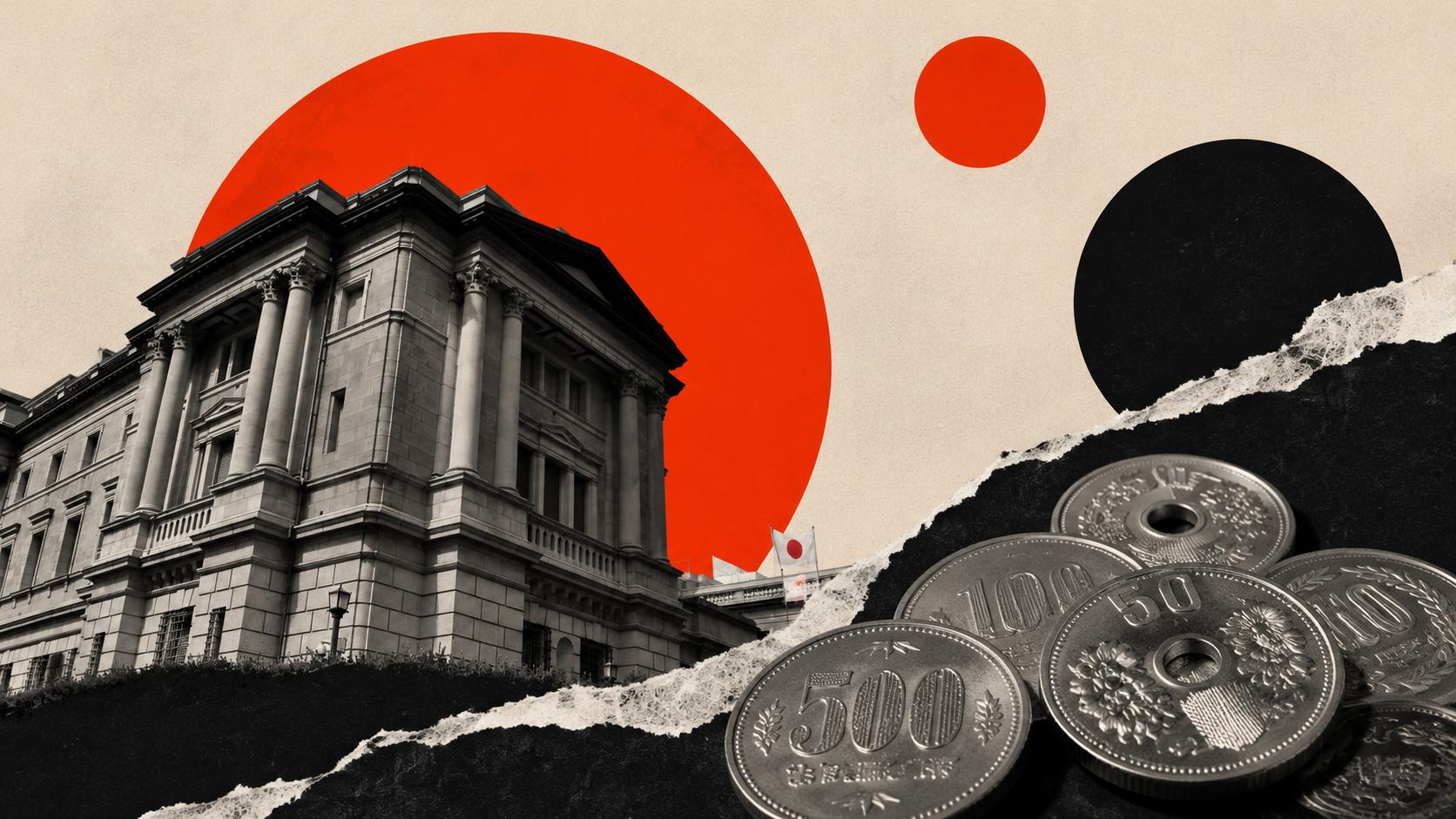
The Bank of Japan (BoJ) may signal as early as this month that underlying inflation is nearing its 2% objective, according to three sources familiar with the central bank's deliberations. This indication would reflect the BoJ's readiness to commence interest rate hikes again in the months ahead. While such a statement would carry symbolic weight, it could bolster market anticipation for a December rate increase and show that the central bank is prepared to raise borrowing costs at relatively brief intervals.
Sources indicate that after the September rate hike, some BoJ policymakers remain skeptical about initiating another increase this month. They would instead await additional economic data and assess the effects of prior rate hikes on domestic financial conditions before taking any further action. As of now, the USD/JPY pair is trading up 0.15% on the day at 158.15.
The Bank of Japan, responsible for setting monetary policy in Japan, aims to maintain price stability with an inflation target of around 2%. The Bank introduced an ultra-loose monetary policy in 2013 to spur the economy and push inflation amid a low-inflation environment. In 2016, the BoJ intensified its strategy by adopting negative interest rates and directly controlling the yield of 10-year government bonds.
In March 2024, the Bank shifted away from its ultra-loose policy stance by raising interest rates. This move led to the Yen losing value against major currencies, exacerbating the situation in 2022 and 2023 due to diverging policies among major central banks. Nonetheless, the BoJ's policy shift has partly reversed in 2024, with a weaker Yen and surging global energy prices contributing to Japanese inflation surpassing the 2% target.
The potential for wage growth in Japan, a key driver of inflation, has also played a role. While the US Dollar has strengthened amid a lack of hawkish signals from the BoJ and risks of an early intervention from the Federal Reserve, gold prices have seen modest declines and remain above the $4,100 mark.
Written by urgent.news from FXStreet's reporting — not their text. Machine-written — may contain errors; check the original before relying on it.
Also reported by 4 other outlets
- BOJ may signal underlying inflation has hit 2% goal: sources businesstimes.com.sg
- BOJ may signal underlying inflation has hit 2% goal, sources say channelnewsasia.com
- BOJ may signal underlying inflation has hit 2% goal, sources say brecorder.com
- BOJ may signal underlying inflation has hit 2% goal, sources say investing.com