Astronomers find ‘phoenix planet’ born from ashes of a dying star
A team of astronomers has discovered a second-generation planet orbiting a white dwarf named HS 0209+0832. This planet formed from the material that the white dwarf expelled during its death. The atmosphere of the white dwarf contains heavy elements such as zinc, copper, and niobium. This discovery could change the way astronomers search for similar planets around dead stars.
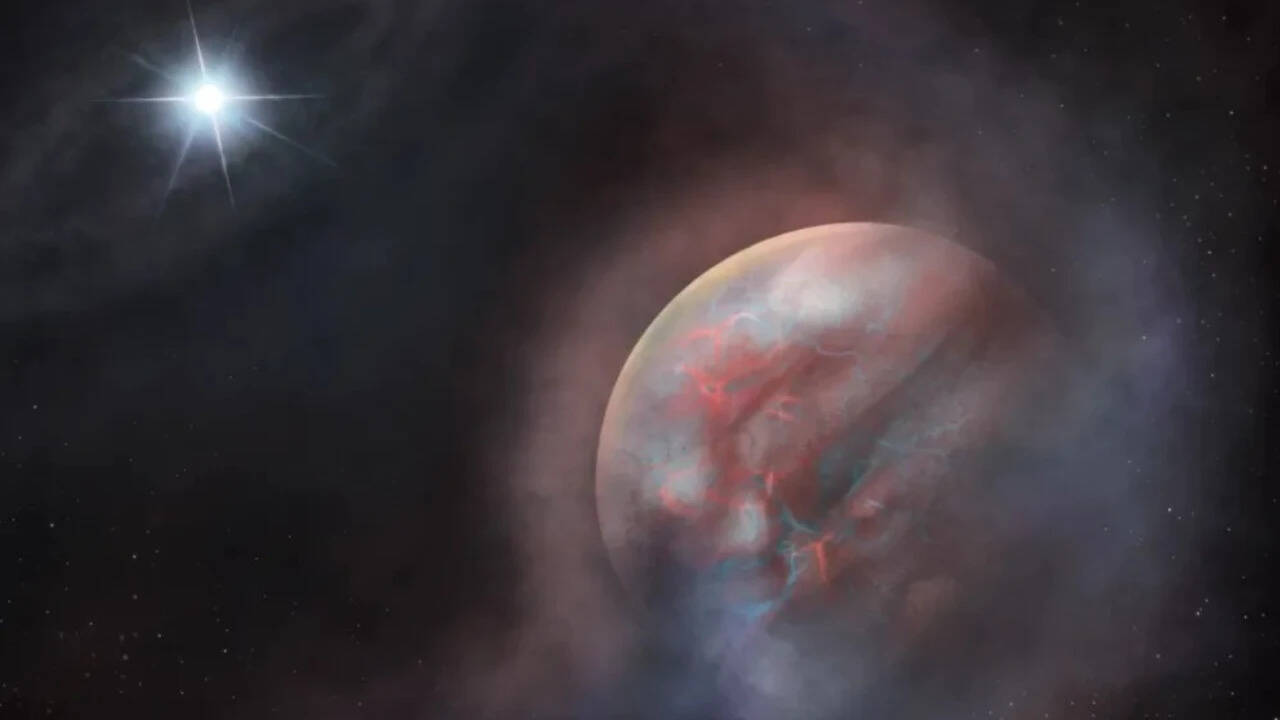
Astronomers have made a groundbreaking discovery of a rare second-generation planet orbiting a white dwarf, a dead star from which it was born. White dwarfs are the collapsed cores left behind when stars exhaust their fuel, and are known to draw in nearby material from planets. This chemical signature provides vital clues about the planets in orbit. While similar reborn worlds have been theorized to exist around pulsars, the latest discovery confirms that second-generation planets can indeed form around white dwarfs.
The research, published in Nature Astronomy and funded by the European Research Council (ERC), focused on white dwarf HS 0209+0832, whose atmosphere contained an unusual chemical composition. The star's atmosphere exhibited unusually high levels of heavy elements, including zinc, copper, and niobium, found at levels over 1,000 times greater than those found in the Sun. Niobium, in particular, was detected for the first time in a white dwarf.
Data from NASA's TESS satellite further supported the findings, revealing a faint and regular brightness signal from the planet, which completed an orbit every 4.4 days. This signal indicated that the planet is a Jupiter-sized gas giant, which is tidally locked to the white dwarf and located in a tight orbit. The intense radiation from the white dwarf causes the planet's outer atmosphere to evaporate, with the escaping material raining down onto the star's surface and causing the unusual chemical signature.
Professor Boris Gänsicke and Dr. Nicholas Stone, both from the University of Warwick, emphasized the significance of this discovery. The planet around HS 0209+0832 is believed to have formed from the very material expelled by its own star during its death throes. In essence, the white dwarf is feeding on a newly formed, second-generation giant planet, which condensed from a disc of material formed during the star's death.
This unique discovery opens up new avenues for searching for other reborn worlds by searching for the same carbon and heavy-element signature in the light of other dead stars.
Written by urgent.news from Times of India's reporting — not their text. Machine-written — may contain errors; check the original before relying on it.