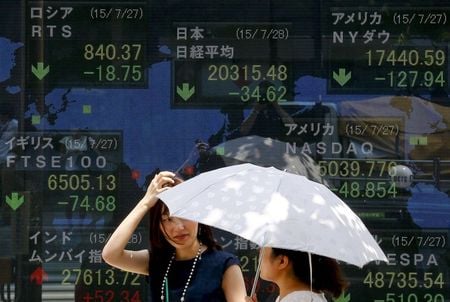
Asian currencies mixed as dollar climbs, euro nears 17-month low
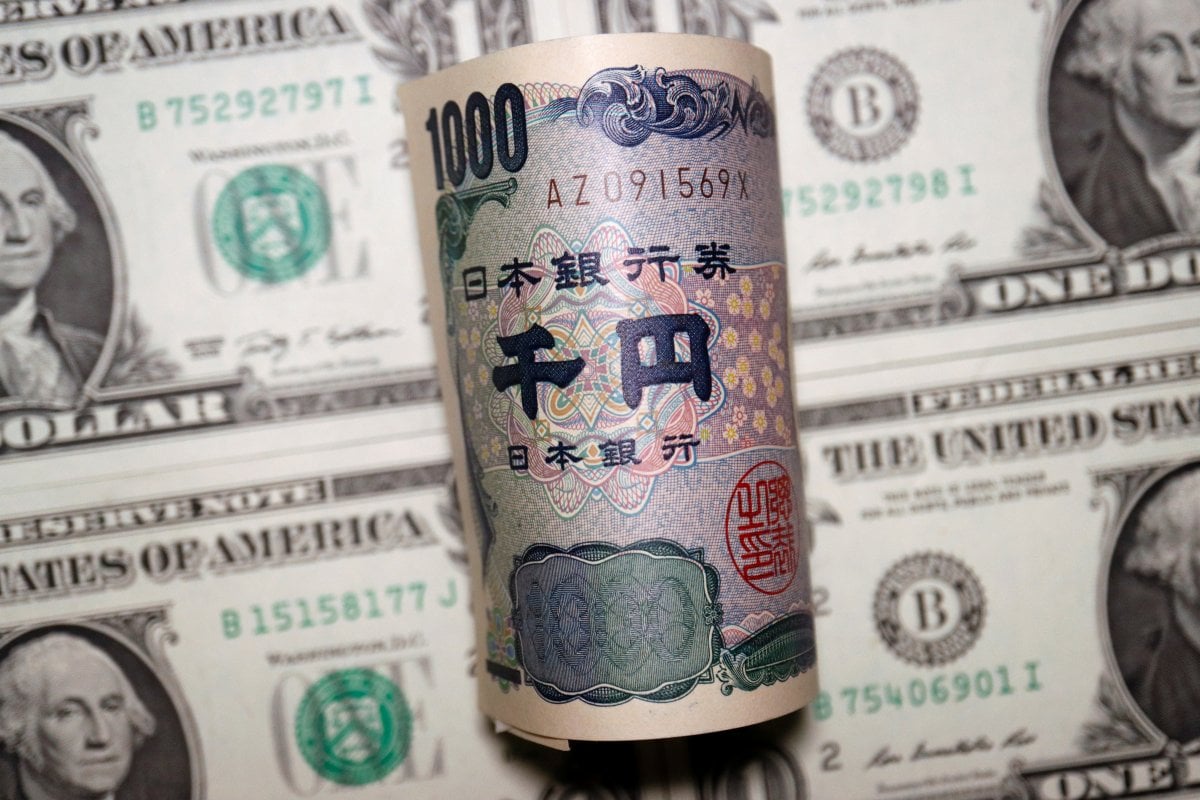
Asian currencies remained largely stable on Tuesday, as the U.S. dollar climbed to an 18-month high and the euro neared a 17-month low, amid elevated Treasury yields supporting the greenback. The U.S. dollar index stood at around 102.11, slightly unchanged after reaching 102.21, its 18-month peak the day before. The EUR/USD pair hovered near 1.123, while the GBP/USD climbed marginally to 1.3224.
The USD/JPY pair remained steady at approximately 157.92, and the AUD/USD and NZD/USD pairs were at $0.698 and $0.560, respectively. Despite weaker-than-expected U.S. jobs data dampening hopes for an immediate Federal Reserve rate hike, investors still anticipate potential Fed tightening later, given persistently high inflation risks.
September's U.S. services sector saw a slowdown, but robust domestic demand spurred supply chain pressures and higher business input costs, signaling possible inflation continuation into the next year. The rise in Treasury yields has been a key backing for the dollar, with longer-dated U.S. borrowing costs remaining elevated as markets assess inflation, fiscal risks, and the monetary policy outlook.
The EUR/USD pair fell to its lowest level since May 2025, with the euro extending a roughly 1.2% weekly decline due to political uncertainty, fiscal concerns, higher energy costs, and potential impacts on regional growth and inflation. Meanwhile, the Indian rupee is anticipated to open slightly weaker, with the USD/INR pair around 96.58, as higher long-dated U.S. Treasury yields and euro-driven dollar strength weigh on the currency.
The Reserve Bank of India is anticipated to maintain support for the rupee through market interventions, aiming to mitigate further depreciation. The Chinese yuan remained relatively stable, with the USD/CNH and USD/CNY pairs at 6.702 and 6.705, respectively, as China is currently observing a week-long National Day holiday, resulting in subdued onshore trading activity.
Written by urgent.news from Investing.com's reporting — not their text. Machine-written — may contain errors; check the original before relying on it.