Analysis: KRL import stopgap highlights INKA’s deeper problems
The decision by PT Kereta Api Indonesia (KAI) to recall several electric trains produced by PT Industri Kereta Api (INKA) for its Commuter Line service adds to the challenges facing the state-owned rolling stock manufacturer, which is struggling with high debt and production constraints amid a planned merger with KAI. Meanwhile, government approval to import secondhand rolling stock from Japan…
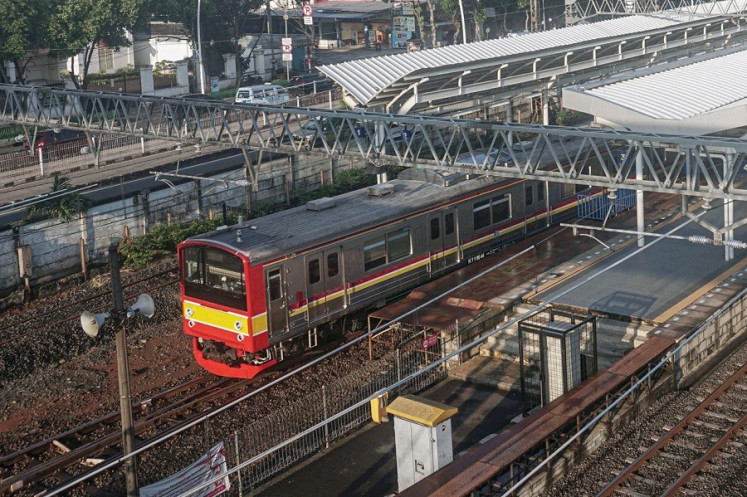
The Indonesian state railway manufacturer, PT Industri Kereta Api (INKA), is grappling with significant production challenges that have led to the recall of electric trains for the Commuter Line service. This move by PT Kereta Api Indonesia (KAI) follows a derailed train incident, highlighting deeper issues within INKA's operations.
Government approval for importing secondhand trains from Japan offers a temporary solution to KAI's train shortage. However, this reliance on imports could continue until INKA's production capacity and domestic supply chain are bolstered. A train derailment in Jakarta in September resulted in the suspension of 17 commuter trips on the Jakarta Kota-Bogor route, reducing daily trips from 1,065 to 1,048.
In late 2025, an incident involving INKA's iE305 electric train, or CLI 225, gained public attention due to a door malfunction. Following inspections, seven electric trains manufactured by INKA were recalled due to a fracture in a safety-critical undercarriage component. While two trains have been cleared, the remaining five are set to return to service starting October 9.
The recall coincides with rising demand for commuter rail services in Greater Jakarta and INKA's delays in fulfilling KAI's orders. The railway operator faces a shortage of 22 trains this year, with demand growing by 11.3 percent in early 2026. However, INKA's production capacity has only reached two to three trains per year, falling short of its annual target of eight units.
To address the immediate gap, KAI has proposed importing 23 used trains from Japan as a short-term measure while the government works to integrate INKA with KAI and boost domestic production to 15 trains annually. The House of Representatives Committee VI approved the import plan, provided that efforts to develop the domestic railway industry continue. KAI must strengthen cooperation with INKA and enhance its manufacturing capability to Technology Readiness Level 9, according to Committee VI deputy chairman Andre Rosiade.
INKA's president director, Eko Purwanto, attributes the company's inability to meet the electric train delivery deadline for KAI Commuter to constraints in the railway component supply chain. The company is reportedly preparing to upgrade its Banyuwangi factory in East Java to increase production capacity, reduce reliance on imported components, and boost local content. KAI also cited INKA's dependence on irregular domestic and export orders as contributing to the delivery delay.
Written by urgent.news from The Jakarta Post's reporting — not their text. Machine-written — may contain errors; check the original before relying on it.