Africa, GCC states advance labour-mobility partnership at Second Doha Dialogue
<p>Doha, Qatar: Senior officials and experts from more than 33 GCC, African and Arab countries convened in Dar es Salaam, Tanzania, for the Second Doha Dialogue on Labour Mobility between Africa and the GCC+.</p> <p>The two-day gathering, being held on October 5-6, is focused on translating shared commitments into practical, measurable co-operation across the labour-mobility cycle. Co-chaired by…
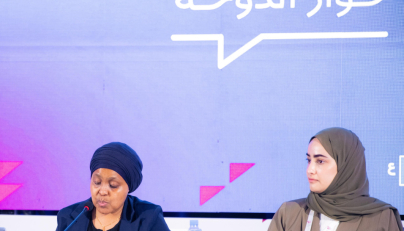
Doha, Qatar - Representatives from over 30 countries in the Gulf Cooperation Council (GCC), Africa, and the Arab world gathered in Tanzania for the Second Doha Dialogue on Labour Mobility. The two-day event, co-chaired by Tanzania, Qatar, and the African Union, aimed to turn shared commitments into concrete cooperation within the labour-mobility process. Participants included national delegations, regional organizations, and international bodies like the International Labour Organization and the Arab Labour Organization.
Qatari Undersecretary for Labour H.E. Sheikha Najwa bint Abdulrahman Al Thani welcomed delegates and praised Tanzania for hosting the dialogue, emphasizing that it demonstrated a shared responsibility among participating states to create a more orderly, equitable, and productive future for labour mobility. She urged delegates to focus on delivering tangible results rather than merely convening meetings and debating issues.
The Doha Declaration on Labour Mobility, adopted in May 2024, laid the groundwork for cooperation. The primary objectives for the dialogue were to define areas for joint implementation, assign clear responsibilities, and establish credible measures of progress. The immediate priorities were skills and labour-market pathways, fair recruitment, decent work, access to justice, and social protection.
Effective action required closer coordination between countries of origin and destination, with integrated and practical solutions.
Written by urgent.news from The Peninsula Qatar's reporting — not their text. Machine-written — may contain errors; check the original before relying on it.