A brutal winter heating bill is coming for some homes
Americans could pay far more to heat their homes with oil this winter than last, a new analysis reviewed by Axios shows, as volatile energy markets and the Iran War deepen the affordability crisis. Why it matters: Heating bills are eating into household budgets before winter sets in, with stark divides between fuel types. By the numbers: Families that heat with oil could pay about 50% more this…
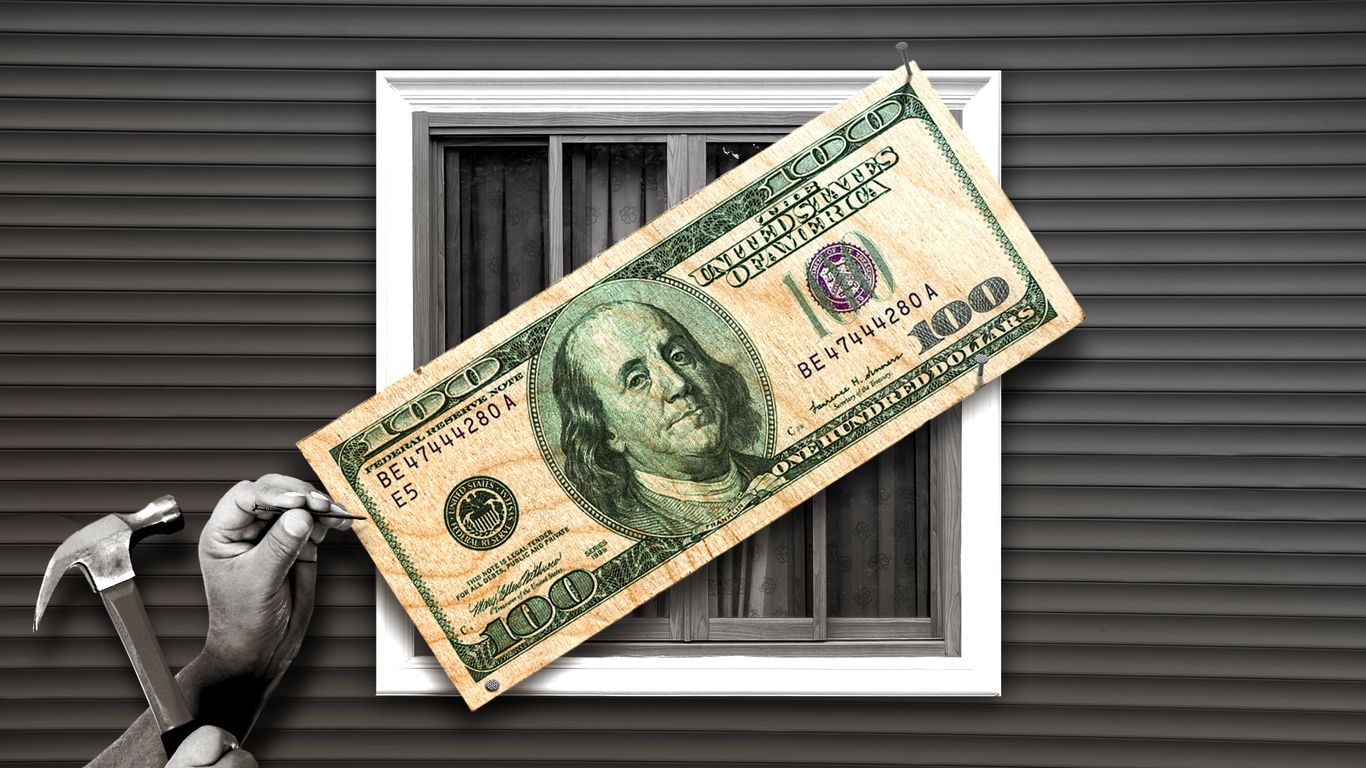
A severe winter heating bill looms for certain homes across the United States, with a new analysis indicating families using oil to heat their residences could face a 50% increase in costs compared to last year, according to the National Energy Assistance Directors Association (NEADA). The average expense for heating with oil is projected to climb by around $878, totaling over $2,600 this winter.
This is in stark contrast to the Energy Information Administration's (EIA) forecast, which predicts a more modest increase of 21% in household heating oil expenditures. The Northeast region is expected to bear the brunt of this financial burden, as a significant portion of oil consumption occurs there, and some states lack adequate natural gas pipelines.
While natural gas bills are anticipated to fall by 9% and propane spending to drop by 3%, the heating oil price surge is driven by volatile global energy markets and declining refinery activity due to the Iran-Ukraine conflict. Mark Wolfe, NEADA's executive director, warns that some families may be forced to cut back on food or medications, borrow from payday lenders, or even reduce their heating to unsafe levels in an effort to cover their bills.
While some states are offering heating assistance, they lack the tools to protect oil-heating customers as effectively as they can for households served by regulated gas and electric utilities. The crisis is further exacerbated by the Trump administration's efforts to dismantle the Low Income Home Energy Assistance Program (LIHEAP), with the administration having already removed LIHEAP's federal staff and proposed eliminating funding for the program.
Written by urgent.news from Axios's reporting — not their text. Machine-written — may contain errors; check the original before relying on it.