16 new fungal species found hiding in Thailand’s flowers
Researchers surveying garden and wild flowers across northern Thailand have uncovered 16 previously unknown species of black, yeast-like fungi living inside the flowers, according to a recent study. The newly described fungi belong to the Aureobasidium genus, a commonly occurring group of yeast that can be found almost everywhere, from air and human skin, to […]
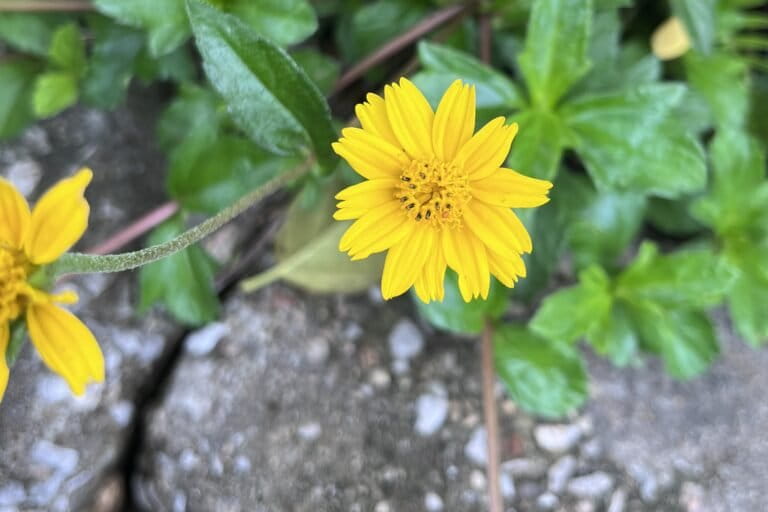
Researchers from Chiang Mai University and Kasetsart University in Thailand have discovered 16 new species of black, yeast-like fungi hidden within the flowers of various plants in northern Thailand, according to a recent study. The fungi belong to the Aureobasidium genus, a common group of yeast found in diverse environments such as air, human skin, water, rocks, soils, and wood.
The researchers found the 16 new species growing on 31 different flowering plants, including popular varieties like bougainvillea, vinca, and butter daisy. Many of these newly described fungi have names derived from their host plants, such as A. bougainvilleae and A. catharanthi, which pay homage to their respective host genera, Bougainvillea and Catharanthus.
Other fungi were named after their collection sites, including A. chiangmaiense and A. kwanphayaoense, which are derived from the name of the province and Kwan Phayao Lake, respectively.
Two of the new species were named in tribute to well-known Thai mycologists, or fungi experts. A. saisamorniae is named after Saisamorn Lumyong, a professor at Chiang Mai University, while A. savitreeae honors Savitree Limtong, a professor at Kasetsart University. Nakarin Suwannarach, co-author of the study and a professor at Chiang Mai University, explained that the researchers aimed to create names that conveyed a story about the fungi's origins or the individuals who contributed to the advancement of mycological research in Thailand.
In addition to the 16 newly discovered species, the researchers also identified four previously undocumented fungal species in Thailand. This study was motivated by the researchers' desire to expand our understanding of fungal diversity in the region.
Written by urgent.news from Mongabay's reporting — not their text. Machine-written — may contain errors; check the original before relying on it.