Women s financial wellbeing an investment in business resilience
For a woman leading a business the value of finance becomes clear at turning points from fulfilling an order and preparing for a drought to investing in a technology upgrade A loan matters because of the choices it makes possible
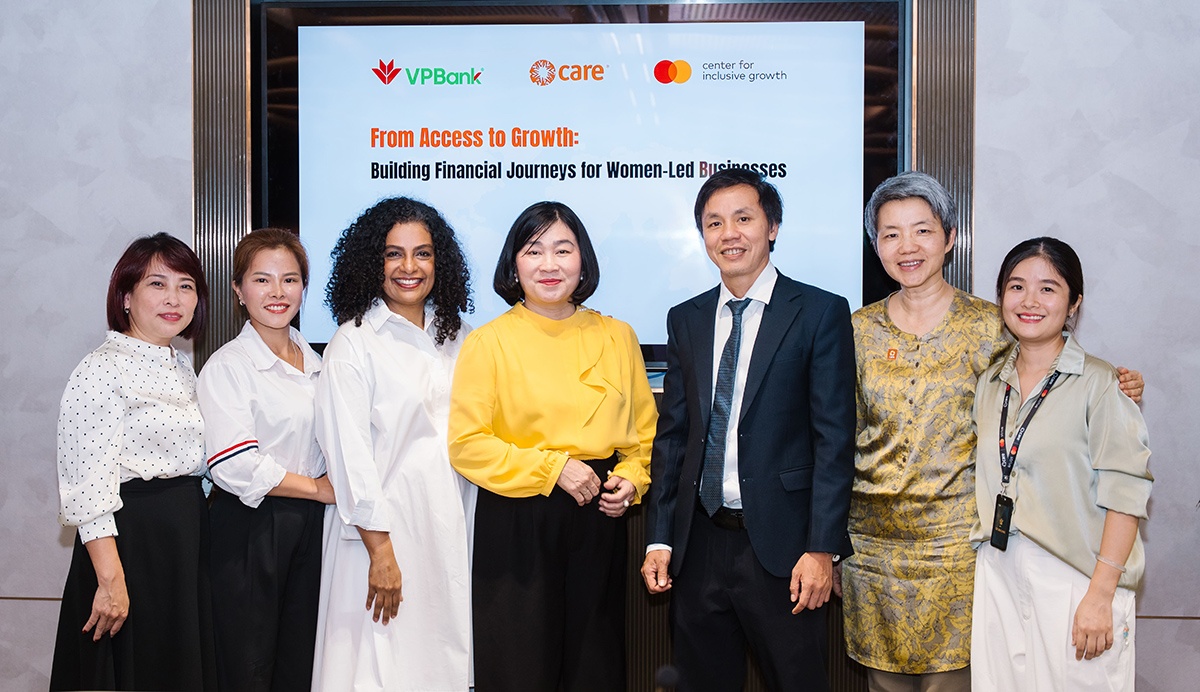
Women’s financial wellbeing is crucial for business resilience, especially in Vietnam. Access to financial services is the first step, but the ultimate goal is giving women the capability to manage daily tasks, handle disruptions, and confidently invest in their future. This approach benefits both the businesses and the economy as a whole.
For banks and investors, understanding an entrepreneur’s business cycle, growth goals, and risk exposure helps identify financing needs that standard loans might miss. Three women entrepreneurs demonstrate the importance of tailored financial support.
Luong Ngoc Ha, founder of Star Vietnam Global Electrical Machinery, supplies equipment across Vietnam, Laos, and Cambodia. As his company grew, its financial needs became more complex, requiring flexible working capital and digital banking tools for managing transactions across markets. Ha emphasizes that cybersecurity is increasingly important as businesses move transactions online. Convenient systems that can be trusted enable lasting value.
Tran Thi Thu Trang, general director of Song Ma Company, which runs a taxi service, obtained initial financing to purchase 12 second-hand cars in 2012. Despite initial difficulties securing bank support due to her limited management experience, her company expanded to nearly 700 vehicles before the pandemic. Now, Trang must decide on transitioning to electric vehicles, which could lower operating costs but requires significant upfront investment.
Tailored financing products that cover both initial costs and long-term savings could support such transitions.
Tran Thi Vuong, founder and CEO of Thach An Food Processing, processes black grass jelly from Cao Bang province. Building her business required investments in facilities, equipment, and food safety measures. When collateral requirements limited her borrowing, Vuong sold some of her personal land and property. Growing demand for raw materials, harvested only once a year, created recurring financing challenges.
Early unsecured loans from VPBank helped Vuong continue operations during the pandemic, and she now aims to maintain two years of raw material reserves to mitigate supply disruptions from poor harvests. Vuong’s experience highlights how financial services that consider the agricultural cycle can help companies prepare for and recover from supply shocks.
These case studies suggest that financial institutions should design products that match the unique operating patterns of female entrepreneurs. They should also assess lending applications based on cash flow and business prospects, not just collateral. Offering financial support alongside practical guidance—such as advice on documentation, digital security, and financial management—can empower entrepreneurs to use these tools effectively.
Ultimately, financial institutions should evaluate success based on business outcomes, such as an entrepreneur’s ability to manage supply shocks, invest in efficiency, or pursue new opportunities. By responding to the specific realities of women entrepreneurs, financial providers can contribute to economic resilience and growth.
Written by urgent.news from Vietnam Investment Review's reporting — not their text. Machine-written — may contain errors; check the original before relying on it.