Why protecting home values is Beijing’s new priority
For decades, China’s property sector was defined by spectacular scale: farmland transformed into suburbs, skylines rising across regional hubs and, more recently, the prominent unravelling of heavily indebted developers. Yet beneath those dramatic changes, a far quieter and more consequential transformation is taking shape. Official figures published by the National Bureau of Statistics in…
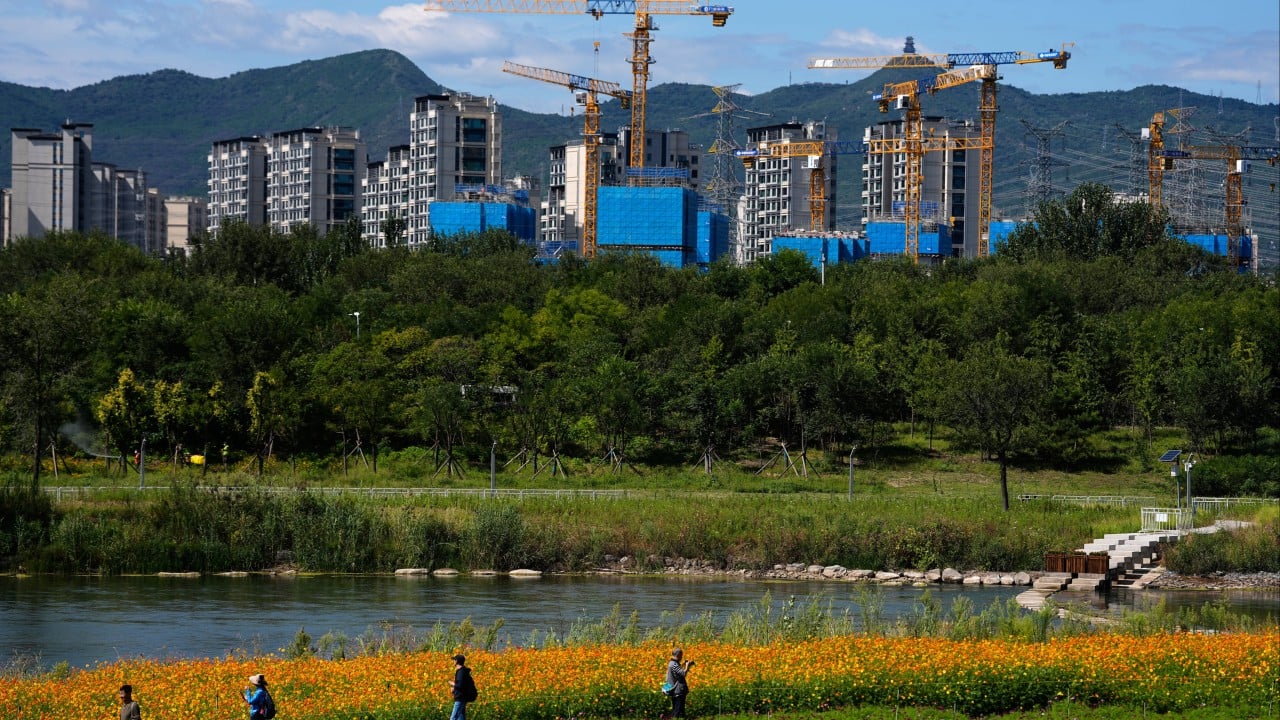
Beijing's new priority is to protect home values as the Chinese property sector undergoes a significant transformation. Secondary market home transactions now surpass new residential builds in volume, indicating that housing demand in China has migrated to existing properties. This marks a shift from the previous high-velocity loop of developers acquiring land, pre-selling unfinished apartments, collecting buyer cash and financing future projects.
The centre of gravity is moving from developers selling a promise of tomorrow to households trading the homes they already own. This shift reflects a change in policy and how households view housing. While policymakers previously relied on measures like lower down payments, cheaper mortgages and local incentives, these are now facing a more fundamental reality.
Many families now view buying a home as a way to protect an asset that makes up a large portion of their wealth, rather than just a bet on rising prices. Existing properties offer certainty, as they can be inspected, occupied and transferred immediately, and also serve as a platform for price discovery. The challenge for policymakers is that measures designed to make new homes more attractive may actually weaken the perceived value of existing ones.
While supporting new construction can boost short-term activity, preserving confidence in the existing housing stock is now a separate economic priority. A healthy market for existing homes can stabilize household wealth, but it does not generate the same fiscal and financial benefits as new construction. State-backed companies like China Resources Land and China Overseas Land and Investment are shifting their focus from volume expansion to asset management and urban renewal, extracting long-term value from existing urban stock.
Recent policy changes are aligning with this shift, emphasizing completed home sales and tightening presale requirements. However, this change in focus means that protecting wealth may now matter more than expanding scale. China is no longer a country with a simple shortage of housing, as urban living space has increased to 42 square meters per person, and property already constitutes the dominant component of household wealth.
In the years ahead, China's housing market will be measured by how much value the existing housing stock can retain, rather than by the number of new homes added.
Written by urgent.news from South China Morning Post's reporting — not their text. Machine-written — may contain errors; check the original before relying on it.