Why Poppins Payroll Data Breach Is Particularly Concerning
Poppins Payroll's data breach could leave people's information at risk of being stolen and used for years.
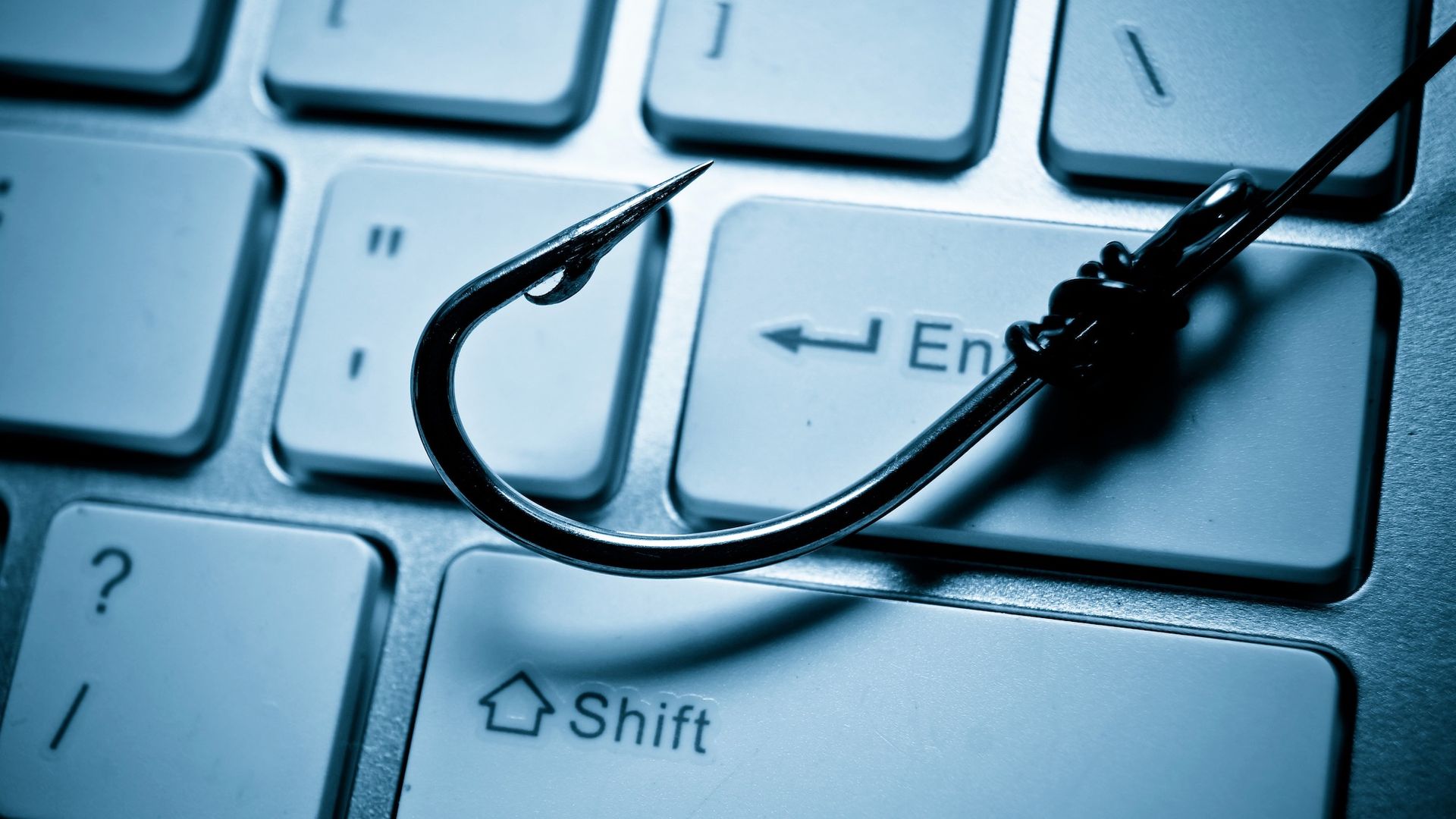
Poppins Payroll, a popular payroll service for parents paying nannies, recently disclosed a significant data breach that may have exposed sensitive personal details of over 65,000 families since its inception in 2016. The breach, detected on September 3, 2022, saw unauthorized access to customer information through a security flaw in Metabase, a software tool utilized by Poppins.
The compromised data includes Social Security numbers, birth dates, and financial account numbers, which, if misused, could allow cybercriminals to assume victims' identities.
In a letter to customers, Poppins stated that there was no evidence of misuse of the stolen data, yet acknowledged the potential for future fraud. They offered impacted customers two years of free credit monitoring and identity protection. Zachary Lewis, a cybersecurity expert, emphasized that while many Americans may have already fallen victim to similar breaches, the exposure of payroll data puts individuals at increased risk.
He advised customers to consider freezing their credit with the major credit bureaus to deter potential misuse.
Despite the company's efforts to notify customers and provide security measures, Poppins' delayed notification of the breach, occurring 26 days after detection, has sparked frustration among affected users. Law firms, including Edelson Lechtzin LLP, have initiated investigations into the breach and discussed the possibility of pursuing a class-action lawsuit against Poppins. The law firm advised customers to preserve any breach-related communications and to obtain an IRS Identity Protection Pin to prevent tax fraud.
Cybersecurity analysts urged customers to remain vigilant against potential follow-up scams, recommending they verify the identity of individuals claiming to represent Poppins, banks, or the IRS before responding.
Written by urgent.news from Newsweek's reporting — not their text. Machine-written — may contain errors; check the original before relying on it.