Why edible oils are bearing the brunt of food inflation
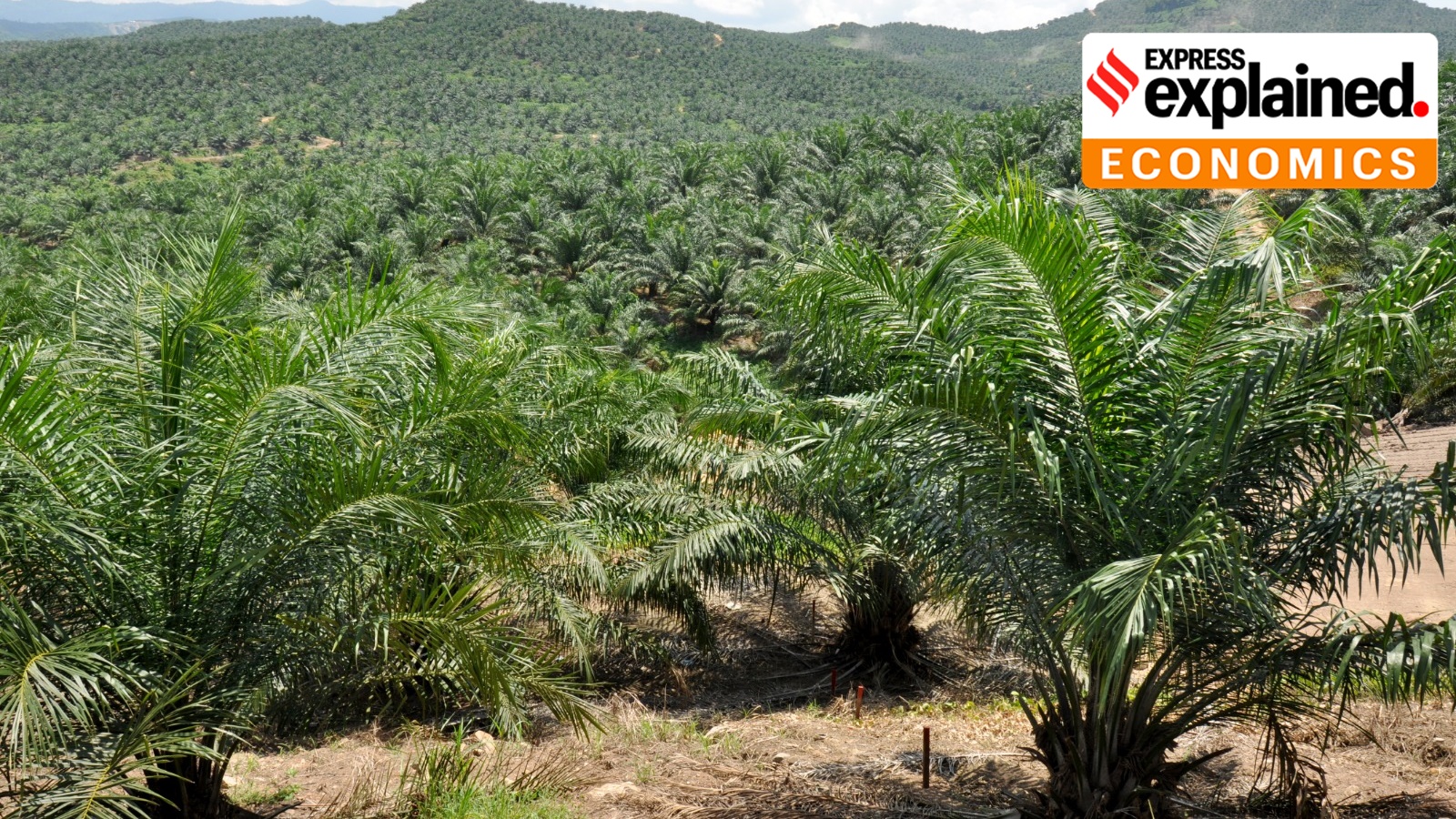
The FAO’s benchmark food price index, which tracks international prices of a basket of commodities, hit an all-time high of 198.6 points in September 2025 - marking a 18.3% increase over the previous month. This was the highest level since November 2022. The rise is largely attributed to the effects of war, El Niño and national biofuel mandates on global food and vegetable oil prices.
Vegetable oils such as palm, soyabean and rapeseed can be chemically converted into Fatty Acid Methyl Esters (FAME) through a process known as transesterification. This results in vegetable oil-based biodiesel, which can be used as a substitute or blended with traditional diesel derived from crude petroleum oil. Approximately a quarter of global production of soyabean oil, palm oil and rapeseed oil is used in the manufacture of biodiesel.
Indonesia, Malaysia and the United States have national biofuel mandates that require oil marketing companies to blend a certain percentage of biofuels into fossil transportation products. Indonesia, for example, mandates the blending of palm oil-based FAME in diesel, with the blend rising from B40 to B50 in 2025 to 2026. This has led to an increase in domestic demand for palm oil, reducing exports.
Similarly, Russia and Ukraine are expected to harvest larger sunflowerseed crops in the 2026-27 season, but logistical constraints in their ports are hindering their ability to export.
Written by urgent.news from The Indian Express's reporting — not their text. Machine-written — may contain errors; check the original before relying on it.
This story
This is one outlet's version. Read the fullest account.
- Why edible oils are bearing the brunt of food inflation indianexpress.com