Why ‘China plus one’ is paying off less than Southeast Asia hoped
"China plus one" sent billions of dollars of investment into Southeast Asian factories. Yet the region isn't capturing enough value.
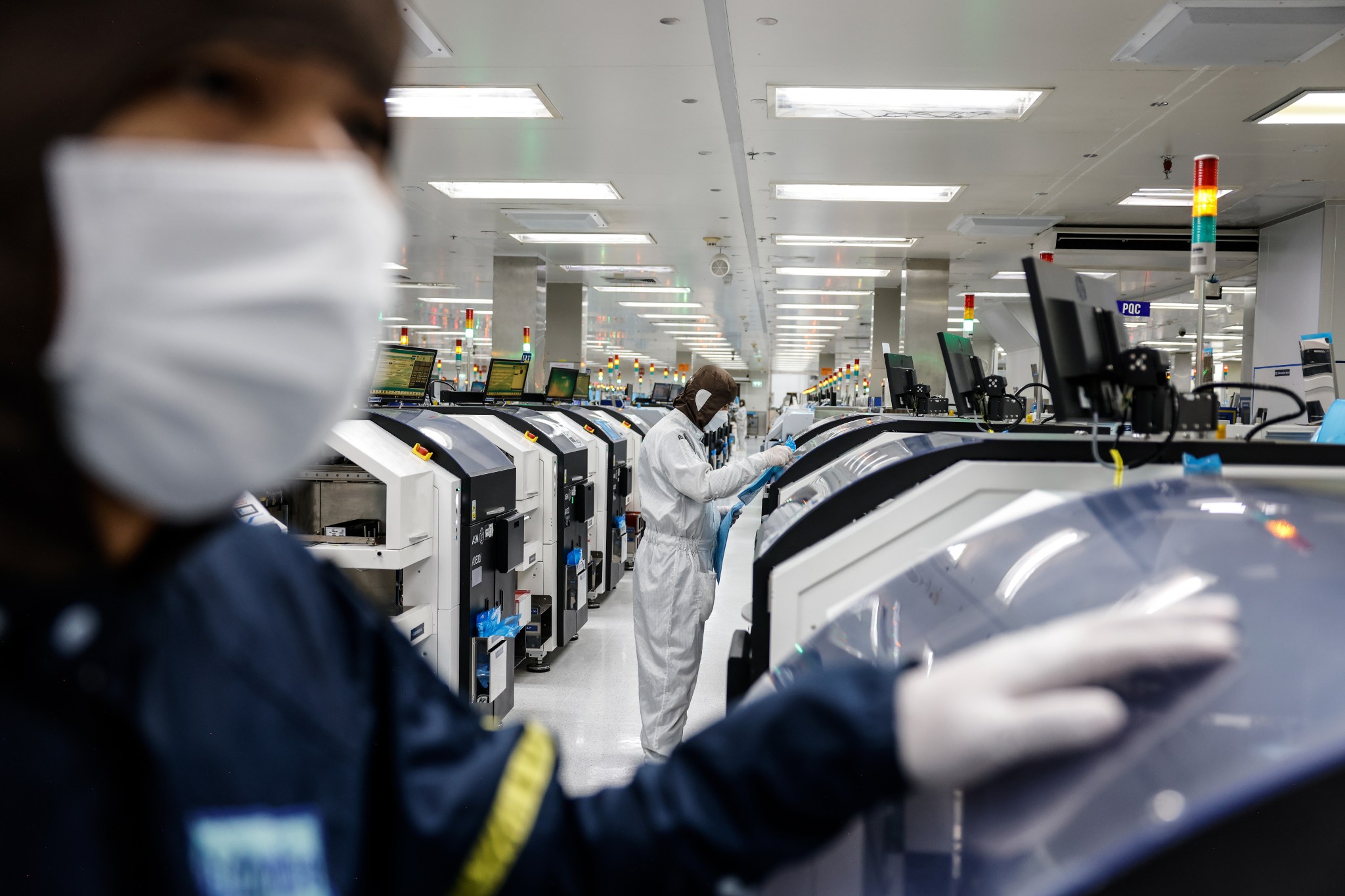
The "China plus one" strategy, which aimed to attract global manufacturers away from China due to rising costs and geopolitical tensions, has been less beneficial for Southeast Asia than hoped. While it brought factories, exports, and jobs to the region, it did not transfer the design, core components, and process know-how that creates most value.
Vietnam, the standout economy in Southeast Asia, focuses primarily on final assembly rather than manufacturing intermediate components. Meanwhile, companies like Target are moving supply chains back to China due to an underdeveloped Southeast Asian factory ecosystem. As Chinese firms view Southeast Asia more as a consumer market than a worker one, a flood of cheap exports could undermine the region's manufacturing gains.
The traditional "flying geese" model, where manufacturing flows from advanced to less-advanced nations, is no longer applicable, as China now aims to keep the supply chain at home and sell into Asia. Southeast Asia's fragmented manufacturing capabilities and reliance on Chinese inputs for production limit the creation of high-value industries.
While Vietnam, Malaysia, and Thailand have benefited from this shift, they largely rely on low-skill assembly roles. China has built a more efficient manufacturing ecosystem, making it difficult for alternative hubs to replicate. Some countries, like Indonesia and Singapore, are trying to capture more value by focusing on specific industries or leveraging their roles as regional hubs.
However, the U.S.'s increasing scrutiny of supply chain practices could impact Southeast Asia's position in the global AI supply chain.
Written by urgent.news from Fortune's reporting — not their text. Machine-written — may contain errors; check the original before relying on it.