Where is oil windfall?
With the prolonged US-Iran war causing disruptions in the global oil market and shooting up the prices of crude, Nigeria has raked in billions of naira in oil windfall in the last six months, Daily Trust can report. While no public record exists of the exact amount made from the windfall, Daily Trust analysis estimates […]
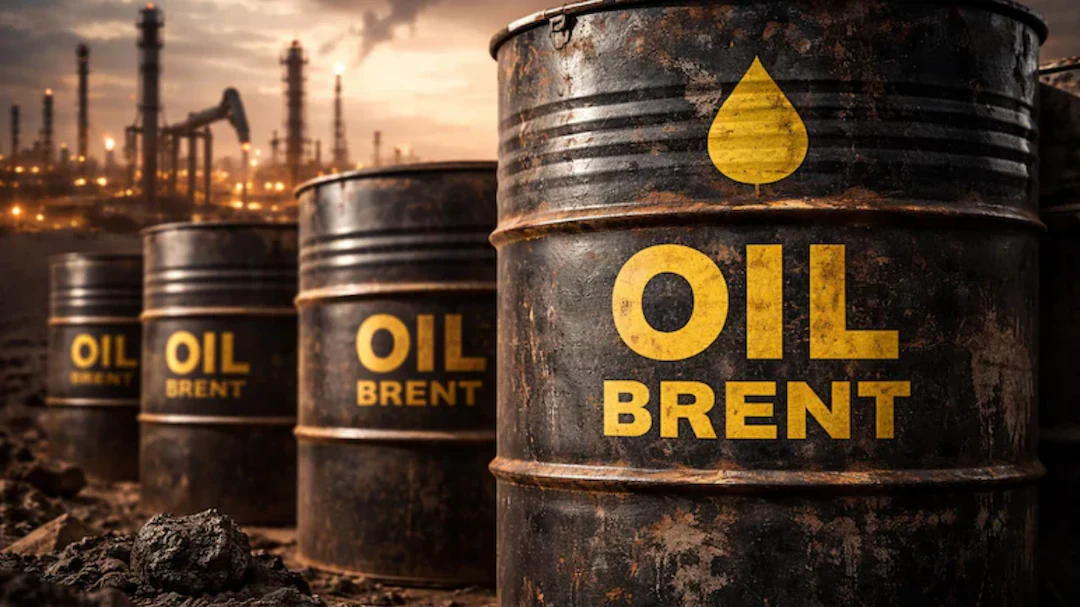
In the wake of the ongoing US-Iran conflict causing disruptions in the global oil market, Nigeria has accumulated substantial oil windfall in recent months, according to Daily Trust's investigation. While the precise amount remains undisclosed, analysts estimate Nigeria may have generated approximately N5 trillion since the beginning of the war in late February 2026.
At the peak of the conflict, with the assassination of Iranian Supreme Leader Ayatollah Khamenei by a joint US-Israeli airstrike, Brent crude prices exceeded $115 per barrel in April, reaching a six-month high of $117. However, as the conflict subsided, prices gradually declined to $85 by June, before reaching a low of $72 in late June. The recent escalation of tensions once again pushed prices above $100 per barrel.
While higher oil prices typically benefit oil-producing countries by bolstering government revenues and foreign-exchange earnings, they also result in increased costs for everyday essentials such as fuel, transport, and food. The N58.47 trillion 2026 budget, initially based on a crude benchmark of $64.85 per barrel, was later revised upwards to N67.7 trillion.
When the bill was approved in April, the crude benchmark was increased to $75 per barrel. With current international crude prices now far surpassing that benchmark, Nigeria stands to gain additional earnings from the market surge.
The early March surge saw Brent crude prices jump 10% to $82 within a day, and by mid-March, they surged to near $120 as the Strait of Hormuz, a critical shipping route controlling one-fifth of the global fuel supply, closed. By April, prices had cooled to an average of $107, but by June, they had eased to $85 due to a Memorandum of Understanding signed between the US and Iran.
However, renewed tensions and escalating violence pushed prices back above $100 per barrel. At an average of $97 per barrel over the six-month period, Nigeria would have earned an extra $22 per barrel above the $75 projection.
The Nigerian Upstream Petroleum Regulatory Commission (NUPRC) reported that crude oil and condensate production averaged 1.6 million barrels per day during the review period, slightly below the 1.8 million barrels per day benchmark set in the 2026 budget. August data showed production at 1.68 million barrels per day, up from 1.67 million barrels per day in July.
The discrepancy between actual production and the projected figure results in an estimated shortfall of 48 million barrels in six months, translating to a revenue gap of approximately $3.6 billion (about N4.78 trillion). This calculation does not account for the crude swap arrangement known as direct sale, direct purchase (DSDP), which repays loans through oil sales.
Written by urgent.news from Daily Trust's reporting — not their text. Machine-written — may contain errors; check the original before relying on it.