What is Zionism?
To understand what the word means today, you have to go back to the beginning of the story.
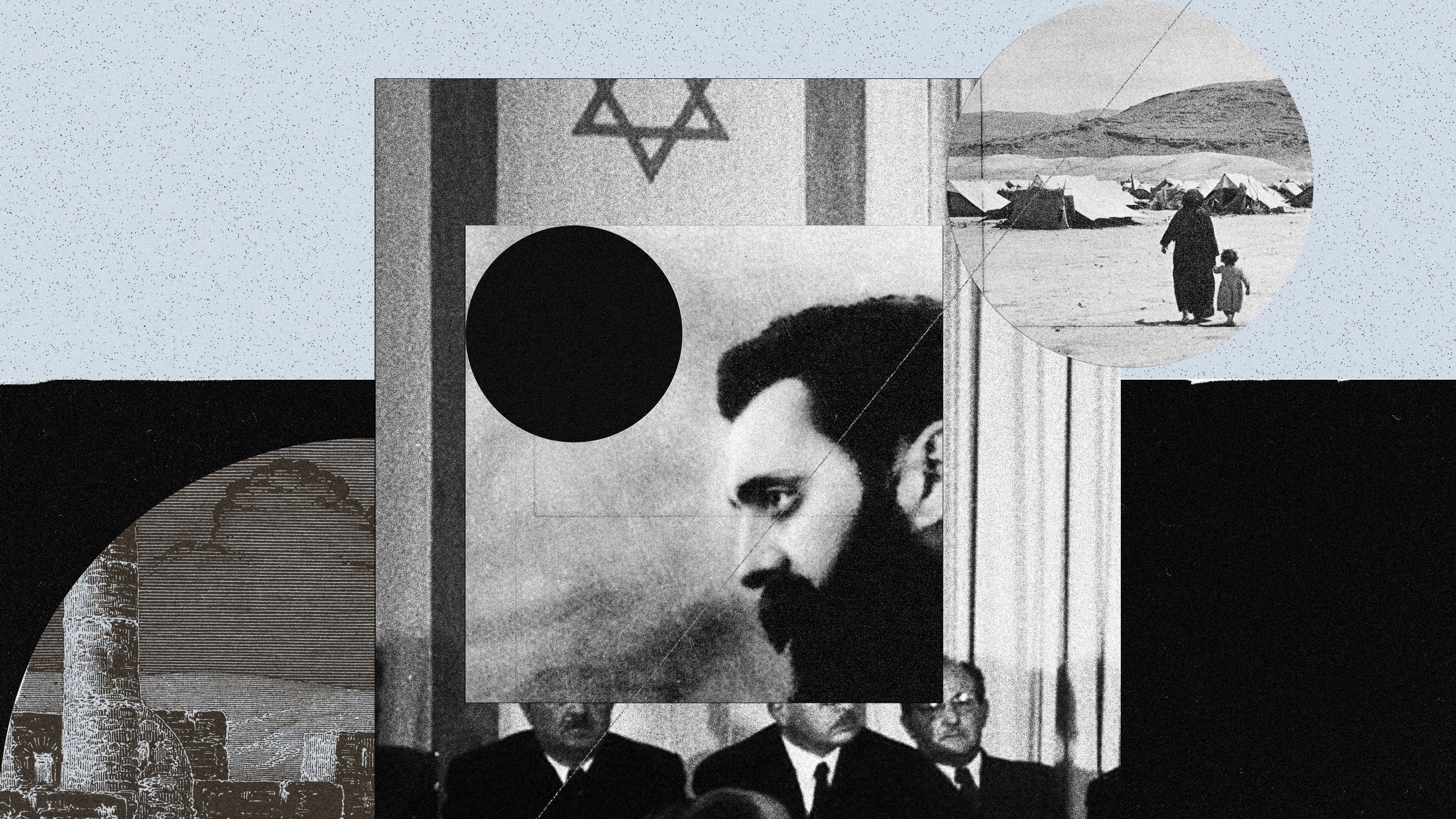
On October 7, 2023, Hamas fighters launched a surprise attack on Israel from the Gaza Strip, resulting in over 1,200 deaths and 251 hostages. This devastating event marked a turning point for both Israel and Palestinians. Israel retaliated with a full-scale invasion of Gaza, leading to the deaths of over 70,000 people, with at least 22,000 of them being combatants. As a consequence, 2 million Palestinians, accounting for 80% of Gaza's population, were displaced from their homes.
Hamas' defeat, however, inadvertently achieved its goal of swaying Western public opinion against Israel. This change in perception was evident when President Joe Biden visited Tel Aviv and declared, "I don’t believe you have to be a Jew to be a Zionist, and I am a Zionist." The term Zionism, originally coined in the 1890s to promote the creation of a Jewish state, gained renewed significance in the aftermath of the Hamas attack. However, the conversation surrounding Zionism has become increasingly polarized and contentious.
Zionism, which once aimed to create a Jewish state, is now often associated with undesirable traits such as Nazism, insanity, and sexual perversion. This negative connotation has caused many Jews to shy away from identifying as Zionists, even though 88% of American and Canadian Jews believe that Israel has the right to exist as a Jewish, democratic state. The term Zio, once used as an anti-Semitic slur, has now been adopted by some anti-Zionist Jews, further complicating the discourse.
The word Zionist has become so toxic that people are reluctant to claim it, and this rhetoric aims to prevent people from embracing the term. The founders of Zionism would have preferred that the word be discarded once the state was established, as they sought to create a country rather than an ideology. Today, Israel is a real place with a diverse population and functioning institutions, making the hatred of Zionism a misguided attack on the country itself.
In conclusion, the controversy surrounding Zionism is a result of its transformation from a political movement to a term associated with negative stereotypes. This shift in perception has caused many Jews to distance themselves from the label, even though the majority supports Israel's right to exist as a Jewish, democratic state. The hatred of Zionism in 2026 is essentially a protest against the actions of the Israeli government, rather than a genuine opposition to the concept of Zionism.
Written by urgent.news from The Atlantic's reporting — not their text. Machine-written — may contain errors; check the original before relying on it.