What disasters will El Niño bring over the next year?
From wildfires to landslides to coral bleaching, past trends suggest what extreme weather the record El Niño will bring – but the world isn’t prepared
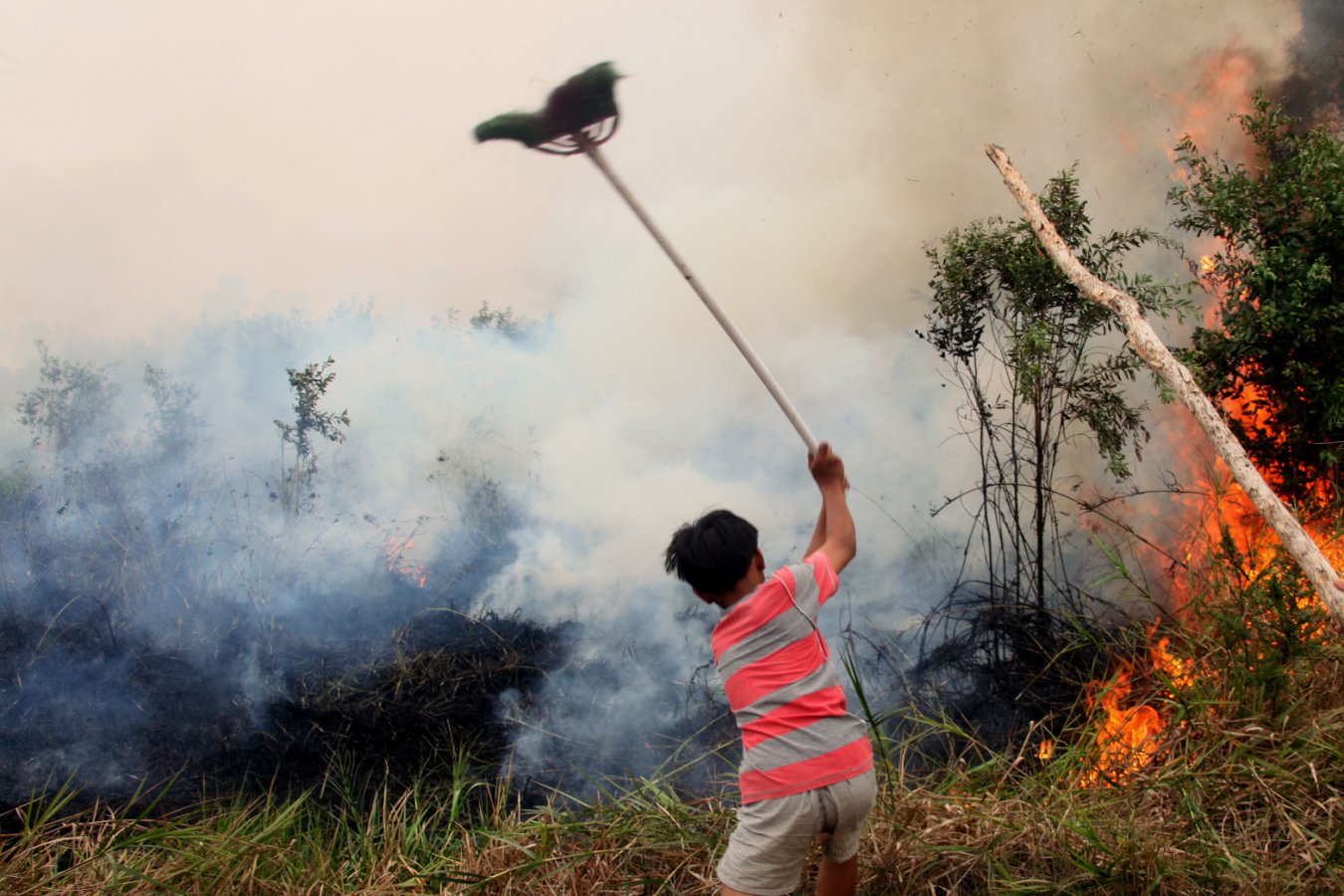
The super El Niño, currently intensifying, will persist for months and unleash extreme weather across the globe. Past events suggest the next year may bring a series of disasters, especially with 1.4°C of global warming already in place.
In October, typhoons are expected to hit East Asia more frequently and with greater intensity due to the altered atmospheric circulation. The weakened winds over the Atlantic will allow more hurricanes to form, while the same winds over the Pacific will reduce shear, enabling typhoons to develop and travel further before making landfall.
From November to December, Africa is anticipated to experience flooding, drought, and disease outbreaks. Southern Ethiopia and South Sudan are already grappling with one of the driest June-September seasons on record, leading to crop failures and famine. As the El Niño strengthens, heavy rainfall and flash floods are expected in southern Ethiopia, Kenya, and Somalia, while the rainfall may reach the lowest levels in 75 years in countries like Malawi, Zambia, and Zimbabwe.
In January and February, flooding and landslides are projected to continue in the Americas, particularly in Peru. Past super El Niños have caused massive rainfall in Peru, turning deserts into lakes, washing away infrastructure, and claiming hundreds of lives. The combination of heavy rains and warmer temperatures could also lead to outbreaks of cholera, leptospirosis, malaria, and Rift Valley fever.
March and April may see a surge in cholera and malaria outbreaks in South America due to the rising waters and warmer temperatures. These conditions could also facilitate the spread of diseases in East Africa, where torrential rains could contaminate drinking water and create breeding grounds for mosquitoes.
Written by urgent.news from New Scientist's reporting — not their text. Machine-written — may contain errors; check the original before relying on it.