What color is a tennis ball?
A while back, I was at physical therapy, and the topic of tennis came up. Someone said something about yellow tennis balls, and I was like… “What? They’re green.” And then someone else chimed in, “No, they’re yellow!” And then someone across the room hollered, “No, they’re obviously green.” There was basically a physical therapy […]
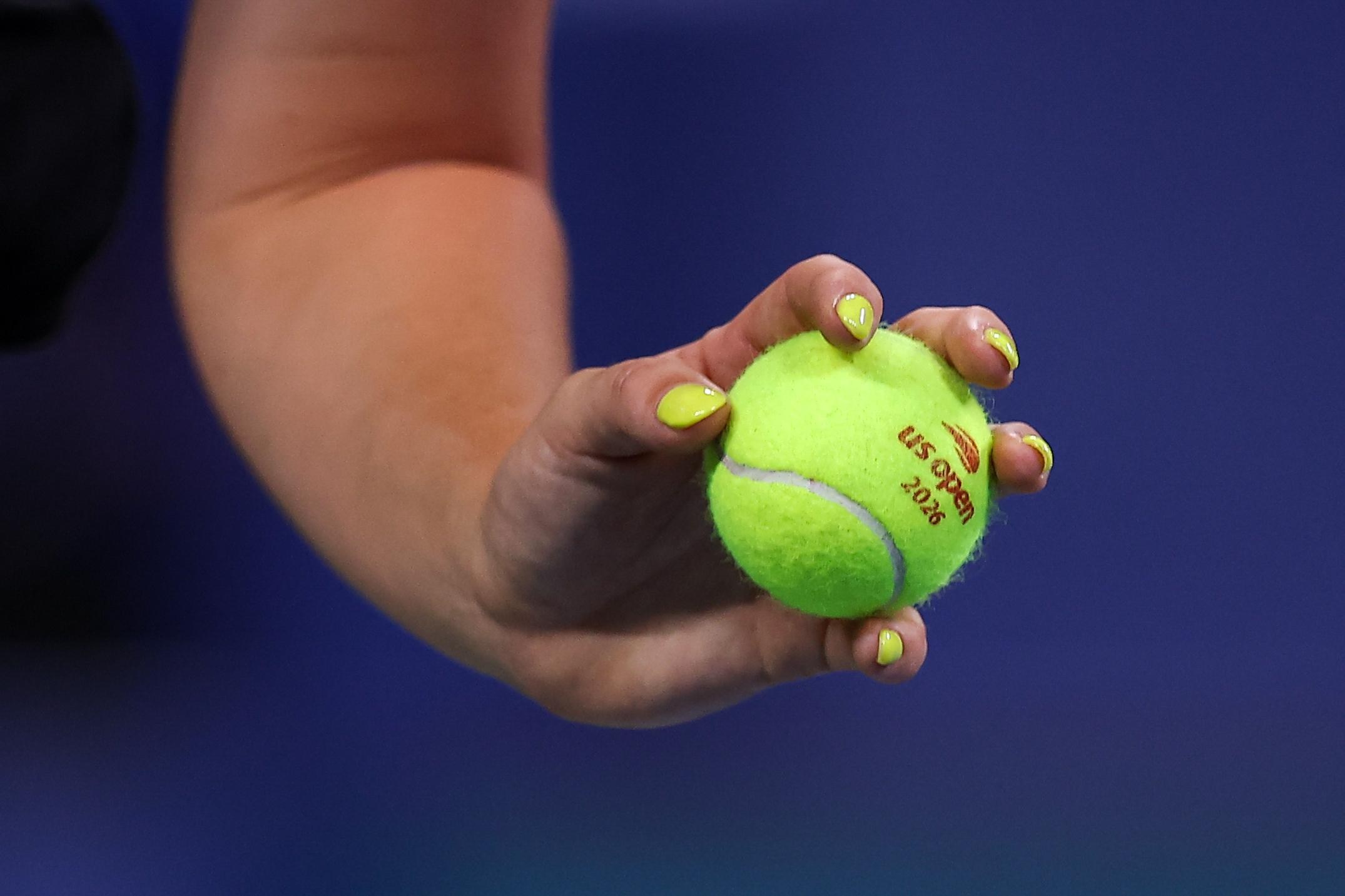
A while back, I was at physical therapy when the topic of tennis came up. Someone mentioned yellow tennis balls, and I thought they were green. However, others insisted they were yellow. This sparked a debate in the therapy room, with people vehemently arguing over the true color of tennis balls. I called neuroscientist Bevil Conway, who explained that there's no such thing as a color.
Conway, a neuroscientist at the National Eye Institute, is working on a book about color and is also an artist. He said that color is not just a filter applied to black and white but involves a significant amount of brain processing. Color is a generative product of the brain that provides reliable information about objects, independent of lighting conditions.
The classic definition of color is the visual feature derived from the wavelength properties of light entering the eye. However, an object's color remains constant despite changes in lighting, a phenomenon known as color constancy. This means that the same object appears the same color under different lighting conditions, defying the notion that color is simply a function of wavelength.
Written by urgent.news from Vox's reporting — not their text. Machine-written — may contain errors; check the original before relying on it.