We Banned the Soul from the Building: On AI, Spiritual Life, and Sustainable Practices for Writing
The literary world is finally asking a question it has dodged for years: What can a human writer do that artificial intelligence cannot? The answers tend to circle around technical and personal aspects of writing, like voice, lived experience, and
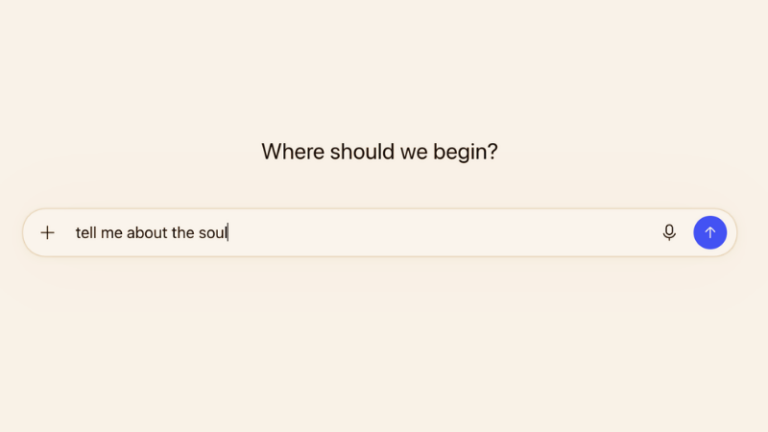
The literary world has started to question what can truly differentiate a human writer from artificial intelligence. While technical aspects and personal experiences often come to the forefront, one term has been concealed: the soul. AI can replicate vast amounts of written work, yet it lacks the capacity to yearn, mourn, or find meaning in solitude.
This inner life is uniquely human and not easily replicated. Many literary figures, from Toni Morrison to Kaveh Akbar, embody the soul's domain through their work, inviting readers to explore the unexplained. Despite this, literary spaces often shy away from discussing the soul. It's a topic avoided due to its association with religion, fear of proselytizing, and the preference for secular discussions.
While religious institutions tend to limit the scope of such conversations, secular spaces have completely excluded the soul. The writer feels the need to navigate their spiritual uncertainties without adequate resources. This gap in support is concerning, as it leaves writers to grapple with their spiritual questions alone. However, this concern is growing, with more people becoming introspective about their spiritual lives, even if they are not necessarily becoming more religious.
The rise in spiritual curiosity among adults, particularly younger generations, suggests a shift in how people seek meaning, moving away from organized religion towards personal, experiential practices. This change poses an opportunity for the literary community to embrace the soul's role, integrating it into workshops, conferences, and residency programs.
By doing so, writers can find a more cohesive sense of identity and purpose, fostering deeper, more authentic work. Integration of the soul into the literary world could transform not only the quality of the writing but also the well-being of the creators.
Written by urgent.news from Literary Hub's reporting — not their text. Machine-written — may contain errors; check the original before relying on it.