WASH gaps threaten quality maternal healthcare – GHS
The Ghana Health Service (GHS) says inadequate and unreliable Water, Sanitation and Hygiene (WASH) services remain a major challenge to quality healthcare delivery, particularly maternal and newborn care, in the Upper East Region.
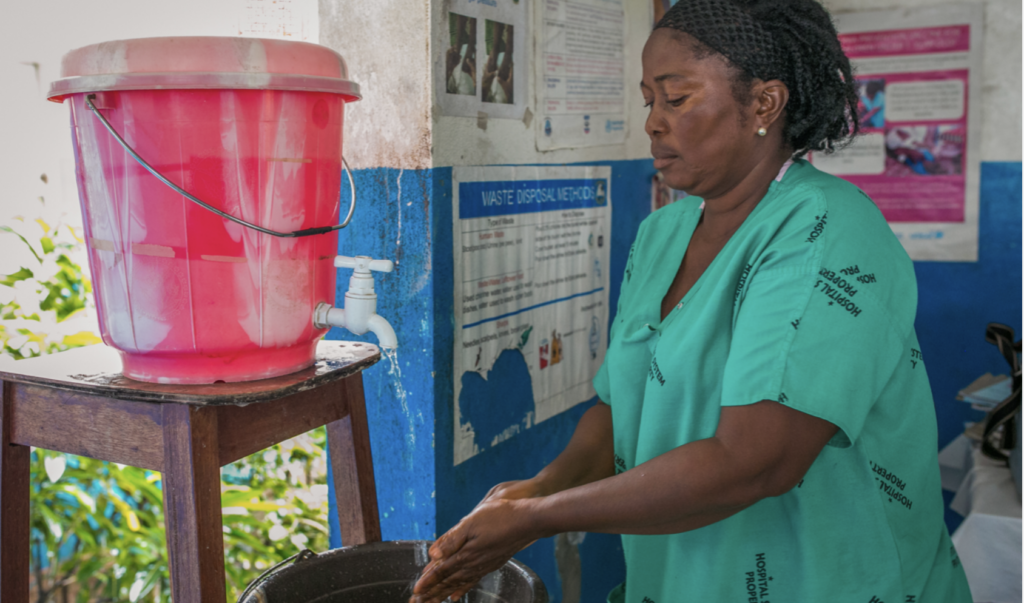
The Ghana Health Service (GHS) has highlighted inadequate Water, Sanitation and Hygiene (WASH) services as a significant obstacle to delivering high-quality healthcare, particularly in maternal and newborn care, in the Upper East Region of Ghana. Although all health facilities in the region have access to potable water either through the Ghana Water Company Limited or boreholes, the supply remains unreliable in some cases, potentially compromising infection prevention and control during childbirth, a time when stringent hygiene measures are vital.
During the Ghana Journalists Association (GJA) Regional Awards ceremony in Bolgatanga, Dr Braimah Baba Abubakari, the Upper East Regional Director of the GHS, emphasized that a health facility without adequate WASH resources cannot provide quality care. In 2025, the region recorded a skilled delivery rate of 78.86 percent but observed a concerning rise in institutional maternal mortality, increasing from 97.1 deaths per 100,000 live births in 2024 to 132.43 deaths per 100,000 live births in 2025.
Sepsis was identified as the fourth leading cause of maternal deaths, accounting for 10 percent of such fatalities in the region. Additionally, 4,440 cases of acute watery diarrhea were reported among children under five. The GHS has taken steps to expand Community-based Health Planning and Services (CHPS) compounds, train midwives and community health nurses, and enhance access to antenatal and skilled delivery services.
However, challenges such as prolonged dry seasons, seasonal water scarcity, malfunctioning boreholes, and insufficient maintenance continue to impact some communities and health facilities. The lack of multipurpose incinerators in less than 10 percent of health facilities has led many to resort to open burning or burying waste, which exacerbates sanitation issues.
Dr Abubakari called for enhanced collaboration among the GHS, the Regional Coordinating Council, District Assemblies, development partners, and non-governmental organizations to bolster WASH infrastructure and services. He stressed the media's role in bringing attention to WASH challenges and monitoring the implementation of interventions to ensure accountability, urging journalists to continue following up on these issues to verify whether promised WASH initiatives have been realized.
Written by urgent.news from MyJoyOnline Ghana's reporting — not their text. Machine-written — may contain errors; check the original before relying on it.

